30 US universities clear Pentagon research-security audit on foreign entity ties
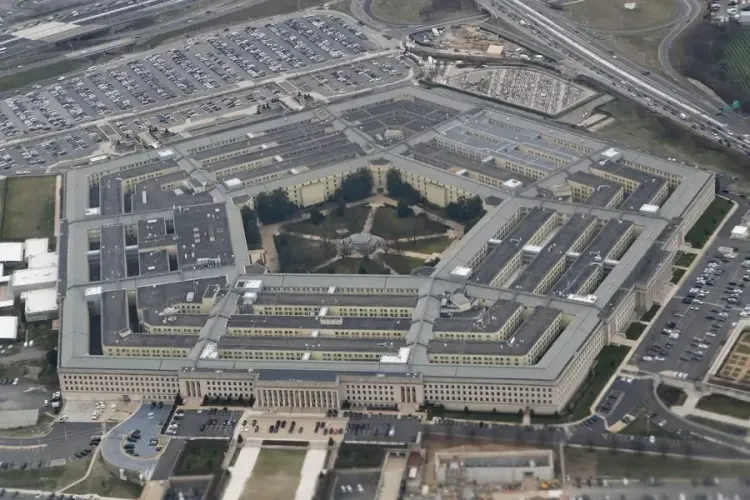
Synopsis
The Pentagon has confirmed that all 30 American universities in its inaugural research-security audit round have completed mitigation measures against foreign entity ties — a landmark compliance outcome that signals Washington's intent to harden its grip on military-funded academic research, even as it stops short of alleging criminal conduct or singling out any one country.
Key Takeaways
The Pentagon announced on 20 October 2026 that all 30 US universities in its first research-security audit round have completed required mitigation measures.
The audits targeted relationships with foreign entities listed under Section 1286 of the National Defense Authorization Act (NDAA) .
No finding of unlawful conduct was made; the review concerns compliance and institutional relationships , not criminal convictions.
Representative John Moolenaar , chairman of the House China Competition Committee, welcomed the review's outcome.
The Pentagon explicitly stated that Indian universities, researchers, or partnerships were not identified among the relationships flagged.
Mitigation steps can include ending research ties, strengthening screening, and improving oversight of international collaborations.
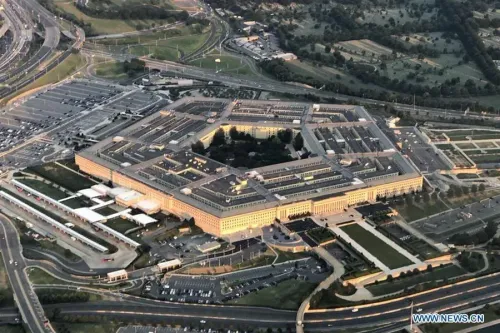
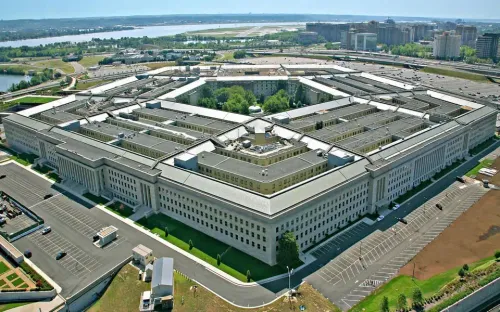
The US Department of Defense (Pentagon) announced on Monday, 20 October 2026 that all 30 American universities subjected to an initial round of federal research-security audits have completed measures to address identified relationships with foreign entities of concern. The review was aimed at preventing sensitive military-funded research and advanced technologies from benefiting countries considered national security risks.
What the Audit Covered
The reviews focused on academic research partnerships involving organisations listed under Section 1286 of the National Defense Authorization Act (NDAA) — a federal register of foreign entities deemed to present risks to federally supported research. The Pentagon said the 30 institutions had fully addressed the relationships flagged during the audits, describing the outcome as part of a broader effort to protect American research and technological capabilities.
Notably, the department clarified that the material reviewed did not establish that every identified relationship involved unlawful conduct, or that the universities had knowingly transferred restricted technology. The findings concern research-security compliance and institutional relationships, not criminal convictions.
Why the Pentagon Is Acting Now
American universities play a central role in federally funded research across artificial intelligence, advanced computing, semiconductors, aerospace, and engineering — fields with both civilian and military applications. The Pentagon's concern centres on the possibility that research supported by American taxpayers could be transferred to foreign organisations linked to military development or activities considered contrary to US national security interests.
This initiative reflects growing scrutiny in Washington over international research collaborations, particularly those with dual-use technology implications. US lawmakers have separately raised alarms over foreign influence in academic research. Representative John Moolenaar, chairman of the House Select Committee on Strategic Competition Between the United States and the Chinese Communist Party, welcomed the Pentagon's review in a statement issued on Monday, underlining the committee's push for stronger scrutiny of academic partnerships with Chinese institutions that have potential links to military research.
What Mitigation Looks Like
Corrective measures taken by the universities can include ending or modifying research relationships, strengthening internal screening procedures, and improving oversight of international collaborations. The review process is designed to help universities identify potentially problematic partnerships and take corrective action — not to prohibit cross-border scientific collaboration outright, which remains lawful under US law.
What the Findings Do Not Establish
The Pentagon's announcement was careful to note that the latest findings do not, by themselves, establish that every institution or foreign partner examined was connected to China. The announcement also explicitly stated that the findings do not establish that Indian universities, Indian researchers, or Indian academic partnerships were among the relationships identified for mitigation.
Implications for International Research Partnerships
For overseas researchers and institutions, the evolving compliance framework could influence due-diligence requirements, partnership screening, and access to federally supported research projects. The Defense Department supports university research through grants, contracts, and specialised programmes intended to advance military capabilities and maintain technological competitiveness. How American universities balance international scientific collaboration with expanding national security requirements remains an open — and increasingly consequential — question.
Point of View
But the harder story is structural: Washington is systematically rewriting the rules under which the world's most influential research universities operate. The NDAA Section 1286 list is a quiet but powerful instrument — institutions that ignore it risk losing federal funding, which underwrites the bulk of cutting-edge US research. The careful disclaimer that no criminal conduct was established suggests the government is building a compliance architecture first, and reserving enforcement for later. For non-US institutions and researchers, the message is unambiguous: the era of frictionless academic partnership with American universities is over, and due-diligence costs are shifting onto the foreign partner.
NationPress
20 Oct 2026
Frequently Asked Questions
What did the Pentagon announce about US university research security?
The Pentagon announced on 20 October 2026 that all 30 American universities subjected to its first round of research-security audits had completed measures to address identified ties with foreign entities of concern. The review was conducted under Section 1286 of the National Defense Authorization Act.
Which foreign countries are the audits focused on?
The audits targeted relationships with organisations on a federal list of foreign entities of concern under the NDAA. While Representative John Moolenaar's committee has specifically focused on Chinese institutions with potential military links, the Pentagon's announcement did not establish that every partner examined was connected to China, and explicitly stated Indian universities and researchers were not among those flagged.
Does the audit mean universities acted illegally?
No. The Pentagon clarified that the findings concern research-security compliance and institutional relationships, not criminal conduct. The department did not establish that every identified relationship involved unlawful activity or that universities knowingly transferred restricted technology.
What corrective actions have universities taken?
Mitigation measures can include ending or modifying research partnerships, strengthening internal screening procedures, and improving oversight of international collaborations. The specific steps taken by each of the 30 institutions were not publicly detailed in the announcement.
How does this affect international researchers and institutions?
For overseas researchers and institutions, the evolving framework could raise due-diligence requirements, affect partnership screening, and restrict access to federally funded US research projects. Cross-border scientific collaboration is not inherently prohibited under US law, but universities are now required to actively identify and address potentially problematic foreign partnerships.