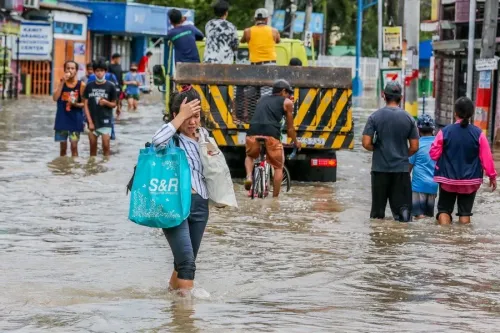
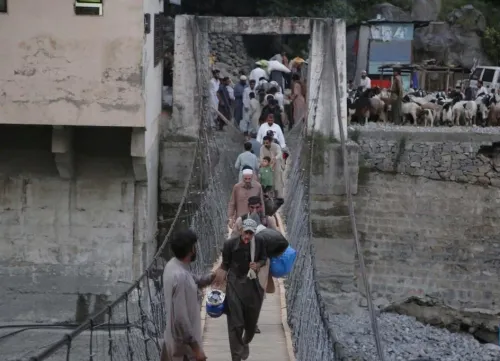
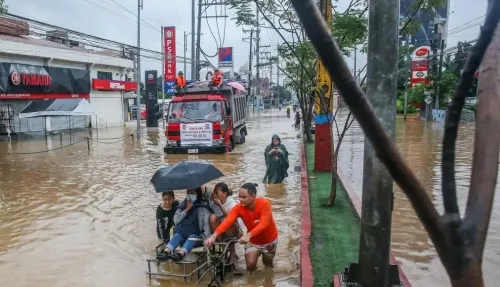
Philippines floods: Health alert for water-borne diseases, 26 dead
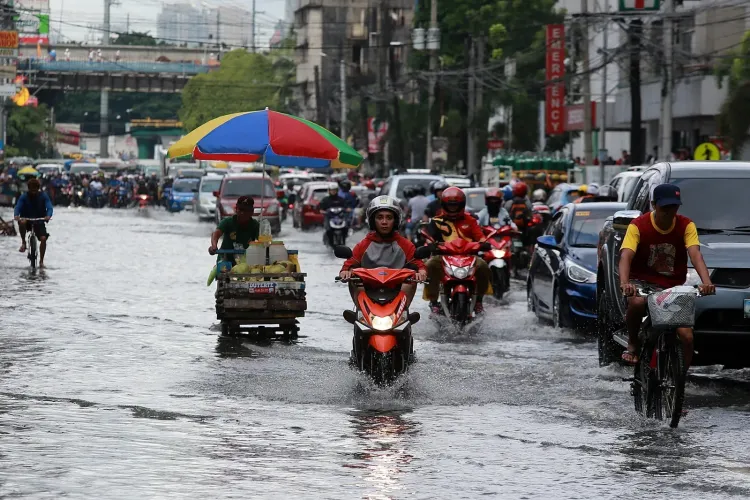
Synopsis
A triple crisis is unfolding in the Philippines: health authorities are racing to contain leptospirosis and dengue outbreaks in flood-hit Ilocos, power grids in Visayas are in the red with a 241 MW capacity shortfall, and the death toll from cyclones Luis and Maymay has reached 26. The compounding of a monsoon health emergency with a structural power deficit signals a system under serious strain.
Key Takeaways
The DOH Ilocos has issued a health alert warning of leptospirosis , dengue , and influenza risks following flooding in northwest Philippines as of 12 August .
26 weather-related fatalities — 25 civilians and one police officer — have been recorded as of Tuesday afternoon.
A red alert is in effect for the Visayas power grid, with available capacity at 2,153 MW against peak demand of 2,394 MW .
The NGCP reports six Visayas plants on forced outage this month, with over 20 others offline since 2021 .
The PNP has intensified recovery operations following cyclones Luis and Maymay and enhanced southwest monsoon rains.
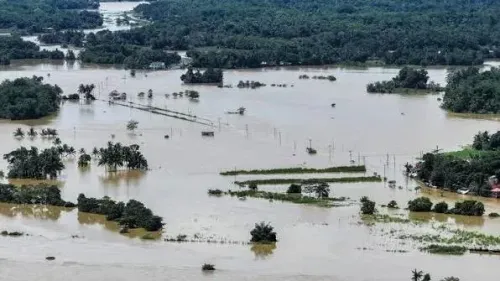
Philippine health authorities have issued a formal alert warning residents of the Ilocos region in northwest Philippines about rising water-borne disease risks following severe flooding triggered by enhanced southwest monsoon rains, as of Wednesday, 12 August. The warning comes amid a broader crisis that has claimed 26 weather-related lives and strained power grids across the archipelago.
Health Risks and Official Warnings
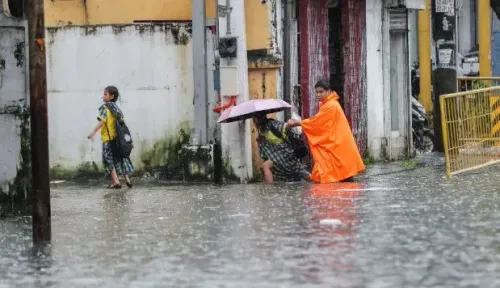
Dr Helen D. Tobias, Regional Director of the Department of Health (DOH) Ilocos region, cautioned residents against water-borne illnesses including influenza, leptospirosis, and dengue, which typically surge during the rainy season. She specifically highlighted leptospirosis, which can be contracted through contact with floodwater contaminated by animal urine. Residents wading through floods were advised to wash exposed body parts thoroughly with soap and clean water and to seek prompt medical attention if symptoms appear.
Power Grid Under Severe Strain
Red and yellow alerts were raised for power grids across central and southern Philippines on Wednesday as multiple power plants remained unavailable. In the Visayas islands, available capacity stood at approximately 2,153 megawatts (MW) against a projected peak demand of 2,394 MW — a deficit that triggered a red alert. According to the National Grid Corporation of the Philippines (NGCP), six Visayas plants are on forced outage this month alone, with more than 20 others offline since 2021.
In Mindanao, southern Philippines, nine power plants are on forced outage for August, 11 have been unavailable since 2024, and nine more are operating at derated capacities. Available capacity in the region is around 2,779 MW against a forecast peak demand of 2,689 MW, leaving a narrower buffer.
Death Toll and Police Recovery Operations
The Philippine National Police (PNP) reported 26 weather-related fatalities as of Tuesday afternoon — 25 civilians and one police officer — following the combined impact of tropical cyclones Luis and Maymay and the enhanced southwest monsoon. Police units in affected areas have been directed to maintain heightened visibility and coordinate closely with local governments as communities begin the recovery process.
PNP Chief General Jose Melencio Nartatez Jr. was quoted as saying: 'Our responsibility does not end with search and rescue operations. We will remain engaged in the recovery phase.'
Broader Context and What Comes Next
The Philippines is no stranger to monsoon-season health emergencies — leptospirosis outbreaks have historically spiked in flood-prone regions during the June-to-October rainy season. This year's crisis is compounded by a pre-existing power infrastructure deficit in Visayas, where plant outages dating back to 2021 have left the grid chronically under-resourced. Authorities are expected to maintain elevated health and security deployments as monsoon activity continues across northern and central regions.
Point of View
The annual leptospirosis cycle is predictable enough that a reactive health alert, rather than a pre-positioned public health response, reflects a preparedness gap. With 26 dead and the monsoon season far from over, the real question is whether this year's response breaks from the pattern of post-disaster scrambling that has characterised previous seasons.
NationPress
26 Sept 2026
Frequently Asked Questions
What water-borne diseases are Philippine health authorities warning about?
The DOH Ilocos Regional Office is warning residents about leptospirosis, dengue, and influenza, all of which spread more easily during flooding. Leptospirosis is of particular concern as it can be contracted through contact with floodwater contaminated by animal urine.
How many people have died due to the Philippines floods and cyclones?
The Philippine National Police reported 26 weather-related fatalities as of Tuesday afternoon, 12 August — 25 civilians and one police officer. The deaths are linked to the combined impact of tropical cyclones Luis and Maymay and enhanced southwest monsoon rains.
Why is there a power crisis in the Visayas region of the Philippines?
The Visayas power grid is on red alert because available capacity stands at around 2,153 MW against a projected peak demand of 2,394 MW. Six plants are on forced outage this month alone, and more than 20 others have been offline since 2021, according to the NGCP.
What precautions are being advised for flood-affected residents in the Philippines?
DOH Regional Director Dr Helen D. Tobias has advised residents who wade through floodwater to wash exposed body parts with soap and clean water immediately and to seek medical attention if they develop symptoms. Residents should also take precautions against mosquito bites to reduce dengue risk.
What is the PNP doing in the aftermath of the floods and cyclones?
The Philippine National Police has intensified post-disaster recovery operations, directing units in affected areas to maintain heightened visibility and work with local governments. PNP Chief General Jose Melencio Nartatez Jr. stated the force would remain engaged beyond search and rescue into the full recovery phase.