PIMS Islamabad fire: 14 babies died in ward with no alarms or sprinklers, inquiry finds
Synopsis
An official Pakistani inquiry has found that the neonatal ward where 14 babies died in an August fire at PIMS Islamabad had no fire alarms, smoke detectors, or sprinklers — and that staff had received no evacuation training. The report calls it a 'systemic and institutional failure,' raising urgent questions about fire-safety compliance across Pakistan's public hospital network.
Key Takeaways
14 babies died in a fire at the neonatal unit of PIMS, Islamabad on 26 August .
An official inquiry found no fire alarms, smoke detectors, or sprinkler systems were operational in the ward.
Staff had received no training on infant evacuation or oxygen supply isolation during emergencies.
CCTV shows the fire situation was apparent from 6:38 am ; rescuers reportedly found ward doors locked and had to enter through windows.
The inquiry attributed the likely cause to an overheating electricity cable in an air conditioner, though the exact electrical defect is unconfirmed.
The report described the event as a 'systemic and institutional failure' at the hospital level.
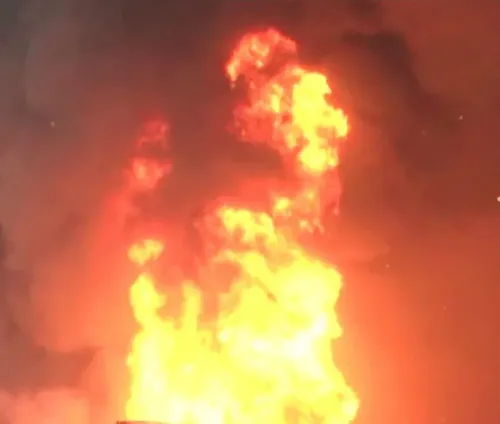
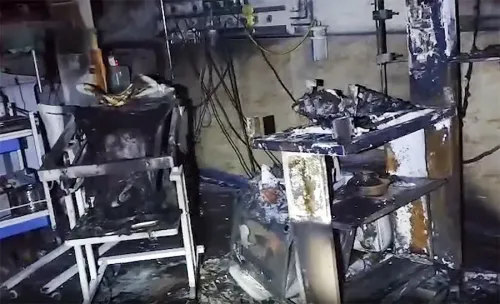
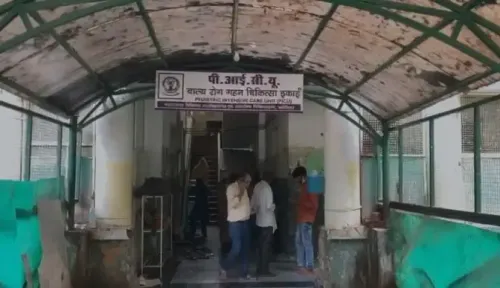
The neonatal unit at Pakistan Institute of Medical Sciences (PIMS) in Islamabad, where 14 babies perished in a fire on 26 August 2026, had no functional fire alarms, smoke detection systems, or sprinkler infrastructure at the time of the blaze, according to an official inquiry report. The findings point to what investigators described as a 'systemic and institutional failure' — one that turned an electrical spark into a mass-casualty tragedy.
What the Inquiry Found
The investigative committee, led by a retired senior civil servant, concluded that the fire most likely originated from an overheating electricity supply cable connected to an air conditioner in the ward — consistent with the initial assessment offered by Pakistani health authorities. However, the exact cause of the electrical defect remains undetermined.
Critically, the report found no evidence that ward staff had received training on evacuating infants in an emergency, or on isolating the oxygen supply during a fire. Several babies in the unit were on oxygen support at the time; the report noted that oxygen may have intensified the blaze, though investigators found no proof it created a separate pathway for the fire to spread.
How the Fire Unfolded
According to hospital CCTV footage, the first sign of trouble emerged at 6:38 am, when a nurse was seen running from the ward to seek assistance, returning with a security guard within 20 seconds. A second nurse subsequently rushed in and was later seen carrying out one infant — the sole survivor among those in the most affected section of the ward.
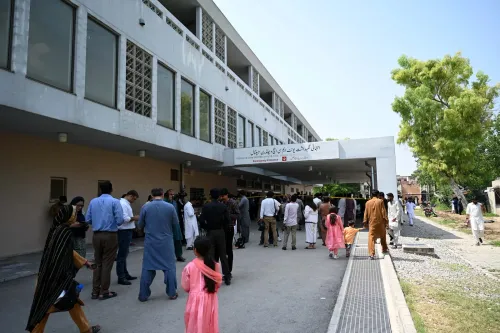
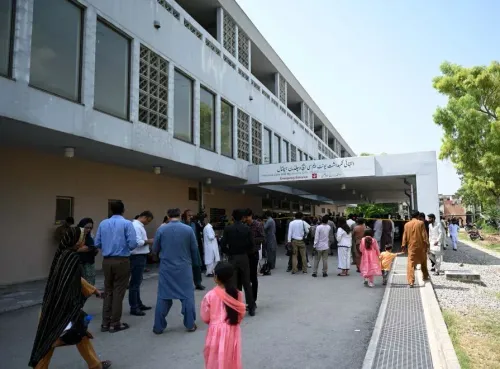
Many people present in the hospital that morning, including Abdul Ghafoor — whose mother was a patient in a nearby ward — learned of the fire only through panicked shouts from others on the premises. The hospital itself acknowledged that the blaze spread 'within seconds' due to oxygen points at each incubator.
Access Failures During the Rescue
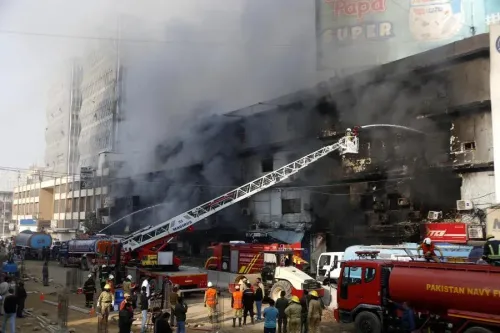
An anonymous firefighter involved in the response told reports that entering the PIMS facility was 'extremely difficult.' Rescue workers reportedly found ward doors locked and were forced to gain access through windows. Families of the deceased had earlier alleged that emergency teams arrived late — a claim reported by Pakistani daily Dawn at the time.
This access failure, compounded by the absence of any automated fire-suppression system, meant that by the time responders reached the neonatal unit, the fire had already caused irreversible damage.
Institutional Gaps in Focus
The inquiry's framing of events as a 'systemic and institutional failure' shifts accountability beyond individual negligence to the hospital's broader safety infrastructure. The absence of basic fire-safety equipment — smoke detectors, alarms, sprinklers — in a unit housing critically ill newborns on oxygen support represents a compliance failure at multiple levels of hospital administration.
Pakistan's Health Minister had, in the immediate aftermath, attributed the fire to an air-conditioner spark, but had not addressed the absence of safety systems. The inquiry's findings now place the institutional response under renewed scrutiny.
What Comes Next
The publication of the inquiry report is likely to intensify pressure on Pakistani health authorities to mandate fire-safety audits across public hospitals, particularly those housing vulnerable patients. No official statement detailing accountability measures or disciplinary action against hospital management had been issued as of the time of this report.
Point of View
But because it confirms what was entirely preventable. A neonatal unit housing oxygen-dependent newborns with no smoke alarms, no sprinklers, no evacuation drills, and locked emergency doors is not a freak accident waiting to happen — it is a system that was never designed to protect its most vulnerable patients. The 'systemic and institutional failure' framing, while accurate, risks diffusing accountability so broadly that no individual or body is held responsible. Pakistan's broader public health infrastructure has repeatedly faced scrutiny over safety standards; without mandatory audits and enforceable penalties following this inquiry, the report risks becoming another document that catalogues a catastrophe without preventing the next one.
NationPress
17 Sept 2026
Frequently Asked Questions
What caused the fire at PIMS Islamabad that killed 14 babies?
The official inquiry found the most probable cause was an overheating electricity supply cable connected to an air conditioner in the neonatal ward, consistent with what Pakistani health authorities stated at the time. However, the exact electrical defect has not been definitively determined.
Why did the PIMS fire result in so many deaths?
The inquiry identified several compounding failures: no fire alarms, smoke detectors, or sprinklers were functional; staff had no emergency evacuation or oxygen-isolation training; and rescuers found ward doors locked, forcing entry through windows. These factors meant the fire spread unchecked before a meaningful response was possible.
When did the PIMS hospital fire occur?
The fire broke out at 6:38 am on 26 August at the Mother and Child Health (MCH) ward of Pakistan Institute of Medical Sciences in Islamabad, killing 14 newborns. One infant was rescued alive by a nurse.
What did the official inquiry conclude about PIMS hospital management?
The investigative committee, led by a retired senior civil servant, described the incident as a 'systemic and institutional failure.' It found no evidence of staff training for emergencies and confirmed the absence of basic fire-suppression infrastructure in the neonatal unit.
Were families of the deceased given any explanation by authorities?
Families of the 14 babies had alleged that rescue teams arrived late. Pakistan's Health Minister attributed the fire to an air-conditioner spark but did not address the absence of fire-safety systems at the time. The inquiry report has since confirmed those systemic gaps, though no accountability measures had been publicly announced as of the latest reports.