How is PM Modi Inspiring Malaysian Businesses to Harness Opportunities in India?
Synopsis
Prime Minister Narendra Modi's recent engagement with Malaysian business leaders highlights the blossoming B2B relationships and the immense potential for investment in India. With a focus on sectors like renewable energy and AI, Modi encourages Malaysian businesses to explore India's growth story, fostering deeper trade ties.
Key Takeaways
Prime Minister Modi encourages Malaysian businesses to invest in India.
Focus on sectors like renewable energy and AI for future collaboration.
Strengthening B2B ties is essential for mutual growth.
Joint ventures can enhance business presence in India.
Cooperation against terrorism remains a priority for both nations.
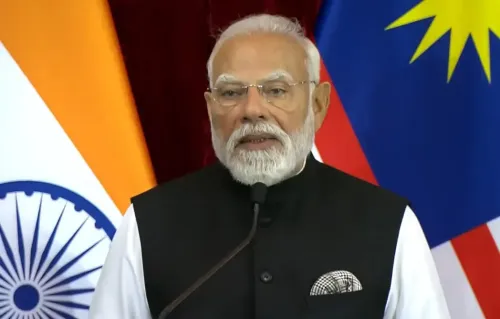
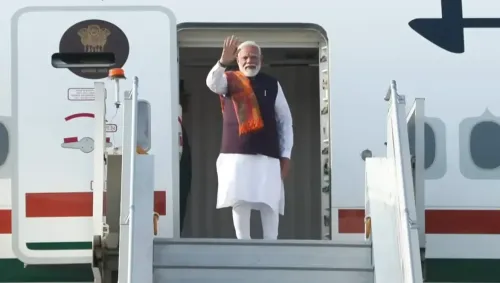
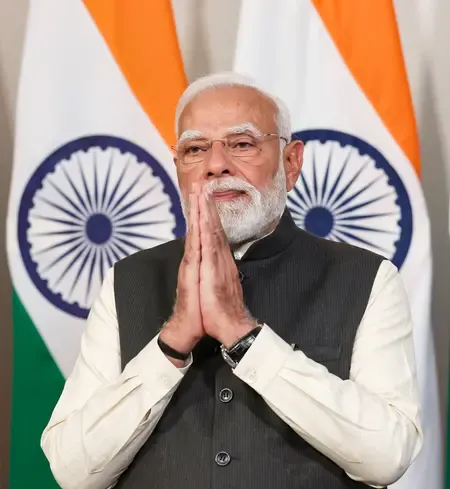
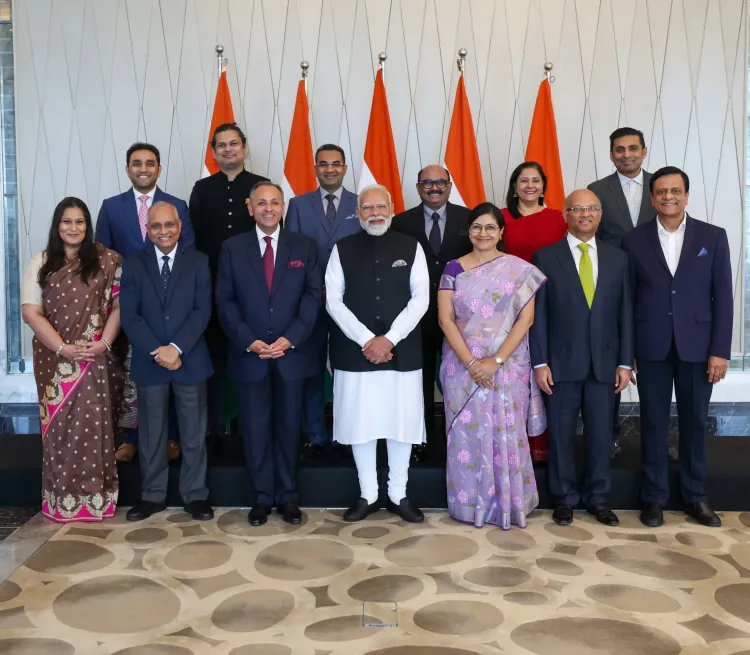
Kuala Lumpur, Feb 8 (NationPress) Prime Minister Narendra Modi engaged with four prominent business leaders from Malaysia and acknowledged the increasing business-to-business (B2B) ties between the two nations, highlighting the significant interest from Malaysian firms in the Indian growth narrative, according to an official statement released on Sunday.
Additionally, the Prime Minister urged Malaysian enterprises to tap into the vast opportunities available in India, focusing on key sectors such as infrastructure, renewable energy, digital technology, semiconductors, artificial intelligence, and healthcare.
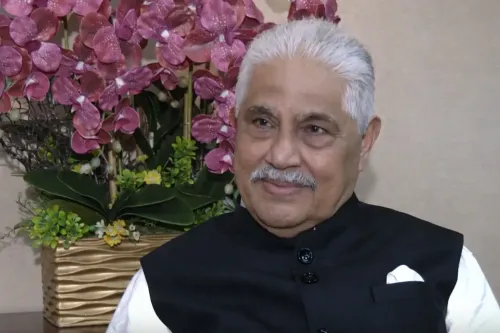
As per the official communiqué, PM Modi met with PETRONAS President and Group CEO Tan Sri Tengku Muhammad Taufik, Berjaya Corporation Berhad Founder Tan Sri Dato' Seri Vincent Tan Chee Yioun, Khazanah Nasional Berhad Managing Director Dato' Amirul Feisal Wan Zahir, and Phison Electronics Founder Dato Pua Khein Seng.
Furthermore, PM Modi highlighted the various initiatives and reforms implemented in India over recent years aimed at enhancing the ease of doing business and fostering a stable, efficient, and predictable business environment.
The Prime Minister praised the organization of the 10th India-Malaysia CEO Forum in Kuala Lumpur on Saturday and expressed hope that its discussions would bolster India-Malaysia trade and investment relations.
"The industry leaders commended the reforms initiated by the Government of India towards achieving a Viksit Bharat, expressing strong confidence in India’s growth trajectory," the statement noted.
They expressed a keen desire to enhance their business footprint in India by broadening their investment portfolios and exploring joint ventures with Indian partners.
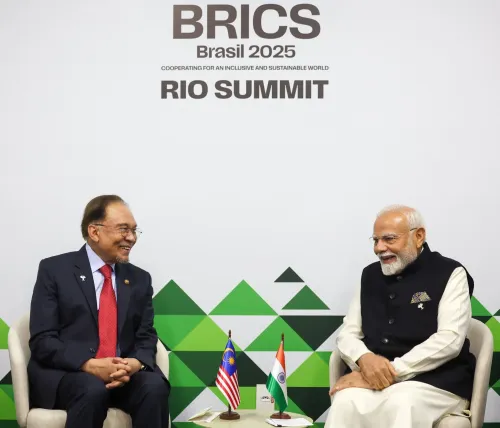
Earlier, PM Modi, along with his Malaysian counterpart Anwar Ibrahim, condemned terrorism in all its forms, including cross-border terrorism. The two leaders called for a zero-tolerance approach to terrorism and emphasized the need for collaborative international efforts to combat this issue sustainably.
They agreed to address radicalization and violent extremism, combat the financing of terrorism, and prevent the misuse of emerging technologies for terrorist activities through enhanced cooperation in information exchange, best practices, and capacity building.
Point of View
The engagement between PM Modi and Malaysian industry leaders signifies a strategic move to strengthen economic ties. This collaborative approach not only boosts India's global standing but also opens new avenues for Malaysian businesses, showcasing a commitment to mutual growth and cooperation.
NationPress
25 Sept 2026
Frequently Asked Questions
What sectors did PM Modi encourage Malaysian businesses to invest in?
PM Modi encouraged Malaysian businesses to explore opportunities in infrastructure, renewable energy, digital technology, semiconductors, artificial intelligence, and healthcare.
Who did PM Modi meet during his interaction with Malaysian business leaders?
PM Modi met with PETRONAS President Tan Sri Tengku Muhammad Taufik, Berjaya Corporation Berhad Founder Tan Sri Dato' Seri Vincent Tan Chee Yioun, Khazanah Nasional Berhad Managing Director Dato' Amirul Feisal Wan Zahir, and Phison Electronics Founder Dato Pua Khein Seng.
What was the outcome of the 10th India-Malaysia CEO Forum?
PM Modi expressed optimism that the discussions at the 10th India-Malaysia CEO Forum would enhance trade and investment ties between the two countries.