5 injured in multi-vehicle crash on Poland's A8 motorway near Wroclaw

Synopsis
A five-car pileup on the A8 motorway near Wroclaw left five people hospitalised on Friday afternoon, snarling traffic on one of southwest Poland's busiest bypass routes for hours. Authorities suspect adverse weather and high speeds but have yet to confirm a cause — the latest in a series of multi-vehicle crashes on this stretch.
Key Takeaways
Five people were injured in a five-car collision on the A8 motorway bypass near Wroclaw on 26 June .
The crash occurred on the Warsaw-bound carriageway between the Wroclaw West and Wroclaw Airport interchanges.
All injured were taken to nearby hospitals; injury severity has not been officially disclosed.
Traffic was restored by 7 pm local time (1700 GMT) , though residual congestion was expected.
Preliminary reports point to adverse weather and high speeds as possible factors; an official investigation is underway.
The A8 has seen multiple multi-vehicle accidents in recent years, prompting stricter speed enforcement on the route.
Five people were injured on Friday, 26 June after a five-car pileup on the A8 motorway bypass near Wroclaw in southwest Poland, according to local authorities cited by Polish media. The collision disrupted traffic on one of the country's busiest urban bypass routes for several hours.
How the Accident Unfolded
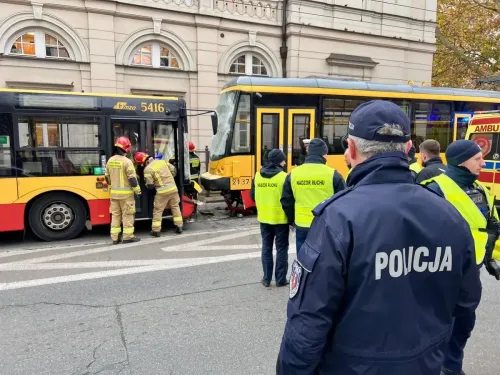
The crash involved five passenger vehicles and occurred on Friday afternoon on the carriageway heading towards Warsaw, between the Wroclaw West and Wroclaw Airport interchanges, according to the General Directorate for National Roads and Motorways. Local police and emergency services were dispatched promptly after the collision was reported. All five injured persons were transported to nearby hospitals; the severity of their injuries has not been disclosed by medical officials.
Traffic Impact and Road Clearance
By 7 pm local time (1700 GMT), traffic had been restored on the affected carriageway. However, residual congestion was expected to persist as vehicles that had accumulated during the emergency response and subsequent investigation gradually cleared. The General Directorate for National Roads and Motorways advised motorists to exercise caution in the area and consider alternative routes while conditions normalised.
Possible Causes Under Investigation
Authorities have launched a formal investigation into the cause of the collision. Preliminary reports suggest that adverse weather conditions and high speeds may have been contributing factors, though officials have not confirmed a specific cause. The incident remains under active investigation.
A Stretch with a History of Accidents
The A8 motorway serves as a critical bypass around Wroclaw, one of Poland's largest cities, linking it to the national road network. The segment where Friday's crash occurred is known for heavy traffic volumes, particularly during peak hours and holiday travel periods. Notably, the route has seen several multi-vehicle accidents in recent years, prompting authorities to introduce stricter speed enforcement and improved road signage along key stretches. This pattern raises broader questions about infrastructure capacity and driver behaviour on high-density urban bypasses.
Point of View
The conversation needs to move from reactive enforcement to structural redesign of the most dangerous interchanges.
NationPress
27 Jun 2026
Frequently Asked Questions
What happened on Poland's A8 motorway near Wroclaw on 26 June?
A five-car collision on the A8 motorway bypass near Wroclaw on Friday, 26 June injured five people. The crash occurred on the Warsaw-bound carriageway between the Wroclaw West and Wroclaw Airport interchanges, according to the General Directorate for National Roads and Motorways.
How serious were the injuries in the Wroclaw motorway crash?
Five people were injured and transported to nearby hospitals for treatment. Medical officials have not disclosed the extent of their injuries as of the latest available reports.
What caused the A8 motorway accident near Wroclaw?
Authorities have not confirmed a specific cause. Preliminary reports suggest adverse weather conditions and high speeds may have been contributing factors, and a formal investigation is ongoing.
When was traffic restored on the A8 after the Wroclaw crash?
Traffic on the affected carriageway was restored by 7 pm local time (1700 GMT) on Friday. Residual congestion was expected to take additional time to fully clear due to vehicle build-up during the emergency response.
Is the A8 motorway near Wroclaw prone to accidents?
Yes, according to reports, the A8 motorway has seen several multi-vehicle accidents in recent years. Authorities have responded by implementing stricter speed enforcement and improved road signage along key stretches of the route.