Portugal activates EU Civil Protection Mechanism amid extreme heat, wildfire risk
Synopsis
Portugal has taken the rare step of activating both the EU Civil Protection Mechanism and bilateral fire agreements with Spain and Morocco — before national capacity is exhausted. Meanwhile, a Catalonia wildfire has already burned 2,300 hectares and displaced 10,000 people, with arson suspected. The Iberian Peninsula is bracing for its most dangerous fire conditions of the year.
Key Takeaways
Portugal activated the European Civil Protection Mechanism and bilateral agreements with Spain and Morocco on Friday as a precautionary measure.
12 of Portugal's 18 mainland districts are under red alert due to extreme heat.
A wildfire in Catalonia, Spain burned approximately 2,300 hectares and forced nearly 10,000 residents in Girona province to evacuate or shelter in place.
More than 400 firefighters , 200 soldiers , and 60 military vehicles have been deployed to tackle the Catalonia blaze.
A worker has been detained on suspicion of arson; preliminary findings suggest machinery used during roadwork may have sparked the fire.
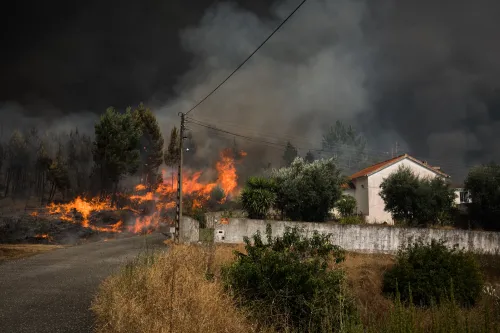
Portuguese Prime Minister Luis Montenegro on Friday announced that Portugal has activated the European Civil Protection Mechanism and bilateral cooperation agreements with Spain and Morocco, as an extreme heat wave drives severe wildfire risk across the country. The move is precautionary, with 12 of Portugal's 18 mainland districts currently under red alert.
What Portugal Has Activated and Why
'We decided, at this point, to activate the European Civil Protection Mechanism and also the bilateral agreements with Spain and Morocco,' Montenegro said, emphasising that national firefighting capacity had not yet been exhausted. The activation, he clarified, was intended to prevent the redeployment of assets between regions amid a 'significant deterioration in rural fire risk.'
The European Civil Protection Mechanism allows EU member states and participating countries to request international assistance when national resources are insufficient, or to preventively reinforce response capacity before a crisis escalates. Virtually the entire continental territory of Portugal is currently under elevated wildfire risk, according to reports.
Catalonia Wildfire: 2,300 Hectares Burned, Thousands Evacuated
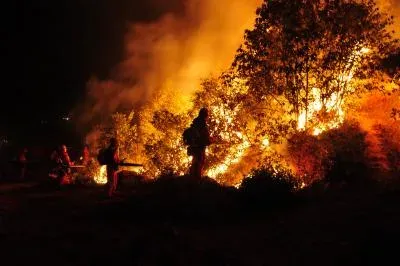
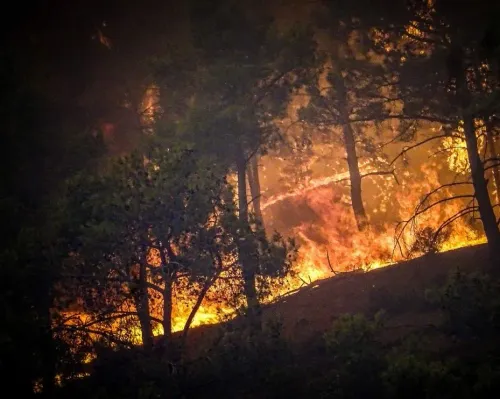
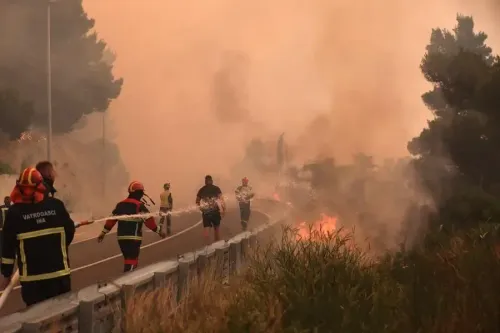
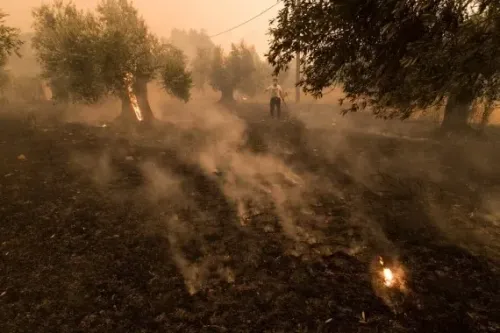
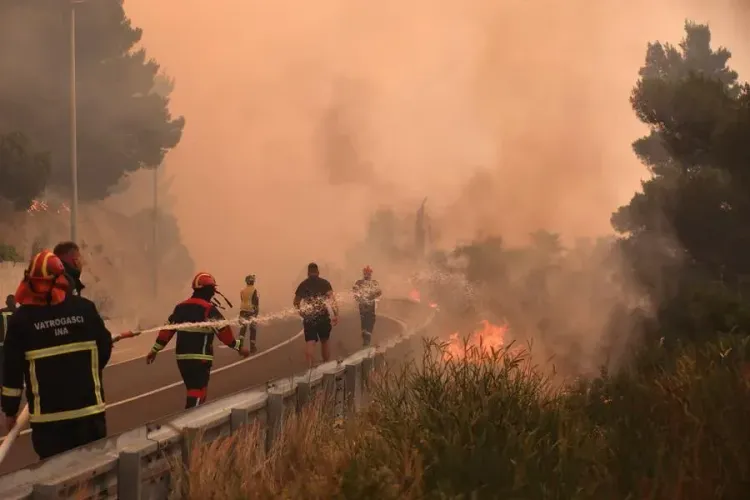
Simultaneously, a large wildfire broke out Friday evening in Spain's northeastern region of Catalonia, burning approximately 2,300 hectares and remaining out of control as of the latest reports. Nearly 10,000 residents across multiple municipalities in Girona province have been evacuated or ordered to shelter in place, with several roads temporarily closed. All residents have been reported safe.
Strong winds hampered firefighting efforts and triggered secondary blazes, causing the fire to spread rapidly into a nearby nature reserve. Local fire services deployed more than 400 firefighters, alongside multiple helicopters and aircraft. Spain's Military Emergency Unit reinforced the response with 200 soldiers and 60 vehicles.
Arson Suspected: Worker Detained in Girona
Ferran Garcia, head of firefighting operations in the Girona region, said the fire may have grown beyond firefighters' capacity to extinguish, adding that the priority has shifted to containment and minimising damage. Spanish media, citing local police, reported that a worker has been detained on suspicion of arson. Preliminary investigations suggest the fire may have been sparked by machinery used during roadwork, though the case remains under investigation.
Regional Context and What Comes Next
This comes amid a broader pattern of intensifying summer wildfires across the Iberian Peninsula, with extreme heat events increasingly compressing the window for effective preventive action. The activation of bilateral agreements with Morocco — a non-EU partner — is notably rare and signals the scale of concern in Lisbon. As temperatures remain elevated across southern Europe, authorities are expected to keep cross-border cooperation mechanisms on standby through the coming days.
Point of View
The Catalonia blaze — potentially arson-triggered — exposes how quickly a single ignition point can overwhelm even well-resourced regional fire services when wind and heat align. Southern Europe's annual wildfire season is no longer a seasonal inconvenience; it is a structural emergency that is outpacing the coordination frameworks designed to contain it.
NationPress
4 Jul 2026
Frequently Asked Questions
Why has Portugal activated the EU Civil Protection Mechanism?
Portugal activated the mechanism as a precautionary measure in response to an extreme heat wave placing 12 of its 18 mainland districts under red alert and driving severe wildfire risk. Prime Minister Luis Montenegro stressed that national firefighting capacity had not yet been exhausted but that the activation was intended to prevent asset redeployment between regions.
What is the European Civil Protection Mechanism?
It is a framework that allows EU member states and participating countries to request or offer international disaster-response assistance. Countries can invoke it when national resources are insufficient or to preventively reinforce capacity before a crisis escalates.
How serious is the Catalonia wildfire?
The wildfire in the Girona province of Catalonia has burned approximately 2,300 hectares and remains out of control, according to reports. Nearly 10,000 residents have been evacuated or ordered to shelter in place, and Spain's Military Emergency Unit has deployed 200 soldiers and 60 vehicles to support over 400 firefighters already on the ground.
Is arson suspected in the Catalonia fire?
Yes, Spanish media citing local police reported that a worker has been detained on suspicion of arson. Preliminary investigations suggest the fire may have been ignited by machinery used during roadwork, but the case remains under investigation.
Why has Portugal also activated agreements with Morocco?
Portugal activated bilateral cooperation agreements with both Spain and Morocco to bolster cross-border firefighting capacity. The inclusion of Morocco — a non-EU country — is notably rare and reflects the scale of the perceived threat across the broader Iberian and North African fire corridor.