Portugal declares state of alert as extreme heat, wildfire risk surge
Synopsis
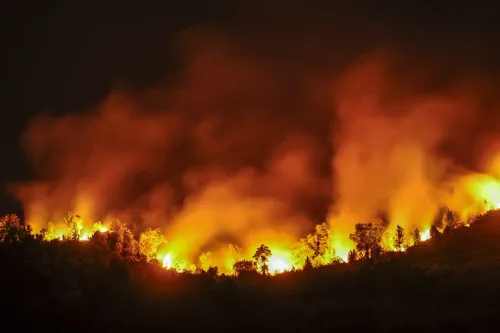
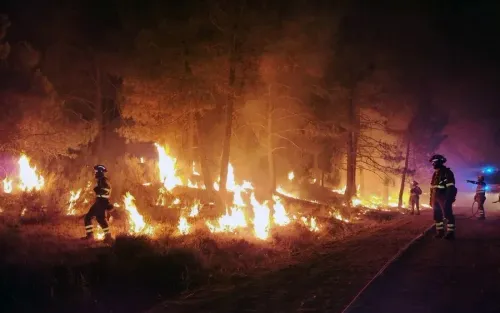
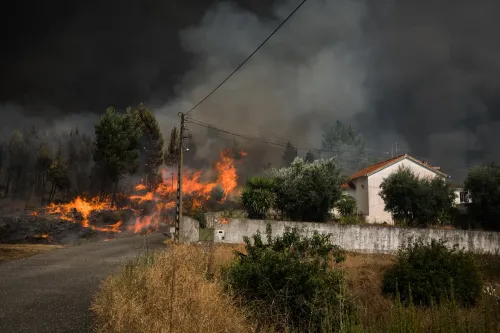
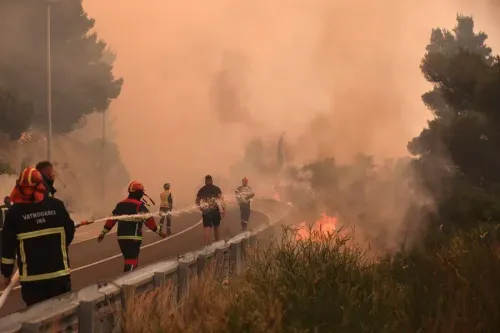
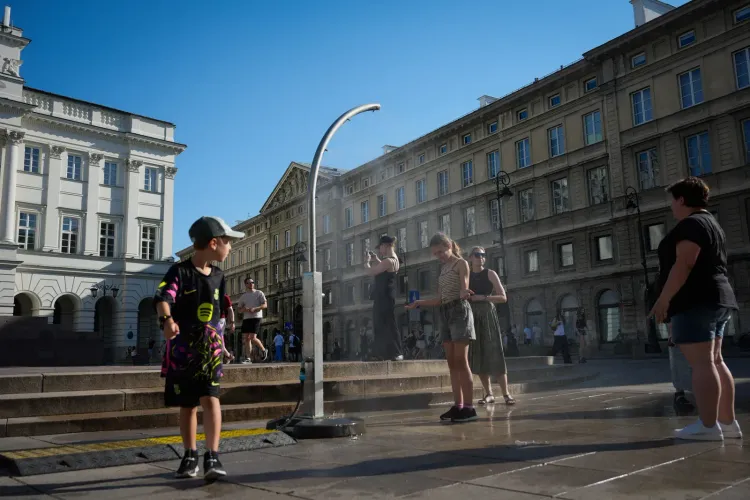
Portugal has triggered a nationwide state of alert as an extreme heatwave, forecast to last through Monday, pushes wildfire risk to maximum levels across virtually the entire mainland. With 12 of 18 districts under red alert and machinery bans already in force, the move comes as a new WMO report confirms Europe is warming twice as fast as the global average — making this not a one-off crisis but a recurring pattern.
Key Takeaways
Portugal declared a nationwide state of alert effective Friday, 4 July 2025 , lasting through at least Monday, 7 July .
Interior Minister Luís Neves announced the measure after a CIPO emergency meeting at the Leiria Fire Brigade .
12 of 18 mainland districts are under red alert — the highest warning tier — due to forecast of 'extremely high temperatures.' Machinery use in forest areas, metal-blade brush-cutters in rural zones, and fireworks are all prohibited under emergency rules.
The WMO and Copernicus report released Wednesday found Europe has warmed twice as fast as the global average since 1980 .
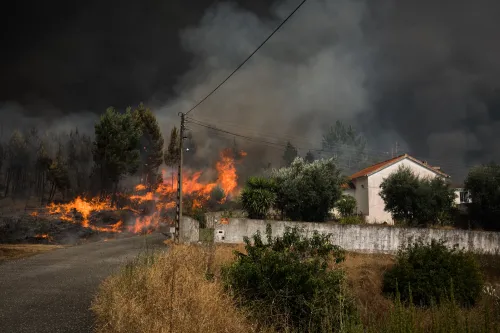
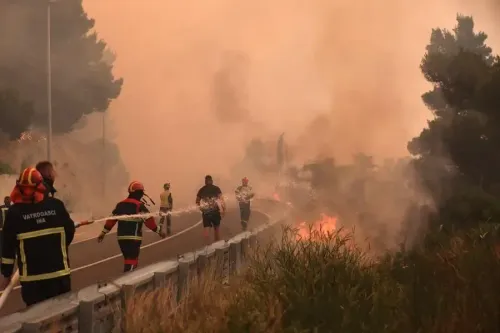
The Portuguese government declared a nationwide state of alert effective Friday, 4 July 2025, as an extreme heatwave is forecast to grip the country through at least Monday, bringing with it a sharply elevated risk of wildfires. The announcement follows an emergency review and triggers a set of exceptional legislative measures across the mainland.
What the State of Alert Means
Interior Minister Luís Neves made the declaration after a high-level meeting of the Integrated Prevention and Operations Command (CIPO) held at the Leiria Fire Brigade. He warned of a 'very significant deterioration in weather conditions' in the days ahead.
'For major emergencies, the government will issue a state of alert, which involves exceptional measures for extraordinary and difficult circumstances and also triggers emergency legislation,' Neves said, urging all citizens to cooperate.
Emergency Restrictions on Forest and Rural Activity
Under the emergency framework, all work in forest areas involving machinery of any kind is prohibited, except for operations directly related to combating rural wildfires. Brush-cutting equipment fitted with metal blades or discs is banned across other rural zones. The use of fireworks has also been prohibited for the duration of the alert period.
Red Alert Across 12 Districts
According to the Portuguese Institute of the Sea and Atmosphere (IPMA), 12 of the 18 districts on Portugal's mainland have been placed under red alert — the highest tier on a three-level warning scale — from Thursday through at least Saturday, owing to forecasts of 'extremely high temperatures.' The remaining six districts are under elevated warning levels, meaning virtually the entire mainland faces maximum or very high wildfire risk.
Europe's Accelerating Climate Crisis
The alert arrives against a backdrop of alarming continent-wide data. The EU-funded Copernicus Climate Change Service and the World Meteorological Organization (WMO) released the European State of the Climate Report 2025 on Wednesday, documenting record or near-record climate extremes across Europe in 2025 — including intensifying heatwaves, wildfires, marine heat events, and accelerating ice loss.
'Since 1980, Europe has been warming twice as fast as the global average, making it the fastest warming continent on Earth,' said Celeste Saulo, Secretary-General of the WMO, at the report's presentation. The findings underscore that climate change is actively reshaping ecosystems, economies, and public health across the continent.
What Comes Next
Authorities are urging citizens and businesses to comply with all restrictions and monitor official advisories as conditions evolve. Portugal has experienced some of its most destructive wildfire seasons in recent years, and officials say early preventive action is critical to avoiding a repeat. The state of alert will remain in force at minimum through Monday, 7 July 2025, with the possibility of extension depending on weather developments.
Point of View
But it is also a symptom of a structural failure. Europe's fastest-warming-continent status is no longer a projection — it is a documented, accelerating reality, and southern European nations like Portugal are absorbing the sharpest edge of that curve. The recurring cycle of emergency declarations, machinery bans, and post-fire inquiries points to a policy gap: reactive crisis management is outpacing proactive forest and land management reform. Until fire-prevention infrastructure and climate adaptation investment match the scale of the threat, these alerts will keep coming — and arriving earlier each year.
NationPress
1 Oct 2026
Frequently Asked Questions
What is Portugal's state of alert and what does it involve?
Portugal's state of alert is a formal emergency declaration that triggers exceptional legislative measures for extraordinary circumstances. It prohibits machinery use in forest areas (except for firefighting), bans metal-blade brush-cutters in rural zones, and forbids fireworks, among other restrictions.
How long will the state of alert remain in effect?
The state of alert took effect on Friday, 4 July 2025, and is expected to remain in force through at least Monday, 7 July 2025. It may be extended depending on how weather conditions evolve.
Which parts of Portugal are under red alert?
According to the IPMA, 12 of Portugal's 18 mainland districts are under red alert — the highest of three warning tiers — from Thursday through at least Saturday due to forecast of extremely high temperatures. The remaining six districts are also under elevated warning levels.
Why is wildfire risk so high during this heatwave?
Extreme heat dries out vegetation rapidly, turning forests and rural areas into highly combustible environments. Portugal has experienced some of its most destructive wildfire seasons in recent years, and the current forecast of record-level temperatures across virtually the entire mainland has raised risk to maximum levels.
How does this heatwave connect to broader climate trends in Europe?
A joint report by the EU-funded Copernicus Climate Change Service and the WMO, released on Wednesday, found that Europe suffered record or near-record climate extremes in 2025. WMO Secretary-General Celeste Saulo noted that Europe has warmed twice as fast as the global average since 1980, making it the fastest-warming continent on Earth.