Pakistan declares emergency in Khyber Pakhtunkhwa, PTI protests erupt
Synopsis
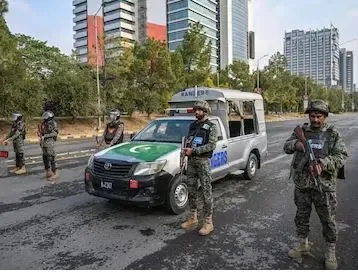
Pakistan's federal government has suspended the PTI-led government of Khyber Pakhtunkhwa, with President Zardari signing off on emergency rule on the advice of PM Shehbaz Sharif. Large protests erupted immediately, KP Chief Minister Suhail Afridi had warned of exactly this backlash hours earlier, and former US envoy Zalmay Khalilzad cautioned that the move could become yet another source of instability in an already crisis-ridden Pakistan.
Key Takeaways
Pakistan's federal government declared a state of emergency in Khyber Pakhtunkhwa on 11 October 2026 , suspending the PTI -led provincial government.
President Asif Ali Zardari signed the declaration on the advice of Prime Minister Shehbaz Sharif following a cabinet decision.
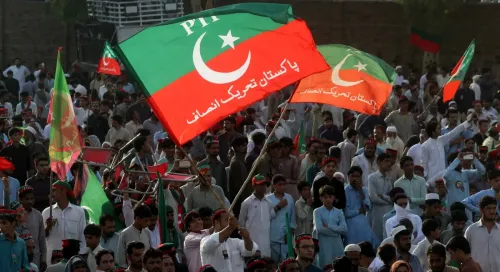
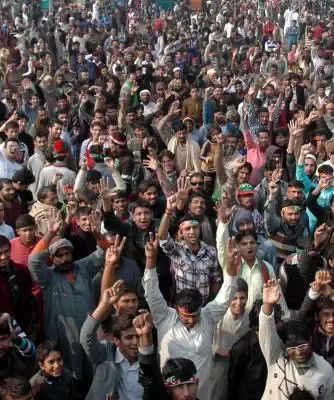
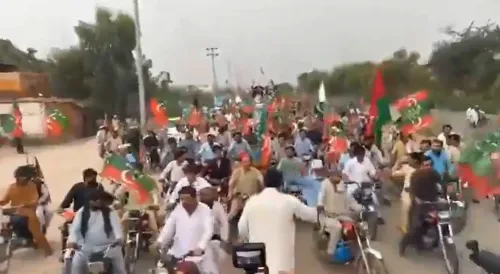
Large protests erupted immediately, with crowds marching through the Bara market area, vowing to resist Governor's Rule.
KP Chief Minister Suhail Afridi had warned hours earlier that such a move would trigger a strong public reaction and a march towards Peshawar .
Former US envoy Zalmay Khalilzad warned on X that the suspension 'could become another source of instability and violence in Pakistan.' Imran Khan has been imprisoned since 2023 ; PTI described the federal intervention as an attack on its electoral mandate.
Pakistan's federal government has declared a state of emergency in Khyber Pakhtunkhwa (KP) province on Sunday, 11 October 2026, suspending the elected provincial government led by jailed former Prime Minister Imran Khan's Pakistan Tehreek-e-Insaf (PTI) party. Large crowds took to the streets across the province in immediate defiance, with protesters marching through the Bara market area and vowing to resist what they described as an unlawful federal takeover.
How the Emergency Was Declared
President Asif Ali Zardari signed the emergency declaration after approving the federal government's recommendation, which came following a cabinet decision and formal advice from Prime Minister Shehbaz Sharif, according to reports. The move effectively suspends the PTI-led KP provincial administration and imposes Governor's Rule — a constitutional mechanism that places the province directly under federal oversight.
This comes amid a prolonged and escalating confrontation between the Sharif-led federal government and PTI, which has been organising protests demanding the release of Imran Khan, who has remained in prison since 2023 and remains the central symbol of Pakistan's political opposition.
KP Chief Minister's Warning and Public Defiance
Hours before the declaration, Chief Minister Suhail Afridi issued a direct warning, stating that 'any attempt to impose Governor's Rule, declare a state of emergency, or disregard the people's vote for the Khyber Pakhtunkhwa government' would face a strong reaction from the public. Afridi further noted that 'the people (protesters) will march towards Peshawar instead of Swabi' should such a step be taken. His warning proved prescient: within hours, large crowds were already mobilising across the province.
PTI has condemned the suspension of its provincial government, reportedly describing the federal intervention as a direct attack on its electoral mandate and on democratic governance in Pakistan.
International Concern: Khalilzad's Warning
Zalmay Khalilzad, former US Special Representative for Afghanistan Reconciliation, weighed in on the development via a post on X, cautioning that the situation could deepen instability. 'An additional potential source of instability and violence in Pakistan: the suspension of the elected provincial government and the imposition of federal emergency rule in Khyber Pakhtunkhwa. Pakistan's crises deepen,' he wrote.
Khalilzad's remarks carry weight given his extensive familiarity with Pakistan's volatile north-western frontier and its cross-border implications for Afghanistan. Notably, the emergency declaration in KP — a province bordering Afghanistan with a history of insurgency and tribal political mobilisation — raises specific concerns about security spillovers beyond Pakistan's domestic crisis.
Broader Political Context
The emergency in KP is the latest in a series of sharp confrontations between the Sharif administration and PTI. The party had been threatening further demonstrations and a march on Islamabad in protest at Khan's continued imprisonment. The suspension of PTI's only major provincial government now removes one of the party's last remaining institutional levers, potentially intensifying street pressure.
Pakistan has witnessed repeated use of federal emergency powers against provincial governments historically, but their application against a popularly elected PTI administration in KP — a province where the party commands significant grassroots support — marks a significant escalation. How the situation unfolds in the coming hours will likely determine whether the protests remain localised or trigger a wider national mobilisation.
Point of View
But the history of KP suggests the opposite: federal overreach in the province has repeatedly galvanised, not suppressed, mass mobilisation. What mainstream coverage underplays is the geographic dimension — KP's proximity to Afghanistan and its tribal political culture mean that instability here carries regional consequences, as Khalilzad's unusually direct public warning underscores. The real question is not whether protests will spread, but whether the military establishment — whose posture toward PTI has been the decisive variable throughout this crisis — will hold the line behind the Sharif government or recalibrate.
NationPress
11 Oct 2026
Frequently Asked Questions
Why has Pakistan declared emergency rule in Khyber Pakhtunkhwa?
The federal government, on the advice of Prime Minister Shehbaz Sharif and following a cabinet decision, recommended emergency rule in KP, which President Asif Ali Zardari approved. The move suspends the PTI-led provincial government amid escalating tensions between the Sharif administration and PTI, which has been demanding the release of jailed former Prime Minister Imran Khan.
What does the emergency rule mean for Khyber Pakhtunkhwa?
Emergency rule suspends the elected PTI-led provincial government and replaces it with Governor's Rule, placing the province directly under federal oversight. The KP Chief Minister and his cabinet effectively lose executive authority.
Who is Imran Khan and why is he in prison?
Imran Khan is Pakistan's former Prime Minister and the founder of Pakistan Tehreek-e-Insaf (PTI). He has been in prison since 2023 and remains the central figure of Pakistan's political opposition; PTI has been organising protests demanding his release.
What has been the international reaction to the KP emergency?
Former US Special Representative for Afghanistan Reconciliation Zalmay Khalilzad warned on X that the suspension of the elected provincial government and the imposition of federal emergency rule in KP 'could become another source of instability and violence in Pakistan,' adding that 'Pakistan's crises deepen.'
What are protesters in KP demanding?
Protesters are opposing the imposition of Governor's Rule and the emergency declaration, saying they will not allow the federal government to override the people's electoral mandate in Khyber Pakhtunkhwa. KP Chief Minister Suhail Afridi had warned that people would march towards Peshawar if such action was taken.