PTI march rescheduled to Oct 4 as Pakistan locks down Islamabad, Rawalpindi
Synopsis
Pakistan's military establishment has locked down Islamabad and Rawalpindi — with spike-fitted containers, transport shutdowns, and hospitals on mass-casualty alert — ahead of a PTI march rescheduled to 4 October. The confrontation between a determined PTI demanding Imran Khan's release and a military unwilling to yield could be the most volatile moment in Pakistan's recent political history.
Key Takeaways
PTI has rescheduled its massive march from 27 September to 4 October after sweeping lockdown measures were imposed.
Islamabad and Rawalpindi have been sealed with container blockades, metal spike barriers, and transport suspensions.
Hospitals in both cities have been placed on alert and told to postpone non-essential procedures in anticipation of mass casualties.
PTI is demanding the release of former Prime Minister Imran Khan , detained since 2023 , plus restoration of constitutional rights and a political system overhaul.
The party has accused Field Marshal Asim Munir of orchestrating Khan's allegedly illegal detention.
Officials warn both sides are unwilling to stand down, raising a significant risk of violent confrontation on or around 4 October .
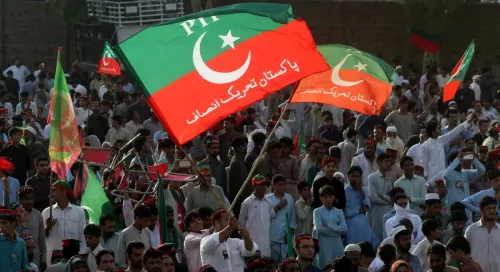
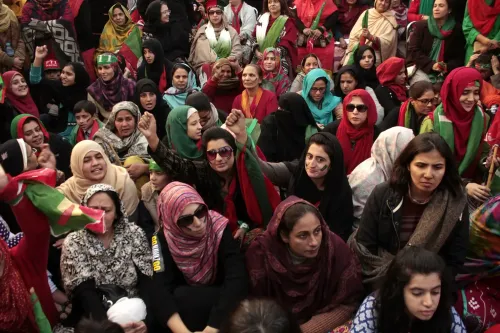
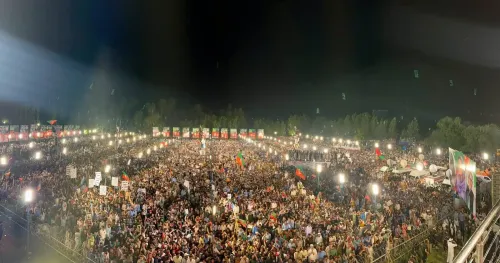
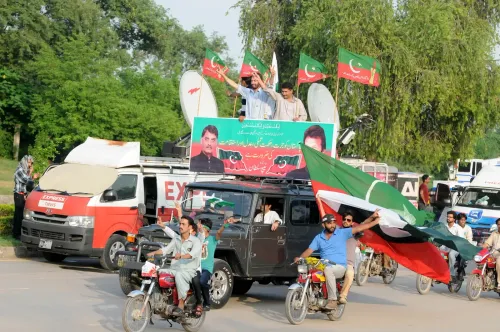
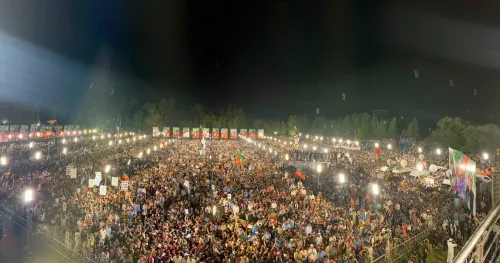
Pakistan is bracing for a high-stakes confrontation as the Pakistan Tehreek-e-Insaf (PTI) party prepares a massive march, now rescheduled from 27 September to 4 October, amid sweeping lockdowns across Islamabad and Rawalpindi. Intelligence assessments warn the demonstration could turn into a defining — and potentially bloody — moment for Pakistan's military establishment.
Why PTI Rescheduled the March
The PTI was compelled to push back its protest date after the Pakistani establishment deployed an extraordinary array of containment measures. Heavy shipping containers fitted with metal spike rods and tyre-puncturing barriers have been positioned at the Attock Bridge, specifically to prevent protesters from moving beyond Khyber Pakhtunkhwa (KP) into Islamabad and Rawalpindi. Transport services ferrying people to the two cities have also been suspended, according to officials, to prevent large-scale gatherings from forming.
The PTI has described the march as anything but symbolic. Party leadership has stated that the goal is a permanent, once-and-for-all overhaul to dismantle what it calls a corrupt political system in Pakistan — signalling the movement intends to escalate beyond previous protests.
Islamabad and Rawalpindi Under Lockdown
According to officials, the establishment has sealed off key entry corridors into both Islamabad and Rawalpindi, with particular attention paid to Rawalpindi, which houses the Pakistan Army's General Headquarters (GHQ) and the Military Intelligence directorate. Hotels, businesses, and restaurants have reportedly been ordered to shut indefinitely ahead of the march. Pakistani security forces have also erected container blockades across Islamabad and its border corridors.
Officials describe the shutdown as indefinite — a signal, they say, of how seriously the military views the threat posed by the protests.
PTI's Core Demands
At the heart of the protests is the demand for the release of PTI founder and former Prime Minister Imran Khan, who has been in detention since 2023. The PTI has accused Field Marshal Asim Munir of orchestrating Khan's allegedly illegal detention. Beyond Khan's release, the party is seeking the restoration of constitutional and political rights, adequate medical care for the people of KP, and a comprehensive overhaul of Pakistan's political system.
Casualty Fears: Hospitals on Alert
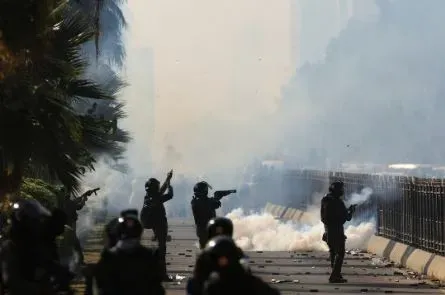
Anticipating large-scale violence, hospitals across Rawalpindi and Islamabad have reportedly been placed on high alert. Medical facilities have been instructed to postpone non-essential procedures and prepare for mass injuries. Officials say both sides appear unwilling to back down, raising the prospect of security forces employing significant force to disperse protesters. Heavy machinery has been deployed at entry points to both cities, further underlining the establishment's preparedness for an extended standoff.
Regional Watch: What Comes Next
The developments are being closely monitored regionally. The current assessment among observers is that the military is likely to respond forcefully, which could result in casualties on both sides. The PTI, for its part, appears determined to press ahead regardless of the risks. The atmosphere in Pakistan is expected to remain tense well beyond 4 October, with the confrontation between protesters and security forces carrying implications for the country's already fragile political stability. This comes amid a broader pattern of civil-military tension that has intensified since Khan's arrest in 2023, making the coming days a critical test of how far each side is willing to go.
Point of View
Indefinite business shutdowns, hospitals on mass-casualty standby — reveals a Pakistani military that is genuinely afraid of what 4 October could bring, not merely performing strength. That fear is itself significant: past PTI protests were contained with relative ease, but the establishment's reaction this time suggests it reads this march as qualitatively different. The PTI's framing — 'not symbolic, a permanent overhaul' — raises the stakes beyond a release demand into a direct challenge to civil-military hierarchy. If the military responds with the brute force officials are anticipating, the international blowback and domestic radicalisation could accelerate Pakistan's political unravelling rather than arrest it.
NationPress
26 Sept 2026
Frequently Asked Questions
Why has the PTI march been rescheduled to 4 October?
The PTI rescheduled its march from 27 September to 4 October after the Pakistani establishment imposed sweeping lockdowns, deployed container blockades with metal spike barriers at key entry points, and suspended transport services to Islamabad and Rawalpindi, making it logistically difficult for large numbers of protesters to gather.
What are PTI's demands in the October 4 march?
The PTI is demanding the immediate release of former Prime Minister Imran Khan, who has been in detention since 2023, along with the restoration of constitutional and political rights, proper medical care for the people of Khyber Pakhtunkhwa, and a complete overhaul of Pakistan's political system.
Why is Rawalpindi under particular focus during the lockdown?
Rawalpindi houses the Pakistan Army's General Headquarters and the Military Intelligence directorate, making it the symbolic and operational heart of the military establishment. The PTI has directed much of its anger at the military, and protesters are reportedly intent on entering Rawalpindi to challenge it directly.
Are casualties expected during the PTI protests?
Officials have warned that the protests are likely to turn violent, as both the PTI and the security forces appear unwilling to back down. Hospitals across Rawalpindi and Islamabad have been placed on high alert and told to postpone non-essential procedures in preparation for mass injuries.
Who is PTI holding responsible for Imran Khan's detention?
The PTI has accused Field Marshal Asim Munir of orchestrating what it describes as the illegal detention of Imran Khan. Khan has been imprisoned since 2023, and his release remains the central demand of the party's protest movement.