PTI long march crackdown: 150+ detained in Rawalpindi ahead of Sept 27 protest
Synopsis
Pakistani authorities have detained over 150 PTI leaders and workers in Rawalpindi ahead of the party's 27 September long march to Islamabad — part of a wider crackdown that includes a 13-day public gathering ban across Punjab, internet downgrade orders, Ranger deployments, and the detention of Imran Khan's three sisters. The Lahore High Court has so far declined to grant immediate relief.
Key Takeaways
More than 150 PTI leaders and workers have been detained in Rawalpindi division under Section 3 of the MPO Ordinance ahead of the 27 September long march.
Police are authorised to detain a total of 463 PTI members; over 2,000 homes and offices searched in 20 days .
More than 10,600 police personnel to be deployed in Rawalpindi; additional contingents arriving from other districts.
The Punjab government has banned gatherings of five or more people from 23 September to 5 October .
Imran Khan 's sisters — Aleema Khan , Noreen Niazi , and Uzma Khan — were detained under a 30-day MPO order; Lahore High Court declined immediate suspension of detention orders.
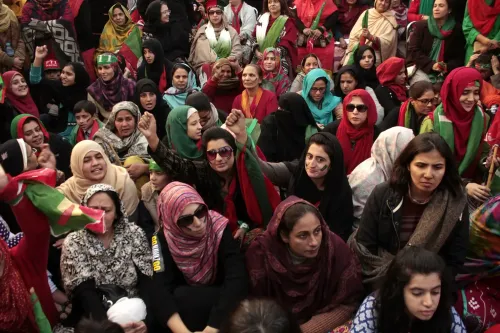
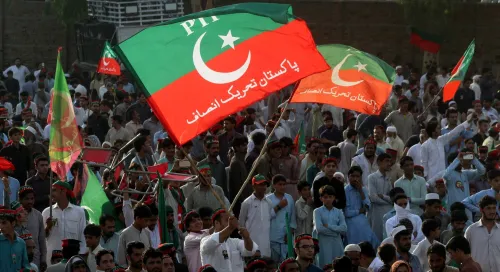
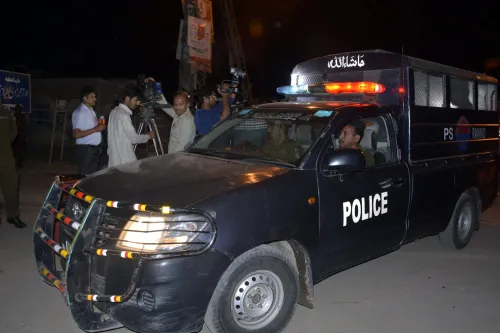
Pakistani police have detained more than 150 leaders and workers of Pakistan Tehreek-e-Insaf (PTI) in Rawalpindi division ahead of the party's planned long march to Islamabad on 27 September, with those arrested confined in various prisons under Section 3 of the Maintenance of Public Order (MPO) Ordinance, local media reported on Friday, 25 September. The sweeping pre-emptive action underscores the scale of the Pakistani state's effort to contain the PTI's mobilisation before what could be one of the largest opposition protests in recent years.
Scale of the Crackdown
According to reports citing sources, police have been authorised to detain a total of 463 PTI leaders and workers across Rawalpindi division, covering the districts of Attock, Chakwal, Jhelum, Rawalpindi, and Murree. Door-to-door searches have reportedly been conducted across more than 2,000 homes and offices over the past 20 days. Authorities are also monitoring at least 91 members of the Insaf Student Federation and Insaf Lawyers Forum.
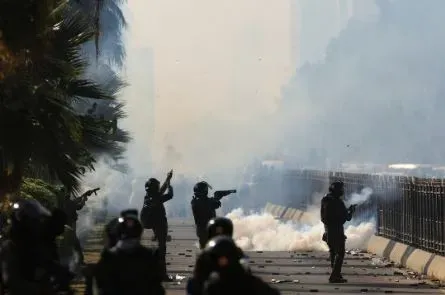
More than 10,600 police personnel are to be deployed in Rawalpindi to maintain order during the march, with additional contingents arriving from other districts of Pakistan to bolster local forces. Roads are being blocked and checkpoints erected across all five districts of the division.
Punjab's 13-Day Gathering Ban
The Punjab government has imposed a 13-day ban on public gatherings across the province, running from 23 September to 5 October, prohibiting assemblies of five or more people in any public space, street, road, highway, motorway, or open area, according to reports citing The Express Tribune. The official notification cited a 'serious and imminent threat to public peace, tranquillity, and the safety of life and property' posed by militant or terrorist groups as the basis for the restrictions.
The Punjab government has additionally sought the services of Pakistan Rangers for security assistance in Rawalpindi, Attock, Jhelum, and Mianwali, and has urged the Federal Ministry of Interior to downgrade mobile and internet services at selected locations in Rawalpindi and Attock from 27 September onwards.
Imran Khan's Sisters Detained, Court Declines Immediate Relief
In a parallel development, the Lahore High Court (LHC) on Thursday declined to immediately suspend detention orders issued against former Pakistan Prime Minister Imran Khan's sisters — Uzma Khan and Noreen Niazi. The two women, along with a third sister Aleema Khan, were arrested following a 30-day detention order issued by the Lahore Deputy Commissioner under Section 3 of the MPO Ordinance.
Lawyers representing the two women argued before the LHC that both are 'non-political' and had been detained without justification, noting that Uzma Khan had previously been acquitted in a case filed against her. The court issued notices to respondents and sought their response, stating it would review a report from relevant parties before ruling on the suspension request.
Context and Stakes
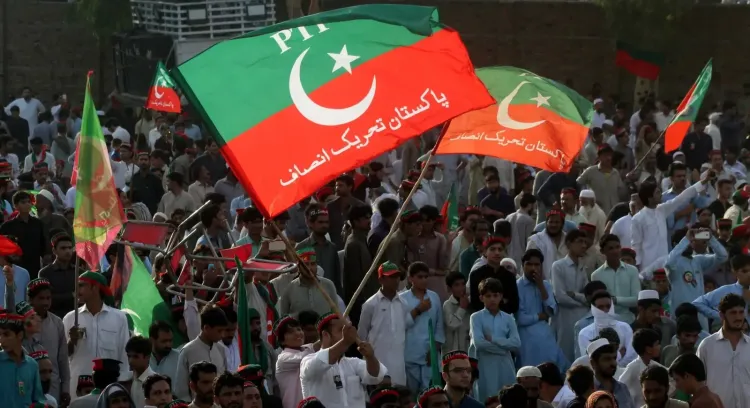
The PTI's long march is being organised primarily to demand the release of Imran Khan, who remains in custody. This is not the first time Pakistani authorities have moved to pre-empt a PTI march — a pattern of pre-march detentions, internet shutdowns, and road blockades has recurred across multiple PTI mobilisation attempts. The detention of Khan's sisters marks a notable escalation, drawing condemnation from PTI and raising questions internationally about the scope of the crackdown.
With the march scheduled for 27 September and legal challenges still pending before the LHC, the situation remains fluid and closely watched both domestically and abroad.
Point of View
000 homes, 10,600 deployed personnel, a province-wide gathering ban, and the detention of Imran Khan's sisters — points to a Pakistani state that is less confident in its ability to contain PTI through politics than through logistics. Each successive crackdown has, historically, boosted PTI's sympathiser base rather than dispersed it. Detaining family members of a jailed former prime minister is a particularly high-stakes gambit: if the LHC ultimately grants relief, it hands PTI a legal and optics victory; if it does not, it sets a precedent with serious civil liberties implications. The mobilisation test on 27 September will reveal whether suppression has succeeded or merely sharpened the opposition's resolve.
NationPress
25 Sept 2026
Frequently Asked Questions
Why are PTI leaders being detained in Rawalpindi?
Pakistani police are detaining PTI leaders and workers ahead of the party's planned long march to Islamabad on 27 September, which has been called to demand the release of former Prime Minister Imran Khan. More than 150 have been held under Section 3 of the Maintenance of Public Order Ordinance, with authorities authorised to detain up to 463 members.
What is the Punjab government's gathering ban?
The Punjab government has imposed a 13-day ban on public gatherings from 23 September to 5 October 2025, prohibiting assemblies of five or more people in public spaces, roads, highways, and open areas. The official order cited a 'serious and imminent threat to public peace' from militant or terrorist groups.
Why were Imran Khan's sisters detained?
Imran Khan's three sisters — Aleema Khan, Noreen Niazi, and Uzma Khan — were arrested under a 30-day detention order issued by the Lahore Deputy Commissioner under the MPO Ordinance, reportedly in connection with pre-march security measures. Their lawyers described them as 'non-political' and argued the detentions lacked justification.
What did the Lahore High Court decide on the sisters' detention?
The Lahore High Court declined to immediately suspend the detention orders for Uzma Khan and Noreen Niazi at a Thursday hearing, saying it would first seek reports from relevant parties. The court issued notices to respondents and will rule after reviewing their response.
How many police will be deployed for the PTI march?
More than 10,600 police personnel are to be deployed in Rawalpindi alone, with additional contingents called in from other districts of Pakistan. The Punjab government has also sought Pakistan Rangers' assistance in Rawalpindi, Attock, Jhelum, and Mianwali.