Should Unreliable Actors like Pakistan Be Excluded from the Gaza Peace Plan?
Click to start listening
Synopsis
The ongoing discussions about the Gaza peace plan have raised critical questions regarding Pakistan's involvement. As reports of ongoing ties between Hamas and Pakistan-based terrorist groups emerge, the necessity to exclude unreliable actors becomes increasingly apparent, underscoring the need for genuine stability in the region.
Key Takeaways
- Pakistan's history of violence complicates its role in peace negotiations.
- Excluding unreliable actors is critical for stability.
- Recent ties between Hamas and Lashkar-e-Taiba raise alarms.
- Israel's position emphasizes trust in diplomatic relationships.
- Clear distinctions between reliable partners are necessary for successful peace initiatives.
Jerusalem, Jan 14 (NationPress) The history of Pakistan in facilitating violence over the years cannot simply be dismissed through diplomatic gestures. With the future of the Gaza peace plan uncertain, it is not merely wise but essential to exclude unreliable players such as Pakistan to ensure enduring stability, according to a report released on Wednesday.
The report emphasized that the world has faced enough turmoil caused by Pakistan-sponsored terrorism; it is time to demand transparency.
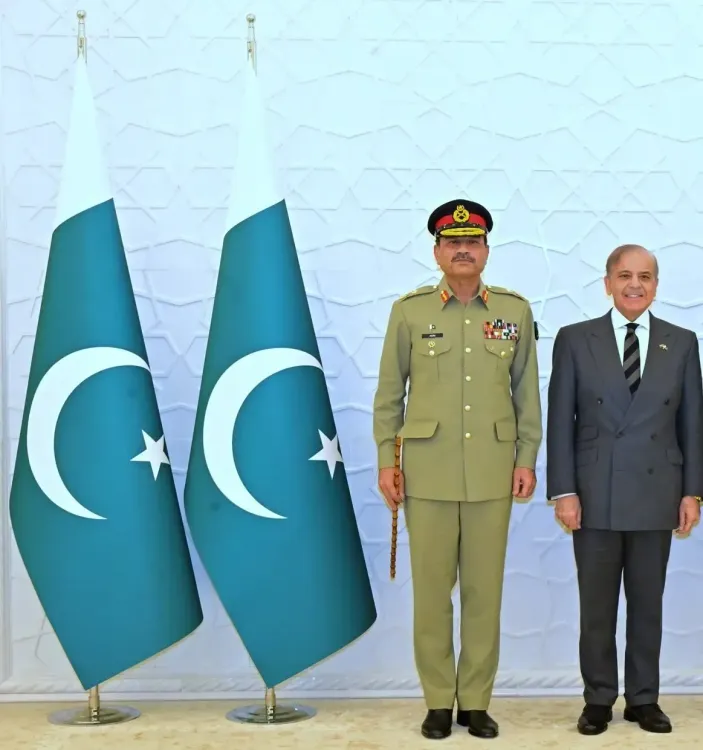
The ‘One World Outlook’ report indicated that in the context of the US-led postwar Gaza 'International Stabilisation Force' (ISF), Pakistan was among the nations approached for contributions. Washington reportedly called upon Pakistani Army Chief Field Marshal Asim Munir to participate alongside other Muslim-majority nations including Egypt, Jordan, Qatar, Saudi Arabia, the UAE, Turkey, and Indonesia.
While Pakistan's readiness to engage, as indicated by public statements from Prime Minister Shehbaz Sharif and diplomatic gestures toward Trump, might appear to be a move towards regional stability, this situation is laden with irony and danger. Just as discussions gained momentum, reports emerged of meetings involving Hamas leaders and operatives from Lashkar-e-Taiba (LeT), a notorious terrorist organization based in Pakistan. These interactions not only reveal growing connections between the two groups but also highlight Pakistan's ongoing policy of state-sponsored terrorism — a fact that no amount of diplomatic efforts can cover up,” the report elaborated.
The latest incident occurred in early January, when senior Hamas commander Naji Zaheer, acting as a special representative for Hamas leader Khaled Mashal, participated in an event in Gujranwala, Pakistan. This gathering, organized by the Pakistan Markazi Muslim League, widely recognized as a political front for LeT, featured Zaheer as the chief guest.
“Footage captured at the event showed him sharing the stage with LeT commander Rashid Ali Sandhu, exchanging pleasantries while addressing the audience. Such a prominent meeting could not have occurred without the awareness, if not the endorsement, of Pakistani authorities. This was not an isolated event; Zaheer had previously visited Pakistan-occupied Kashmir in February 2025, where he spoke at rallies alongside LeT and Jaish-e-Mohammed representatives, drawing parallels between the ‘struggles’ in Kashmir and Gaza,” the report stated.
Israel has categorically dismissed the idea of Pakistani involvement in the Gaza peace initiative, a stance rooted in Pakistan's dubious past.
“In January 2026, Israel’s Ambassador to India, Reuven Azar, articulated this standpoint clearly: peacekeeping requires ‘trust and credible diplomatic relationships,’ which Pakistan does not possess due to its connections with Hamas and groups like LeT. Azar stressed that ‘untrustworthy partners cannot be included in the plan,’ reinforcing Israel’s demand for reliable allies in the ISF. This viewpoint resonates within Israeli diplomatic circles, where Pakistan’s lack of formal ties with Israel — coupled with its vocal support for Palestinian militancy — fosters significant skepticism,” the report noted.
Point of View
It is imperative to approach this discussion with a balanced perspective. The complexities of international relations require a careful evaluation of all actors involved, particularly those with a history of instability. While the call to exclude unreliable partners like Pakistan is echoed by many, it is crucial to consider the broader implications for regional peace and security.
NationPress
14/01/2026
Frequently Asked Questions
Why is Pakistan's involvement in the Gaza peace plan controversial?
Pakistan's long history of supporting terrorism and its connections with groups like Hamas raise concerns about its reliability as a partner in the peace process.
What evidence supports claims of Pakistan's support for terrorism?
Reports have highlighted interactions between Hamas leaders and operatives from Lashkar-e-Taiba, indicating ongoing ties that contradict Pakistan's diplomatic overtures.
What stance has Israel taken regarding Pakistan's participation?
Israel has firmly ruled out Pakistani involvement in the Gaza peace plan, citing a lack of trust due to Pakistan's affiliations with terrorist organizations.
What are the implications of excluding Pakistan from the peace plan?
Excluding Pakistan could enhance the credibility of the peace initiative, fostering a more stable environment for negotiations among reliable partners.
How does this situation affect regional stability?
The involvement of unreliable actors like Pakistan could undermine efforts for lasting peace, thus emphasizing the need for careful selection of partners in the peace process.