Has the US Eased Return Rules for Religious Workers?
Click to start listening
Synopsis
The recent rule change by the US Department of Homeland Security eliminates a one-year waiting period for foreign religious workers, addressing staffing shortages in faith-based organizations. This move reflects a commitment to religious freedom and aims to expedite the return of essential clergy services across various faith communities.
Key Takeaways
- DHS abolishes the one-year wait for returning foreign religious workers.
- New rule enhances stability for faith-based organizations.
- Immediate effect to address staffing shortages.
- Supports various faith communities, not just Christian organizations.
- Public comments are invited within 60 days.
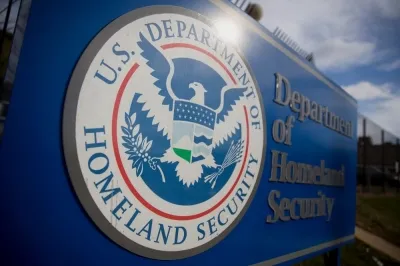
Washington, Jan 14, (NationPress) The US Department of Homeland Security revealed on Tuesday that it has implemented an interim final rule that abolishes a longstanding mandate requiring many foreign religious workers to remain outside the United States for a full year before they can return to their roles. This change is anticipated to provide relief to faith-based organizations grappling with significant staffing shortages.
The revised rule eliminates the compulsory one-year foreign residency stipulation for R-1 religious workers who have already reached the maximum five-year stay. Although these workers must still leave the United States, they will no longer be subjected to a minimum waiting period abroad before they can seek reentry in R-1 status, as stated by the DHS.
According to the DHS, “This rule significantly decreases the waiting time, thereby enhancing stability and reducing disruptions for faith-based communities.” They further noted that this allows religious workers to “resume their critical services.”
A spokesperson for DHS emphasized that this decision highlights the administration’s dedication to safeguarding religious freedom. “Under the guidance of Secretary Noem, DHS is focused on protecting the expression of religion and ensuring that religious organizations can continue to provide the essential services that Americans rely on,” the spokesperson remarked.
“Clergy members, including pastors, priests, nuns, and rabbis, are vital to the social and moral foundations of our nation. We remain dedicated to supporting these organizations in their indispensable work,” the spokesperson added.
The department indicated that this adjustment is particularly crucial as visa backlogs have left numerous religious institutions without clergy. The demand for immigrant visas in the EB-4 category, which encompasses religious workers, has outstripped supply for several years. Recent modifications by the Department of State in 2023 have further prolonged waiting times for applicants from specific countries.
The DHS stated that “These delays have compelled many religious workers to exhaust their maximum duration of stay in R-1 status.” By eliminating the one-year foreign residency requirement, the US Citizenship and Immigration Services aims to mitigate the time religious organizations are left without their trusted clergy and non-ministerial staff.
While this rule is expected to predominantly assist Christian churches across the United States that are experiencing a critical shortage of priests and pastors, it is also likely to positively impact other faith communities. For instance, Hindu temples, which often depend on traditionally trained priests from India to perform rituals and uphold religious practices, have also been adversely affected by ongoing visa delays and staffing shortages.
The DHS affirmed that the interim final rule is effective immediately. Additionally, USCIS has requested written public feedback, which must be submitted within 60 days following the rule's announcement in the Federal Register.
This rule aligns with President Donald Trump’s Executive Order 14205, which establishes the White House Faith Office tasked with enhancing federal engagement with faith-based organizations and preserving religious liberty, as outlined in the order released earlier this year.
Point of View
It's crucial to recognize the implications of the DHS's recent rule change. This development not only eases the return of vital religious workers but also underscores the administration's ongoing commitment to religious freedom. In a time when many faith-based institutions face staffing challenges, this rule is a step towards ensuring that communities continue to receive essential spiritual support.
NationPress
14/01/2026
Frequently Asked Questions
What does the new rule for religious workers entail?
The new rule eliminates the one-year foreign residency requirement for R-1 religious workers, allowing them to return to the US without a lengthy waiting period.
How does this change affect faith-based organizations?
This change is expected to relieve staffing shortages in faith-based organizations, enabling them to maintain essential services.
When does the rule take effect?
The interim final rule takes effect immediately, allowing religious workers to return without delay.
Who benefits from this new rule?
While primarily aiding Christian churches, this rule is also likely to benefit other faith communities, including Hindu temples.
How can the public respond to this rule?
USCIS has invited written public comments, which must be submitted within 60 days of the rule's publication in the Federal Register.