Punjab gang built global crime network of 1,000+, alleges US indictment

Synopsis
A US federal indictment has pulled back the curtain on what prosecutors allege is one of the most expansive criminal networks ever traced to India — a Punjab-based gang with over 1,000 members across five continents, running drugs, murders-for-hire and extortion from a jail cell. The arrest of an FBI Most Wanted suspect in Vermont signals this is no longer a distant law enforcement matter.
Key Takeaways
A 44-page US federal indictment filed on 17 July alleges the Jaggu Bhagwanpuria Organised Crime Group , originating in Punjab , grew into a syndicate with more than 1,000 members and associates across five continents .
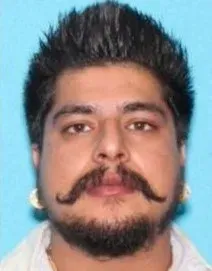
15 defendants are charged; Indian national Nitish Kaushal was arrested by the FBI in Vermont after being placed on the bureau's Most Wanted list.
Alleged criminal activities include murder, murder-for-hire, kidnapping, drug trafficking, extortion, firearms trafficking, money laundering and human smuggling.
Standard drug shipments allegedly contained 100 kilograms or more of cocaine or methamphetamine; recruits were allegedly paid as little as ₹20,000 ($200) to commit murders.
Punjab law enforcement officer Gurinderjit Singh is named in the indictment, accused of facilitating extortion through fabricated criminal cases — allegations that remain unproven.
Alleged gang leader Jaggu Bhagwanpuria reportedly directed global operations from an Indian jail using contraband mobile phones.
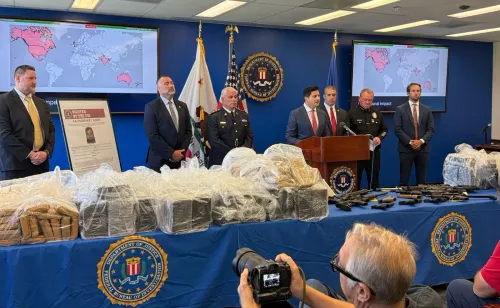
A sweeping 44-page federal indictment filed in the US District Court for the Central District of California has alleged that a Punjab-based criminal gang evolved into a transnational organised crime syndicate with more than 1,000 members and associates operating across five continents, generating millions of dollars through murder, kidnapping, drug trafficking, extortion, weapons trafficking, money laundering and human smuggling. The indictment, announced on 17 July, represents one of the most detailed public accounts yet by US authorities of an alleged criminal enterprise originating in India.
Key Charges and Defendants
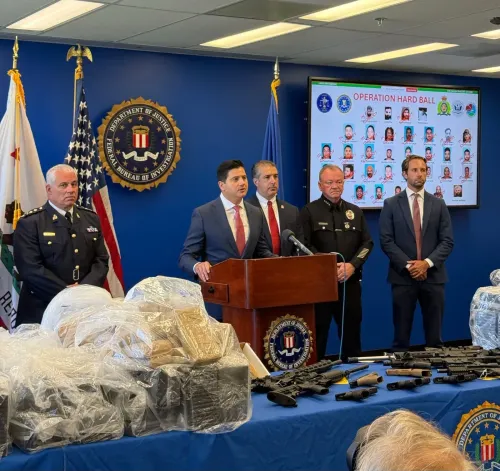
The indictment charges 15 defendants, including alleged gang leader Jaggu Bhagwanpuria and Indian national Nitish Kaushal, who was arrested by the Federal Bureau of Investigation (FBI) in Vermont after being placed on the bureau's Most Wanted list earlier in the week. According to US prosecutors, the Jaggu Bhagwanpuria Organised Crime Group originated in Punjab under Bhagwanpuria's leadership. He was formerly associated with jailed gangster Lawrence Bishnoi before allegedly establishing an independent criminal network that eventually became a rival organisation.
The indictment alleges the group transformed from a regional criminal outfit into, in prosecutors' words, 'a transnational criminal syndicate headquartered in India' with members and associates across the United States, Canada, the United Kingdom, Europe, Australia and New Zealand. More than 100 of those members and associates were allegedly based within the United States alone.
Recruitment, Violence and Social Media
One of the indictment's most striking allegations concerns the organisation's recruitment methods. Prosecutors allege the gang deliberately targeted vulnerable and disadvantaged young people in Punjab — including minors — because they faced lower criminal penalties if caught. Recruiters allegedly promised money, notoriety, influence and pathways out of India through student or work visas.
In some cases, according to the indictment, recruits were paid as little as ₹20,000 (approximately $200) to carry out murders on the organisation's behalf. Loyal members were allegedly rewarded by being sent to operate in countries including the United States and Canada. The court filing further alleges that members publicly claimed responsibility for acts of violence on social media to build the organisation's reputation and instil fear.
Drug Trafficking and Firearms Operations
The indictment outlines what prosecutors describe as an extensive international narcotics distribution network. Jaggu Bhagwanpuria allegedly personally managed drug trafficking routes in the United States through which members transported cocaine, methamphetamine and other narcotics across the country and into Canada. Regional networks allegedly collected narcotics in Southern California before loading them onto long-haul semi-trucks bound for destinations across the eastern United States and the US-Canada border. A standard shipment allegedly contained 100 kilograms or more of cocaine or methamphetamine.
Separately, the indictment alleges the organisation developed a firearms trafficking operation, with members acquiring weapons and ammunition through straw purchasers in Nevada before selling them domestically or smuggling them into Canada.
Extortion Network and Alleged Police Complicity
The alleged extortion operation described in the indictment stretched well beyond US borders. Gang members reportedly collected detailed information on targets, often focusing on relatives living in India, and contacted victims through encrypted messaging applications with threats of violence unless payments were made.
Notably, the indictment specifically names Gurinderjit Singh, identified as a law enforcement officer in Punjab, alleging he assisted organisation members by pursuing fabricated criminal cases against victims before seeking payments to have those cases withdrawn. Those allegations remain unproven in court. One section of the indictment further alleges that gang members worked with corrupt law enforcement officials in Punjab to facilitate such extortion schemes — a claim that, if substantiated, would point to institutional vulnerabilities within the state's policing apparatus.
Operations from Behind Bars
The indictment claims Jaggu Bhagwanpuria continued directing global operations from a jail in India using contraband mobile phones and internet-based communication devices, overseeing drug trafficking, extortion and acts of violence carried out by associates overseas. Prosecutors further allege that members understood leaving the organisation was extremely difficult, with those considered disloyal facing violent retaliation against themselves or their family members, particularly relatives in India.
The charges remain allegations at this stage, and all defendants are presumed innocent until proven guilty. As the case moves through the US federal court system, the full scope of the alleged network's reach — and any diplomatic or law enforcement cooperation between India and the United States — is expected to come under sharper scrutiny.
Point of View
The alleged use of student and work visas as criminal pathways, and, most troublingly, the named allegation of police complicity in extortion. US federal prosecutions of this kind typically carry diplomatic weight, and New Delhi will face pressure to demonstrate credible cooperation. The Lawrence Bishnoi connection also situates this within a broader pattern of Indian organised crime networks with transnational ambitions — a pattern that Indian law enforcement has been slow to frame as a strategic threat rather than a domestic policing problem.
NationPress
17 Jul 2026
Frequently Asked Questions
What is the Jaggu Bhagwanpuria Organised Crime Group?
It is a Punjab-based criminal gang that, according to a US federal indictment filed on 17 July, evolved from a regional outfit into a transnational syndicate with more than 1,000 members and associates across five continents. The group allegedly engaged in murder, drug trafficking, extortion, firearms trafficking and human smuggling across North America, Europe and Oceania.
Who has been arrested in connection with this indictment?
Indian national Nitish Kaushal was arrested by the FBI in Vermont after being placed on the bureau's Most Wanted list. The indictment charges 15 defendants in total, including alleged gang leader Jaggu Bhagwanpuria.
How did the gang allegedly recruit members in Punjab?
According to prosecutors, the organisation deliberately targeted vulnerable and disadvantaged young people in Punjab, including minors, because they faced lower criminal penalties if caught. Recruiters allegedly offered money, notoriety and opportunities to emigrate through student or work visas, with some recruits paid as little as ₹20,000 ($200) to carry out murders.
What is the alleged connection to a Punjab police officer?
The indictment names Gurinderjit Singh, identified as a law enforcement officer in Punjab, alleging he helped organisation members pursue fabricated criminal cases against victims and then sought payments to have those cases withdrawn. These allegations remain unproven in court.
How did Jaggu Bhagwanpuria allegedly run the network from jail?
US prosecutors allege Bhagwanpuria directed global criminal operations from an Indian jail using contraband mobile phones and internet-based communication devices, continuing to oversee drug trafficking, extortion and acts of violence carried out by overseas associates.