US charges 37 in Operation Hard Ball targeting Indian diaspora gangs
Synopsis
US federal prosecutors have charged 37 members of three India-based criminal networks — including the Lawrence Bishnoi and Jaggu Bhagwanpuria groups — with murder, extortion and racketeering targeting Indian diaspora communities across North America. The indictments, part of 'Operation Hard Ball', allege the gangs used high-profile killings and social media to build fear, then monetised it through systematic extortion.
Key Takeaways
The US Justice Department charged 37 defendants linked to three transnational criminal organisations as part of Operation Hard Ball .
24 suspects have been arrested across the US , Canada , Europe and Asia .
The Lawrence Bishnoi Organised Crime Group is accused of murder, extortion and creating a 'climate of fear' among Indian diaspora communities worldwide.
Alleged North American leader Satinderjeet Singh (Goldy Brar) is accused of ordering the 18 June 2023 killing in Surrey, British Columbia .
A separate indictment targets the Jaggu Bhagwanpuria gang, which allegedly used corrupt Indian law enforcement officials to falsely implicate victims.
Charges include racketeering, murder, kidnapping, firearms trafficking and large-scale drug trafficking across the US , Canada and Europe .
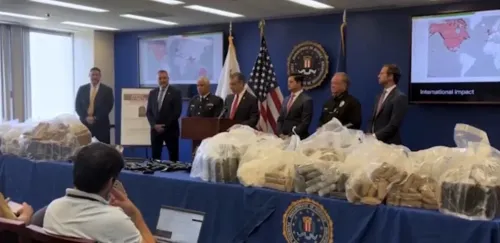
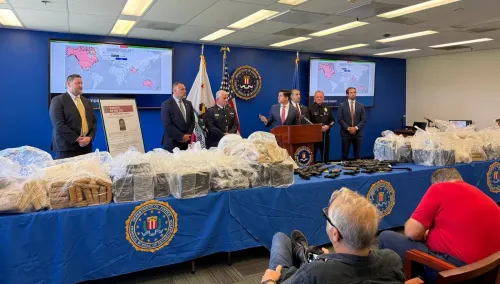
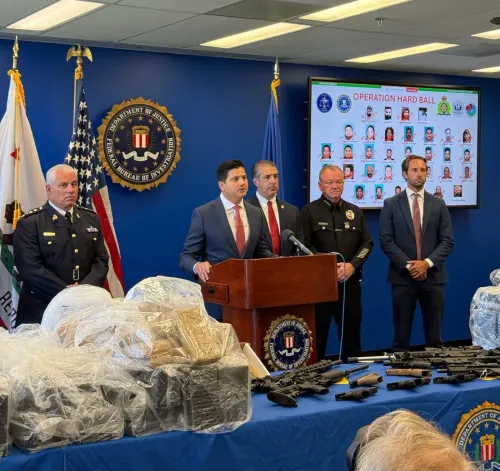
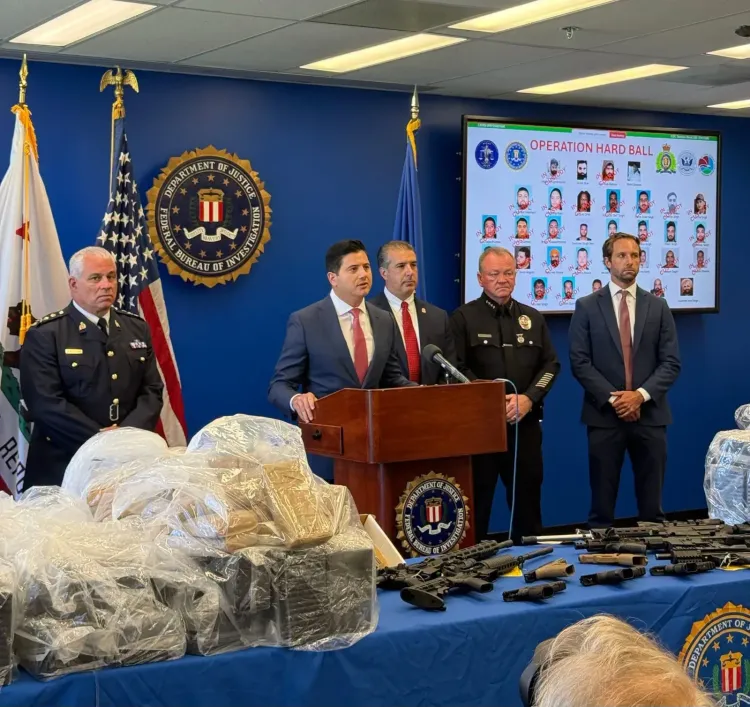
The US Justice Department has charged 37 defendants linked to India-based transnational criminal organisations that systematically targeted Indian diaspora communities across North America through murder, extortion, kidnapping and drug trafficking, federal prosecutors announced on Tuesday in Los Angeles. The operation, dubbed 'Operation Hard Ball', marks one of the most sweeping US federal actions against organised crime networks with roots in India.
Key Developments
Twenty-four suspects have been arrested across a multinational operation involving law enforcement agencies in the United States, Canada, Europe and Asia. The three transnational criminal organisations face charges including racketeering, murder, extortion, kidnapping, firearms trafficking and large-scale drug trafficking in the US, Canada and Europe.
First Assistant US Attorney Bilal A. Essayli, announcing the charges in Los Angeles, said the organisations 'preyed in particular on communities in the United States and Canada with ties to India and routinely extorted these individuals and their family members in India by threatening them with physical harm and death.'
The Lawrence Bishnoi Network
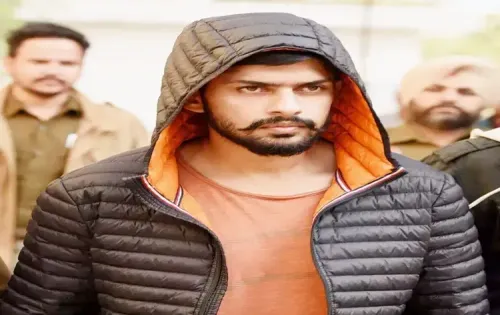
A central indictment targets the Lawrence Bishnoi Organised Crime Group, which prosecutors allege used violence to create a 'climate of fear' among Indian diaspora communities worldwide before exploiting that fear to extort victims. According to the indictment, the gang amplified its reputation by publicising violent acts through online videos, social media posts and media interviews.
Prosecutors allege the organisation deliberately targeted 'prominent cultural, political, and business leaders in India and diaspora communities outside of India' to maximise publicity and strengthen future extortion attempts. Victims were allegedly identified through government databases, social media platforms and surveillance, then contacted via encrypted messaging applications including WhatsApp.
Among the specific allegations is the 18 June 2023 killing of a Khalistani terrorist, identified in court documents only as 'H.S.N.', in Surrey, British Columbia. Prosecutors allege Lawrence Bishnoi and alleged North American leader Satinderjeet Singh, also known as Goldy Brar, ordered the assassination.
The indictment further alleges the organisation claimed responsibility for a shooting at the Vancouver residence of a prominent Indian actor and singer identified only as 'R.G.', and subsequently attempted to extort him. Prosecutors also allege the gang claimed responsibility for the 2022 killing of a prominent Indian singer and rapper identified only as 'S.S.S.' The indictment additionally states that Bishnoi publicly declared on multiple occasions between 2022 and 2026 his intention to kill a well-known Indian actor and television personality identified only as 'S.K.'
The Jaggu Bhagwanpuria Network
A separate indictment alleges the Jaggu Bhagwanpuria organised crime group also targeted members of the Indian diaspora and, in some cases, reportedly worked with corrupt law enforcement officials in India to falsely implicate victims in criminal cases before demanding money to have those cases withdrawn. This allegation, if proven, would point to a troubling nexus between transnational crime and institutional corruption.
Scope and Significance
This is the first time US federal prosecutors have brought racketeering charges of this scale against criminal networks explicitly accused of targeting Indian-origin communities in North America. The charges come amid heightened scrutiny of cross-border organised crime involving South Asian diaspora populations, and follow earlier diplomatic friction between India and Canada over alleged gang activity. The Justice Department's involvement signals that Washington is treating these networks as a serious transnational threat rather than a bilateral India-Canada matter.
With extradition proceedings and further arrests expected, the full scope of the enterprise is likely to emerge through trial proceedings in the months ahead.
Point of View
But its targeting of diaspora communities in democratic countries raises the stakes beyond ordinary gang violence. The allegation that the Jaggu Bhagwanpuria group weaponised corrupt Indian law enforcement to manufacture criminal cases against victims is the most troubling detail in the indictments, because it suggests institutional penetration, not just street-level violence. If proven, that nexus will complicate India-US law enforcement cooperation and put pressure on New Delhi to demonstrate credible action against the domestic infrastructure enabling these networks.
NationPress
6 Oct 2026
Frequently Asked Questions
What is Operation Hard Ball?
Operation Hard Ball is a US federal law enforcement operation announced by the Justice Department that resulted in charges against 37 defendants linked to three India-based transnational criminal organisations. The charges include racketeering, murder, extortion, kidnapping, firearms trafficking and large-scale drug trafficking across the US, Canada and Europe.
Who is Lawrence Bishnoi and what is he accused of?
Lawrence Bishnoi is the alleged leader of the Lawrence Bishnoi Organised Crime Group, which US prosecutors accuse of using targeted killings, extortion and social media publicity to build a 'climate of fear' among Indian diaspora communities. The indictment alleges he and alleged North American leader Satinderjeet Singh (Goldy Brar) ordered the June 2023 killing in Surrey, British Columbia, and that Bishnoi publicly threatened a prominent Indian actor and television personality between 2022 and 2026.
Which communities were targeted by these criminal groups?
The gangs primarily targeted Indian diaspora communities in the United States and Canada, including prominent cultural, political and business figures. Victims and their family members in India were also threatened with physical harm and death to coerce extortion payments.
What is the Jaggu Bhagwanpuria group accused of?
The Jaggu Bhagwanpuria organised crime group is alleged to have targeted Indian diaspora members and, in some cases, reportedly worked with corrupt law enforcement officials in India to falsely implicate victims in criminal cases before demanding money to have those cases dropped.
How many people have been arrested so far?
Twenty-four suspects have been arrested as part of the multinational operation. The investigation involved law enforcement agencies from the United States, Canada, Europe and Asia, and further proceedings are expected.