Lawrence Bishnoi ran global crime network from Indian jail, US indictment alleges
Synopsis
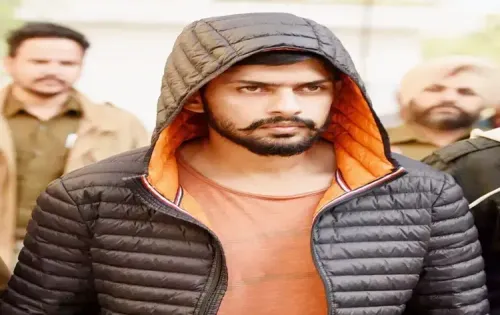
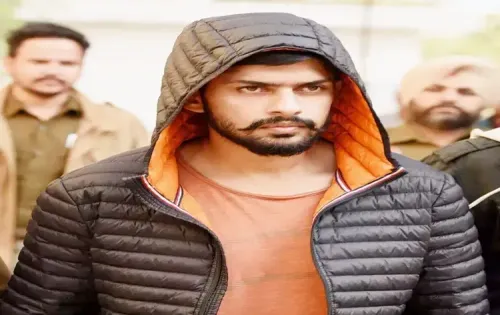
A US federal indictment unsealed as part of 'Operation Hard Ball' alleges that Lawrence Bishnoi — jailed in India since 2015 — ran a transnational criminal syndicate spanning the US, Canada, the UK, Europe and Australia, using smuggled phones to direct murders, extortion and trafficking from his prison cell.
Key Takeaways
A US federal racketeering indictment unsealed on Tuesday alleges Lawrence Bishnoi directed a global crime network from inside an Indian prison .
The indictment is part of 'Operation Hard Ball' , targeting three organised crime groups operating across North America , Europe and beyond.
Bishnoi allegedly used contraband mobile phones and VoIP devices smuggled into his jail cell to oversee murders, extortion, drug trafficking and human smuggling.
The alleged syndicate has thousands of members worldwide , including hundreds in the United States and Canada .
Recruits — including minors — were allegedly sent abroad on student and foreign worker visas , sometimes using fraudulent documents.
Bishnoi was first arrested by Indian authorities in 2015 but allegedly continued leading the organisation from behind bars.
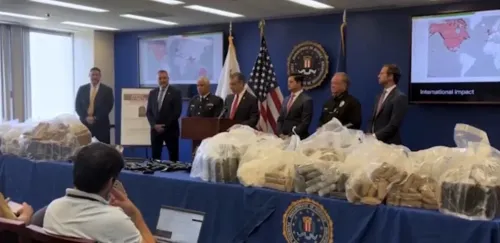
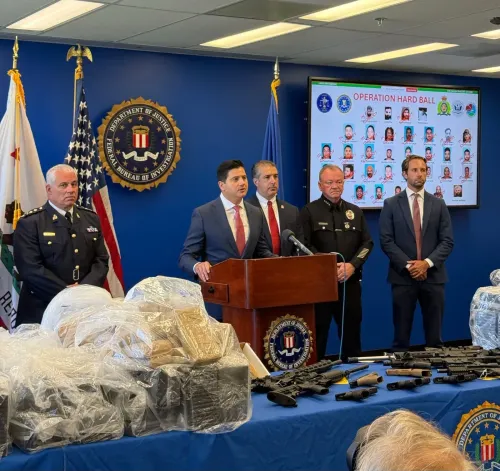
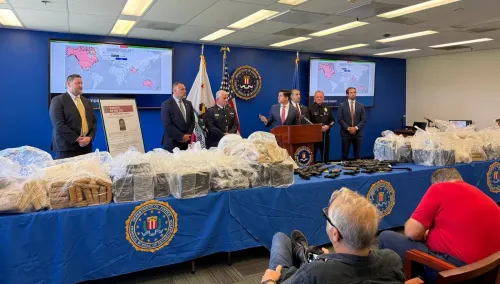
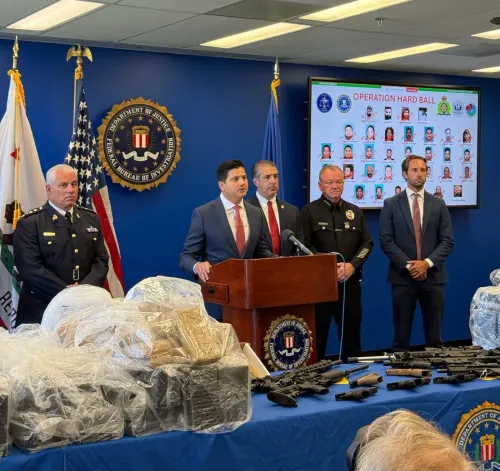
US prosecutors have alleged that jailed gangster Lawrence Bishnoi directed a vast transnational criminal enterprise from inside an Indian prison, using contraband mobile phones and internet-based communication tools to orchestrate murders, extortion, drug trafficking, human smuggling and other serious crimes across multiple countries. The allegations are detailed in a federal racketeering indictment unsealed on Tuesday as part of 'Operation Hard Ball', a multinational law enforcement action targeting three organised crime groups accused of operating across North America, Europe and beyond.
From Student Leader to Crime Syndicate Chief
According to the indictment, Bishnoi's criminal trajectory began in the early 2010s when he was enrolled at a university in Punjab. Prosecutors allege he initially built a network of associates under the guise of student leadership before pivoting to organised crime. The indictment states: 'While enrolled in university in the early 2010s, defendant BISHNOI styled himself as a student leader and developed a network of associates and followers. Defendant BISHNOI soon thereafter traded campus politics for criminal activity, and refashioned his associates and followers into a criminal organisation.'
Bishnoi was arrested by Indian authorities in 2015, but prosecutors allege the arrest did little to curtail his operational control. He is accused of continuing to lead the organisation from behind bars using 'contraband cellphones and other voice over internet protocol devices smuggled into his jail cell.'
Scope of Alleged Criminal Operations
The indictment alleges the organisation grew well beyond its Punjab origins, establishing networks across the United States, Canada, the United Kingdom, Europe and Australia. Prosecutors claim the syndicate now counts thousands of members and associates worldwide, including hundreds in the United States and Canada alone.
Alleged criminal activities include targeted political assassinations, murders, shootings, extortions, kidnappings, narcotics trafficking and human smuggling. Prosecutors further allege that high-profile acts of violence were deliberately used to build the organisation's reputation and intimidate victims — both within India and among Indian diaspora communities abroad. Profits from criminal activities were allegedly shared across the network and funnelled back to members in India.
Recruitment Tactics and Decentralised Structure
Investigators allege the organisation recruited primarily from 'vulnerable, disadvantaged populations in India,' with a particular focus on minors from impoverished areas who were lured with promises of money, notoriety and protection. Loyal recruits were allegedly dispatched to countries including the United States and Canada on student and foreign worker visas, in some cases using fraudulent documentation.
Prosecutors also allege the network was deliberately structured to be decentralised, ensuring lower-ranking members had minimal knowledge of one another — a design intended to make the organisation more resilient and harder to dismantle if members were apprehended. Those who attempted to cooperate with law enforcement or leave the organisation were allegedly threatened with violence against themselves or their relatives in India.
The Public Image Bishnoi Allegedly Cultivated
The indictment accuses Bishnoi of carefully crafting a public persona to aid recruitment. According to prosecutors, 'In public, defendant BISHNOI projected an image of himself as a 'patriot,' 'nationalist,' and deeply religious individual.' Social media posts and media interviews were allegedly used as recruitment tools targeting individuals in India, the United States and elsewhere.
What Comes Next
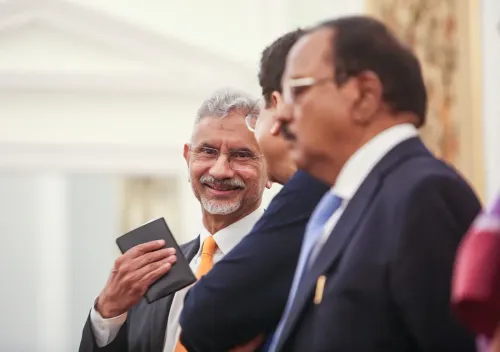
Operation Hard Ball involves coordinated action against three organised crime groups and signals deepening US law enforcement focus on transnational gangs with roots in South Asia. The indictment's unsealing marks a significant escalation in international scrutiny of Bishnoi's alleged network, and is expected to intensify diplomatic and judicial conversations between Washington and New Delhi on cross-border organised crime.
Point of View
Rather than pursue quieter diplomatic channels, suggests the US views the Bishnoi network as a threat to its own domestic security — not just an Indian problem. The diaspora recruitment angle is particularly significant: it signals that South Asian organised crime has matured into a transnational structure that Western law enforcement can no longer treat as peripheral.
NationPress
7 Oct 2026
Frequently Asked Questions
What is 'Operation Hard Ball' and what does it allege against Lawrence Bishnoi?
'Operation Hard Ball' is a multinational law enforcement operation that led to the unsealing of a US federal racketeering indictment alleging that Lawrence Bishnoi ran a global organised crime network from inside an Indian prison. Prosecutors allege he directed murders, extortion, drug trafficking and human smuggling across multiple countries using contraband phones smuggled into his jail cell.
How did Lawrence Bishnoi allegedly control his network from prison?
According to the US indictment, Bishnoi used contraband mobile phones and voice-over-internet-protocol (VoIP) devices that were smuggled into his jail cell to communicate with and direct members of his organisation worldwide. He was arrested by Indian authorities in 2015 but allegedly never relinquished operational control.
Which countries does the Bishnoi network allegedly operate in?
The indictment alleges the organisation has established networks across the United States, Canada, the United Kingdom, Europe and Australia, with thousands of members and associates worldwide, including hundreds in the US and Canada alone.
How did the Bishnoi gang allegedly recruit members?
Prosecutors allege the organisation targeted vulnerable and disadvantaged populations in India, particularly minors from impoverished areas, by promising money, notoriety and protection. Loyal members were allegedly sent to countries like the US and Canada on student and foreign worker visas, sometimes using fraudulent documentation.
What is the significance of the US indictment for India-US relations?
The formal federal indictment signals that US authorities view the Bishnoi network as a direct domestic security threat, not merely an Indian law enforcement matter. It is expected to intensify diplomatic and judicial discussions between Washington and New Delhi on cross-border organised crime and prison security.