Pakistan Punjab power outages: Heatwave pushes LESCO shortfall to 800MW
Synopsis
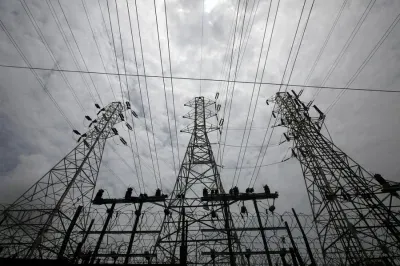
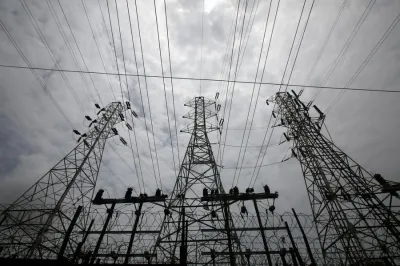
Pakistan's Punjab province is facing hours-long unannounced power cuts during a severe heatwave, with the demand-supply gap reportedly hitting 800MW — even as LESCO insists there is no load-shedding. The disconnect between utility claims and resident experience is a recurring feature of Pakistan's power crisis, and this summer's heat is making it impossible to ignore.
Key Takeaways
Residents across Punjab province , including multiple Lahore localities, are facing unannounced power outages during a severe heatwave.
Electricity demand reportedly exceeded 4,750MW while supply from the National Power Control Centre stood at roughly 4,200MW — a shortfall of up to 800MW .
LESCO denies any load-shedding, attributing cuts only to maintenance and high-loss feeders.
Residents report damage to appliances including air conditioners, refrigerators, and water motors due to voltage fluctuations.
Karachi faced a similar crisis in June during Ashura, with K-Electric also disputing residents' accounts of outages.
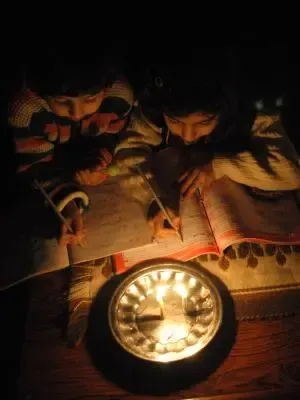
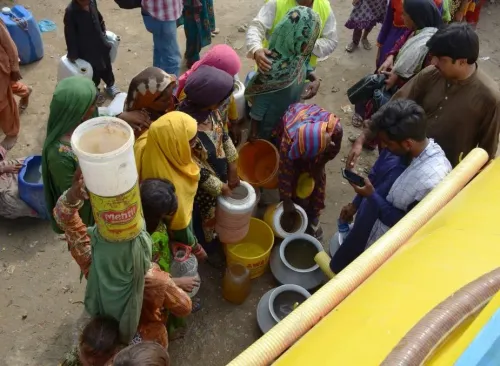
Residents across Pakistan's Punjab province are enduring hours-long unannounced power cuts as a severe heatwave drives electricity demand beyond available supply, local media reported on Thursday, 2 July. The crisis has left households and businesses without power for extended periods, with the gap between demand and supply reportedly stretching between 500MW and 800MW.
Scale of the Outages
Localities across Lahore — including Gulberg, Green Town, Johar Town, Baghbanpura, Township, Garden Town, China Scheme, and Anarkali — have reported persistent power interruptions, unstable voltage, and prolonged restoration times. Residents of suburban areas and other cities served by the Lahore Electric Supply Company (LESCO) have also flagged unscheduled outages.
Beyond inconvenience, the repeated fluctuations have caused material damage. Residents say electronic appliances — including air conditioners, refrigerators, televisions, and water motors — have been damaged by low voltage and power surges, according to reports in The Express Tribune.
LESCO's Position vs Ground Reality
LESCO has maintained that there is no declared or undeclared load-shedding in Lahore, attributing power interruptions solely to scheduled shutdowns for development work and maintenance on high-loss feeders. The utility has asserted that adequate electricity is available to meet current demand.
However, separate reports contradict this position. Electricity demand in the region reportedly reached over 4,750MW, while supply from the National Power Control Centre stood at approximately 4,200MW — a shortfall of up to 800MW. Technical faults have also multiplied under the stress of severe heat, compounding the supply gap.
Karachi's Ashura Outages Add to the Pattern
The Punjab crisis follows a similar breakdown in Karachi in June, when residents faced electricity outages during the religiously significant days of Ashura. K-Electric had claimed it exempted several areas from scheduled load-shedding until Muharram 11, but residents across large parts of the city — including Saddar, Burns Road, Lyari, Clifton, Defence Housing Authority, Federal B. Area, North Karachi, Liaquatabad, Malir, Korangi, Shah Faisal Colony, Orangi Town, Keamari, and Baldia Town — reported prolonged cuts, according to Dawn. K-Electric had described supply as 'uninterrupted as per schedule', a claim residents disputed.
A Recurring Crisis
Pakistan's power sector has long struggled with a structural mismatch between installed capacity and actual deliverable supply, compounded by circular debt and aging infrastructure. Summer heatwaves routinely expose this gap, pushing utilities into informal load-shedding even as they publicly deny it. Critics argue that the disconnect between official statements and lived experience has eroded public trust in the country's power distribution companies.
With temperatures in Punjab showing no immediate sign of easing, residents and businesses face continued uncertainty over power availability in the days ahead.
Point of View
If accurate, points to a structural supply gap that maintenance shutdowns alone cannot explain. What is striking is that both Lahore and Karachi have now faced the same cycle within weeks of each other: utility assurances, resident complaints, and no accountability mechanism in between. Pakistan's power sector circular debt and aging grid infrastructure mean this is not a seasonal anomaly — it is a policy failure that peaks every summer.
NationPress
1 Oct 2026
Frequently Asked Questions
Why is Punjab Pakistan facing power outages during the heatwave?
Electricity demand in Punjab reportedly surpassed 4,750MW during the heatwave while supply from the National Power Control Centre stood at approximately 4,200MW , creating a shortfall of up to 800MW . Rising temperatures have also triggered more technical faults, compounding the supply gap.
What is LESCO saying about the power cuts in Lahore?
The Lahore Electric Supply Company (LESCO) has denied any declared or undeclared load-shedding, stating that power interruptions are limited to scheduled maintenance shutdowns and work on high-loss feeders. Residents, however, report hours-long unannounced outages across multiple neighbourhoods.
Which areas of Lahore are most affected by the outages?
Residents in Gulberg, Green Town, Johar Town, Baghbanpura, Township, Garden Town, China Scheme, and Anarkali have reported persistent interruptions and unstable voltage. Suburban areas and other cities under LESCO's network have also been affected.
Did Karachi face similar power outages recently?
Yes. In June, large parts of Karachi — including Saddar, Lyari, Clifton, and Orangi Town — faced prolonged power cuts during the Ashura period. K-Electric claimed supply was uninterrupted as per schedule, but residents across multiple areas disputed that account.
What damage have residents reported from the power fluctuations?
Residents say repeated outages, low voltage, and power surges have damaged household appliances including air conditioners, refrigerators, televisions, and water motors, adding a financial burden on top of the discomfort caused by the heatwave.