Ramaphosa calls for slavery reparations to ease Africa's debt burden
Synopsis
South African President Cyril Ramaphosa is using Africa Month to make a sweeping case for slavery reparations — not just as moral redress but as a concrete economic fix for Africa's debt crisis. With a UN General Assembly resolution already recognising slavery as humanity's gravest crime, the political ground is shifting, even as the US, Israel, and Argentina push back.
Key Takeaways
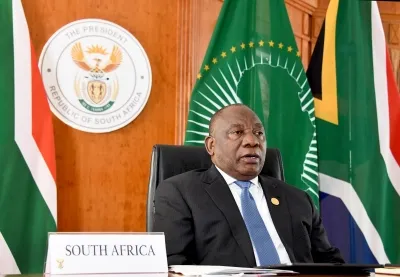
President Cyril Ramaphosa renewed calls for slavery reparations in a newsletter released on 4 May 2025 , coinciding with Africa Month .
He demanded reparations include foreign direct investment , market access, technology transfers, and the unconditional return of stolen artifacts .
A UN General Assembly resolution in March 2025 recognised slavery as the "gravest crime against humanity" and called for reparatory justice.
The United States , Israel , and Argentina voted against the resolution; EU members abstained .
Ramaphosa directly linked Africa's rising debt burden to the enduring economic legacy of colonial exploitation and the slave trade.
South African President Cyril Ramaphosa has renewed calls for slavery reparations as Africa Month commemorations begin across the continent, arguing that centuries of exploitation and the systematic looting of African resources continue to inflict lasting economic damage on African nations. In a newsletter released on Monday, 4 May 2025, Ramaphosa linked the continent's rising debt levels directly to the enduring economic legacy of slavery and colonial exploitation.
What Ramaphosa Is Demanding
Reparations, according to Ramaphosa, must go beyond financial compensation. He called for increased foreign direct investment, expanded market access for countries affected by slavery, technology and skills transfers, and the unconditional return of cultural artifacts stolen from the continent centuries ago. Many of these artifacts, he noted, remain on display in European museums.
"Not only were millions of Africans enslaved, but colonial powers grew wealthy from the vast tracts of African land they forcibly occupied and the valuable resources they extracted," Ramaphosa said, as reported by Xinhua News Agency.
The Historical Case He Makes
Ramaphosa described the transatlantic slave trade as not merely the theft of human lives but a centuries-long system from which former enslavers derived immense wealth. "The most extreme form of dehumanisation was the transcontinental slave trade perpetrated by European empires and slave-trading networks across the Sahara and North Africa," he said. "For more than a hundred years, millions of African men, women, and children were hunted down, captured, and traded not as people, but as possessions."
He emphasised that this accumulated wealth, compounded by the looting of cultural artifacts, laid the structural foundations for the economic disparities that African nations continue to grapple with today.
The UN Resolution That Backs His Position
Ramaphosa's remarks follow a United Nations General Assembly resolution passed in March 2025 that recognised slavery as the "gravest crime against humanity." A majority of member nations supported the resolution, which calls for reparatory justice — including formal apologies, financial compensation, and restitution. Notably, the United States, Israel, and Argentina voted against it, while European Union member states abstained, signalling the deep geopolitical fault lines that continue to complicate the reparations debate.
Why It Matters for Africa's Development
According to Ramaphosa, reparations could provide critical support for the continent's developmental goals and help nations manage rising debt levels — burdens he argues are a direct consequence of colonial extraction rather than misgovernance alone. This framing is significant: it shifts the narrative on African debt from domestic policy failure to a structural injustice rooted in historical exploitation. As African nations face mounting pressure from international creditors, the reparations argument is increasingly being deployed as a geopolitical and economic lever. The debate is expected to intensify as Africa Month events unfold across the continent through May 2025.
Point of View
And the UN resolution gives it multilateral legitimacy. But the abstentions from EU members, who are the primary targets of these demands, reveal the limits of moral consensus translating into financial commitment. The more interesting question is whether framing African debt as a reparations issue can reshape creditor negotiations at the IMF and World Bank — institutions whose structural adjustment programmes have historically deepened the very inequalities Ramaphosa is describing. Rhetoric and resolutions are one thing; binding mechanisms are another.
NationPress
20 Sept 2026
Frequently Asked Questions
What reparations is Cyril Ramaphosa calling for?
Ramaphosa is calling for reparations that go beyond financial compensation to include increased foreign direct investment, expanded market access, technology and skills transfers, and the unconditional return of cultural artifacts stolen from Africa. He made these demands in a newsletter released on 4 May 2025 during Africa Month.
What did the UN General Assembly resolution on slavery say?
The UN General Assembly passed a resolution in March 2025 recognising slavery as the 'gravest crime against humanity' and calling for reparatory justice, including formal apologies, financial compensation, and restitution. The United States, Israel, and Argentina voted against it, while EU member states abstained.
How does Ramaphosa connect slavery to Africa's current debt crisis?
Ramaphosa argues that centuries of colonial exploitation and the slave trade systematically looted African resources and generated immense wealth for former colonial powers, creating structural economic disadvantages that directly contribute to Africa's rising debt levels today.
Why did EU countries abstain from the UN slavery resolution?
The EU member states abstained from the UN General Assembly resolution on slavery reparations, reflecting the deep political and financial sensitivities around accepting legal or financial liability for colonial-era actions. Their abstention signals reluctance to commit to binding reparatory frameworks despite not outright opposing the resolution.
What is Africa Month and why is it significant here?
Africa Month is commemorated every May across the African continent to celebrate African heritage, culture, and development. Ramaphosa chose this platform to amplify the reparations debate, giving his remarks continental visibility and framing reparations as integral to Africa's broader developmental agenda.