Ramaswamy Meets Cincinnati FOP, Backs Law-and-Order Push
Synopsis
Vivek Ramaswamy met Fraternal Order of Police leaders in Cincinnati on June 18, 2026, calling for restored law and order in U.S. cities and pledging support for law enforcement against progressive criminal-justice reforms. The visit underscores his continued alignment with Republican policing priorities in a key swing state.
Key Takeaways
Vivek Ramaswamy met local Fraternal Order of Police leaders in Cincinnati, Ohio on June 18, 2026 .
He called for restoring 'law and order' in U.S. cities without yielding to 'leftist anti-police activists.' The FOP is the largest sworn-officer union in the United States , making its endorsement politically consequential.
The visit aligns with a Republican policy tradition that intensified after 2020 in opposition to 'defund the police' measures.
Ramaswamy has personal ties to Cincinnati , where he was born to Indian-American parents, adding local credibility to the outreach.
Policy watchers will monitor Ohio state legislation on qualified immunity and police-recruitment incentives as potential follow-through arenas.
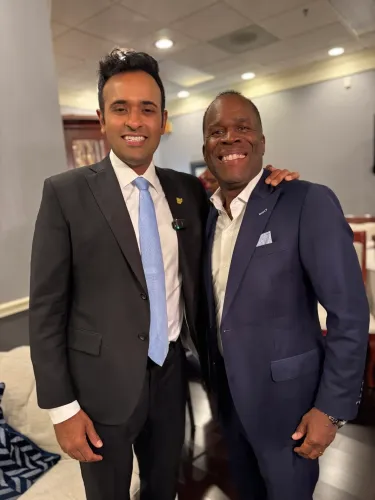
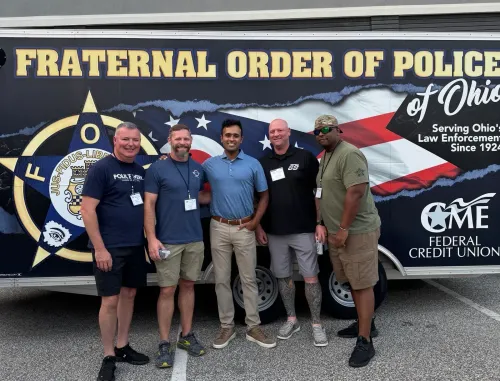
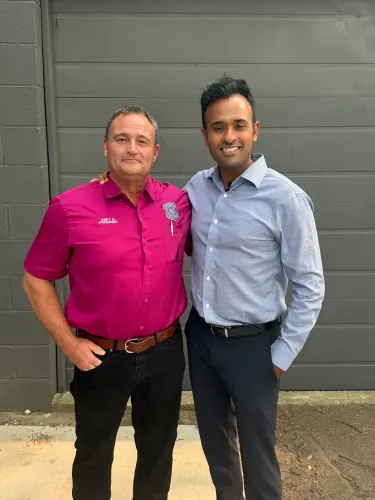
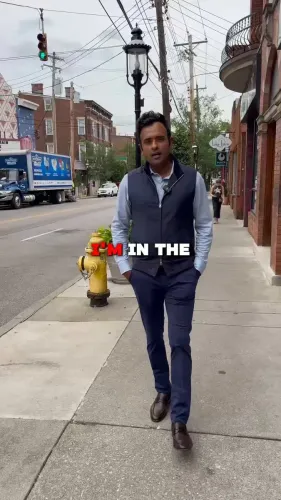
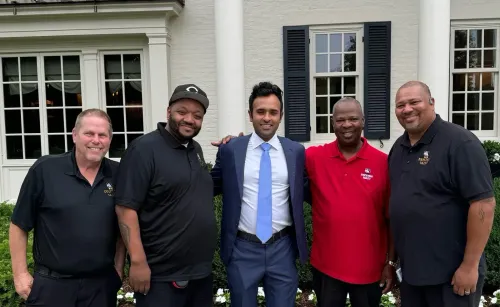
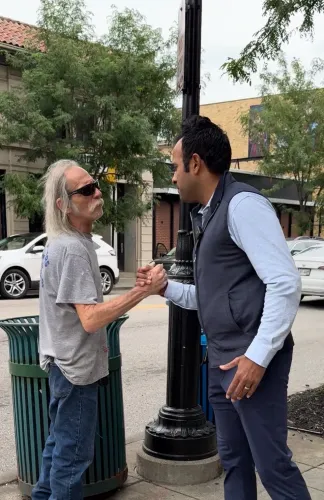
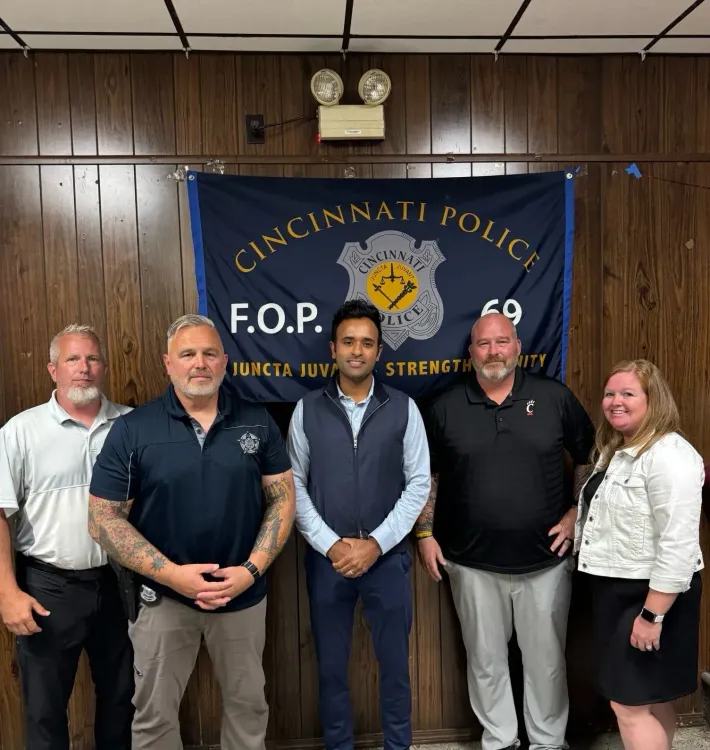
Entrepreneur and former DOGE co-lead Vivek Ramaswamy on Wednesday, June 18, 2026, met with local leaders of the Fraternal Order of Police (FOP) in Cincinnati, Ohio, reaffirming his support for law enforcement and calling for a restoration of public order in American cities without yielding to what he described as 'leftist anti-police activists.'
Context
In the post, Ramaswamy wrote: 'It's time to bring law and order back to our cities without bending the knee to leftist anti-police activists. Good meeting with the local FOP leaders in Cincinnati, we've got your back.' The statement positions him squarely alongside the Fraternal Order of Police, the largest sworn-officer union in the United States, which has historically been an influential endorser in presidential and gubernatorial contests.
Cincinnati is a major city in the swing state of Ohio, making the visit politically significant. Ramaswamy, who was born in Cincinnati to Indian-American parents, has deep personal ties to the city, lending the meeting additional resonance beyond standard campaign-style outreach.
Policy Backdrop
The messaging draws directly from a Republican policy line that crystallised after 2020, when a wave of progressive municipal governments moved to redirect or reduce police funding following nationwide protests. That 'defund the police' movement became a central fault line in 2022 and 2024 electoral cycles, with GOP candidates consistently using law-and-order contrasts to appeal to suburban and working-class voters.
Homicide rates in several large U.S. cities spiked between 2020 and 2022 before beginning to recede, a period that Republican strategists leveraged to argue that progressive criminal-justice reforms had weakened public safety. Ramaswamy's remarks fit squarely within that established rhetorical and policy tradition, echoing positions taken by other senior GOP figures in swing-state urban areas.
Stakeholders and Impact
For rank-and-file police officers, statements of this kind from high-profile national figures carry symbolic weight, particularly as many departments continue to grapple with recruitment shortfalls and morale challenges that accelerated after 2020. The FOP's local chapters in Ohio have been active in lobbying the state legislature on issues including qualified immunity, pension protections, and officer-recruitment incentives.
Urban residents in Cincinnati and comparable mid-sized American cities stand as the other primary stakeholder group. Debates over policing strategy directly affect neighbourhood safety outcomes, and any shift in municipal or state policy prompted by sustained political pressure from figures like Ramaswamy could reshape how resources are allocated to law enforcement in Ohio.
What's Next
Observers will watch whether Ramaswamy's Cincinnati visit translates into concrete advocacy at the Ohio state level, including potential support for legislation on qualified immunity reform or police-recruitment funding. Local policing budget deliberations in Cincinnati and the broader trajectory of Ohio criminal-justice legislation are the immediate policy arenas to monitor. As Ramaswamy continues to maintain a national public profile following his DOGE tenure, engagements of this kind signal a sustained interest in shaping the Republican Party's urban-governance agenda ahead of future electoral cycles.
Point of View
He maximises both authenticity and symbolic resonance. The move fits a broader Republican strategy of keeping the 'defund the police' debate alive as a mobilising contrast with Democratic urban governance. Whether it translates into legislative influence in Ohio or signals a future electoral bid will determine its long-term significance.
NationPress
18 Sept 2026
Frequently Asked Questions
Why did Vivek Ramaswamy meet Cincinnati FOP leaders?
Ramaswamy met local Fraternal Order of Police leaders in Cincinnati on June 18, 2026, to express support for law enforcement and advocate for restoring law and order in U.S. cities, positioning himself against progressive criminal-justice reforms.
What is the Fraternal Order of Police?
The Fraternal Order of Police is the largest sworn-officer union in the United States, representing police officers and engaging in advocacy on criminal justice, funding, and legislative issues at local, state, and federal levels.
What does 'defund the police' mean and why is Ramaswamy opposing it?
'Defund the police' refers to a movement that gained prominence after 2020 calling for reallocation of municipal police budgets toward social services. Ramaswamy, along with other Republican figures, opposes this approach, arguing it undermines public safety.
Is Vivek Ramaswamy running for office in Ohio?
As of June 2026, Ramaswamy has not announced a formal candidacy for Ohio office, but his continued public engagements in the state keep speculation alive about a potential future run.
What is Vivek Ramaswamy's connection to Cincinnati?
Vivek Ramaswamy was born in Cincinnati, Ohio, to Indian-American parents, giving him personal ties to the city that lend additional credibility to his local political outreach.