Ramaswamy: Cut Red Tape to Fix Housing, Energy Costs
Synopsis
Entrepreneur Vivek Ramaswamy argues that cutting land-use red tape to build more homes and expanding energy production — with savings passed directly to ratepayers — are the correct remedies for America's housing and electricity cost crises.
Key Takeaways
Ramaswamy posted on August 6, 2026 calling for deregulation as the primary fix for high housing and energy costs.
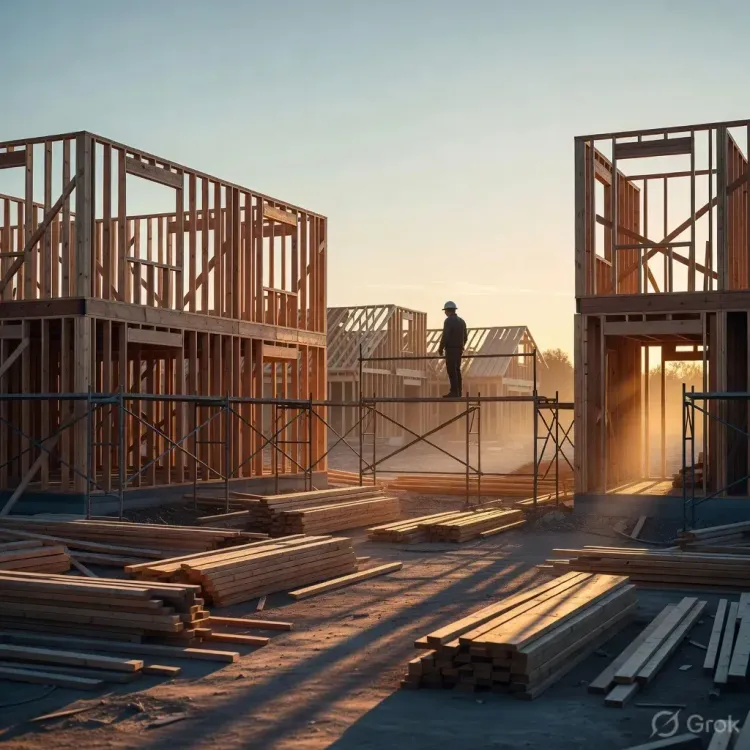
He argues that building more homes by cutting red tape and land-use restrictions is the right way to reduce housing costs.
On electricity, he calls for producing more energy and delivering savings 'straight to ratepayers,' bypassing intermediaries.
The position aligns with Ramaswamy's role as former DOGE co-lead, where he examined federal rules that inflate consumer costs.
State-level zoning reform and federal permitting bottlenecks for energy projects are the live policy arenas his argument speaks to.
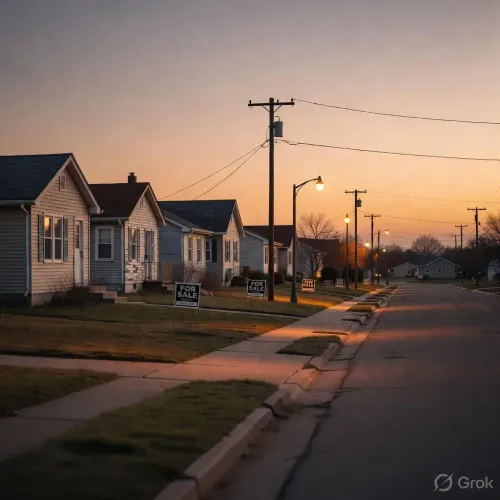
Two of America's most stubborn kitchen-table problems — runaway housing costs and soaring electric bills — have a common cure, entrepreneur Vivek Ramaswamy argued on Thursday, August 6, 2026: get government out of the way and let supply do the work.
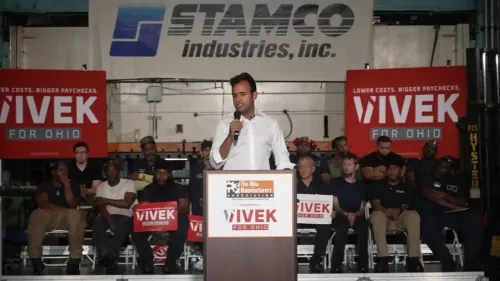
Posting to his X account, Ramaswamy laid out a two-part thesis with characteristic bluntness: 'The right way to bring down the cost of housing is to build more homes by cutting red tape and land use restrictions. The right way to cut electric bills is to produce more energy and deliver the benefits straight to ratepayers.'
The supply-side logic behind the argument
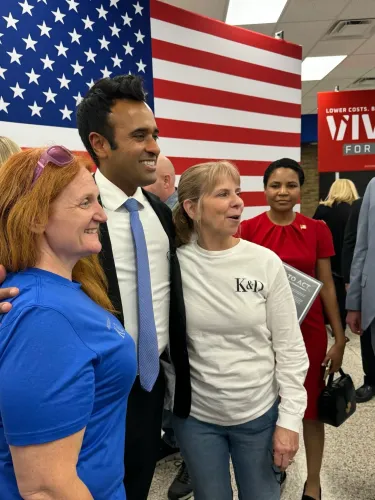
The position is not new — but who is saying it, and from what platform, matters. Ramaswamy, founder and executive chairman of Strive Asset Management and former co-lead of the US Department of Government Efficiency (DOGE) advisory effort, carries institutional weight on deregulation. His argument tracks a well-worn economic consensus: housing affordability crises in cities from San Francisco to Austin have been traced repeatedly to restrictive zoning, lengthy permitting timelines, and minimum-lot rules that physically prevent new construction. The fix, in this view, is not subsidies — it is supply. The same logic applies to electricity. When generation capacity is constrained by slow federal permitting or state-level project approvals, wholesale energy costs rise and ratepayers absorb the difference. Ramaswamy's framing — 'deliver the benefits straight to ratepayers' — is a pointed signal that efficiency gains should bypass intermediaries and land in household bills.Where deregulation debates stand in 2026
Both fronts are live battlegrounds. On housing, a wave of state-level zoning reform bills — from California's accessory-dwelling-unit laws to Montana's single-family zoning rollback — has tested whether loosening land-use rules actually moves the needle on rents. Early evidence is cautiously positive in markets where construction followed reform. On energy, federal permitting timelines for new generation projects remain a flashpoint, with grid operators warning that clean-energy buildout is bottlenecked not by technology but by regulatory queues stretching years. For Ramaswamy, who spent months inside the DOGE framework examining where federal rules inflate consumer costs, the two issues are expressions of the same structural problem: government-imposed scarcity. The debate he is re-entering is one where the loudest disagreements are not about the diagnosis — most economists agree supply constraints drive up prices — but about which specific rules to cut, who bears the transition costs, and whether deregulation alone is sufficient for lower-income households already priced out of both markets. Those are the questions his next move will have to answer.Point of View
He is staking out a position that puts him at odds with progressive housing advocates and utility-sector incumbents alike. The DOGE lineage is deliberate: it signals that this is not just campaign rhetoric but a policy posture backed by months of institutional audit work. The harder test, as reform efforts in multiple states have shown, is whether political coalitions can hold long enough to actually rezone land and fast-track permits before the next election cycle resets the agenda.
NationPress
6 Aug 2026
Frequently Asked Questions
What did Vivek Ramaswamy say about housing costs?
Ramaswamy said the right way to bring down housing costs is to build more homes by cutting red tape and land-use restrictions, not through subsidies or price controls.
What is Vivek Ramaswamy's solution to high electricity bills?
He argues for producing more energy and passing the savings directly to ratepayers, cutting out intermediaries that absorb efficiency gains.
What is DOGE and what was Ramaswamy's role?
DOGE — the Department of Government Efficiency advisory effort — was a US initiative to identify and cut wasteful federal regulation and spending. Ramaswamy served as its co-lead before stepping back from that role.
Does deregulation actually lower housing costs?
Early evidence from states like California and Montana that relaxed zoning rules suggests supply does increase where construction follows reform, though economists note deregulation alone may not help the lowest-income households.
Why are energy permitting timelines a problem in the US?
Federal and state permitting queues for new power generation projects can stretch years, constraining supply and keeping wholesale electricity prices elevated — a bottleneck Ramaswamy's argument directly targets.