Ramaswamy Hikes Hocking Hills, Links Conservatism to Conservation
Synopsis
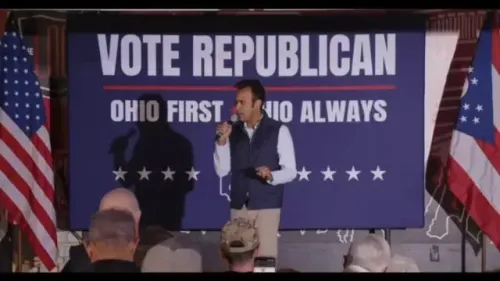
Entrepreneur Vivek Ramaswamy hiked Ohio's Hocking Hills with family on June 7, 2026, posting that conservatism and conservation go together. The outing renews attention to a long-standing but contested Republican tradition of linking right-of-centre politics with land stewardship.
Key Takeaways
Vivek Ramaswamy hiked Hocking Hills , Ohio with his family on Sunday, June 7, 2026 .
He posted that 'conservatism and conservation go together in Ohio,' linking political identity to environmental stewardship.
The Theodore Roosevelt -era Republican tradition of conservation, dating to 1901 , underpins this rhetorical framing.
Hocking Hills is a major outdoor recreation destination in southeastern Ohio with significant tourism and economic value for the state.
Ramaswamy's continued public presence in Ohio keeps his profile active among Republican voters following his 2024 presidential run.
Ohio legislative activity on state park funding and conservation easements remains a policy area to watch in upcoming sessions.
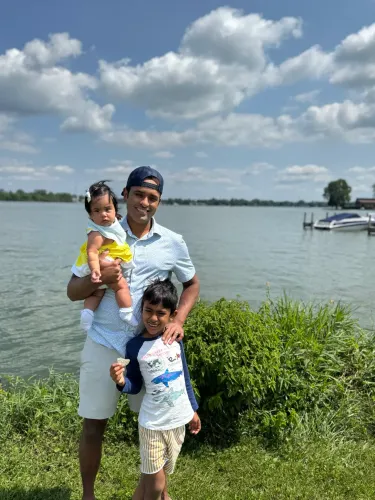
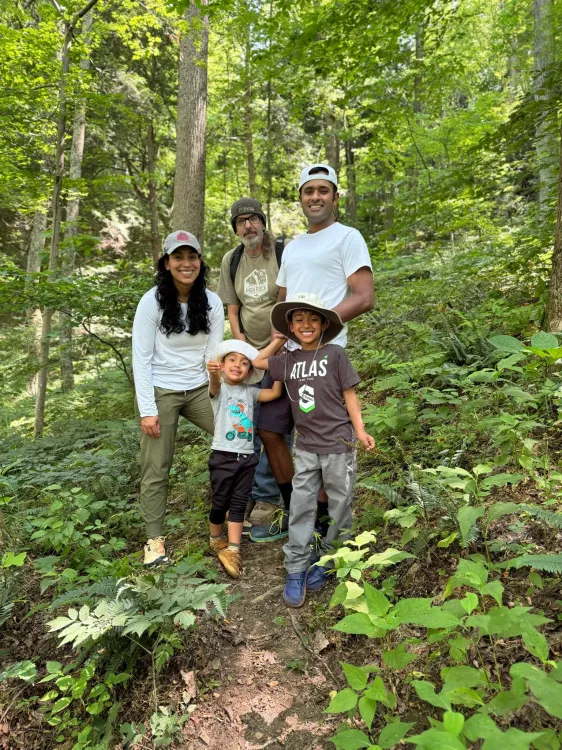
Entrepreneur Vivek Ramaswamy took to social media on Sunday, June 7, 2026, sharing that he spent the afternoon hiking trails at Hocking Hills in Ohio with his family, using the outing to draw a philosophical connection between conservative politics and environmental stewardship.
Context
Ramaswamy posted on X that 'conservatism and conservation go together in Ohio,' framing his family hike through the scenic Hocking Hills trail network as more than a leisure activity. He noted he enjoyed conversations with fellow hikers, including a new acquaintance named Jason, who joined the group for the trek.
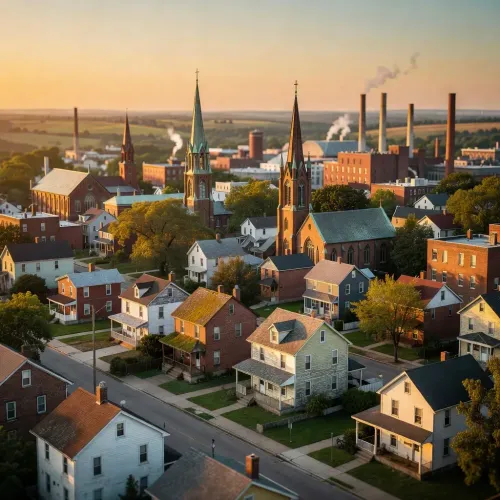
Hocking Hills is a popular outdoor destination in southeastern Ohio, known for its forested trails, waterfalls, and rock formations. It draws visitors from across the Midwest and serves as a symbol of the state's natural recreational assets.
Policy Backdrop
The rhetorical link Ramaswamy draws between conservatism and conservation has a long historical lineage within the Republican Party. President Theodore Roosevelt, beginning in 1901, championed the creation of the US Forest Service and helped establish the national parks system — a legacy some Republican figures periodically invoke to argue that land stewardship is a natural conservative value.
In recent years, however, the Republican Party has more often been associated with energy development, deregulation, and skepticism of federal environmental mandates. Ramaswamy's framing represents a strand of conservative thought that seeks to reclaim the party's older conservation identity without endorsing contemporary climate policy frameworks.
Stakeholders and Impact
Ohio's outdoor recreation sector supports thousands of jobs and draws significant tourism revenue, making state park funding and public lands access politically relevant issues for both parties. The state's Republican-led government has navigated tensions between energy interests and conservation advocates in recent legislative sessions.
For conservative voters in Ohio and beyond, Ramaswamy's post signals a personal alignment with land and nature that can resonate with rural and suburban constituencies who value outdoor recreation. The casual, family-oriented framing also reinforces his continued public presence in the state following his 2024 presidential campaign.
What's Next
Observers will watch whether Ramaswamy translates this personal messaging into formal policy advocacy — for instance, around state park funding, conservation easements, or public lands access in Ohio. His continued appearances and commentary in the state keep his profile active among Republican voters as the broader party debates its environmental positioning ahead of future electoral cycles.
The post underscores a broader pattern: prominent conservative figures using personal, lived experiences in nature to argue that environmental stewardship and right-of-centre politics are not inherently at odds — a framing that could gain traction as climate and land-use debates intensify at the state level.
Point of View
He taps a tradition that resonates with rural and outdoors-oriented voters without committing to any specific policy. For an entrepreneur-politician maintaining a national profile from Ohio, such personal-lifestyle messaging serves a dual function: humanising his public image while keeping a policy door open. Whether it translates into concrete advocacy on public lands or state park funding will determine its lasting significance.
NationPress
24 Oct 2026
Frequently Asked Questions
Where did Vivek Ramaswamy go hiking in Ohio?
Ramaswamy hiked the trails at Hocking Hills, a scenic outdoor area in southeastern Ohio, with his family on June 7, 2026.
What did Vivek Ramaswamy mean by 'conservatism and conservation go together'?
He used the phrase to argue that conservative political values are compatible with — and historically linked to — environmental stewardship and land conservation, drawing on a Republican tradition dating back to Theodore Roosevelt.
Is Vivek Ramaswamy still politically active in 2026?
Yes. Ramaswamy remains publicly active as the founder and executive chairman of Strive Asset Management and a prominent Republican voice following his 2024 presidential campaign and his role as former co-lead of the DOGE advisory effort.
What is Hocking Hills known for?
Hocking Hills is a popular outdoor destination in southeastern Ohio, known for its forested hiking trails, waterfalls, and distinctive rock formations that attract visitors from across the Midwest.
Does the Republican Party have a history of environmental conservation?
Yes. The GOP's conservation tradition dates to President Theodore Roosevelt, who established the US Forest Service and helped create the national parks system starting in 1901, though the party's modern stance on environmental regulation has evolved significantly since then.