Ramaswamy unveils housing affordability plan for young buyers
Synopsis
Vivek Ramaswamy, Strive founder and former DOGE co-lead, announced a housing affordability plan on August 14, 2026, targeting young Americans shut out of the property market by rising prices, high interest rates, and supply shortages. Details are forthcoming.
Key Takeaways
Entrepreneur Vivek Ramaswamy announced a housing affordability plan on August 14, 2026 , directed at young Americans struggling to buy homes.
Ramaswamy explicitly validated young buyers' frustration, stating their difficulty in affording homes is real — a notable framing from a Republican voice.
US housing affordability has deteriorated since the 2010s due to restrictive zoning, supply constraints, and elevated interest rates.
Ramaswamy's background as Strive Asset Management founder and former DOGE co-lead suggests a likely supply-side, deregulatory approach to the plan.
Specific policy details of the plan had not been publicly released at the time of the announcement.
Congressional and state-level uptake will be the key test of whether the plan moves beyond the announcement stage.
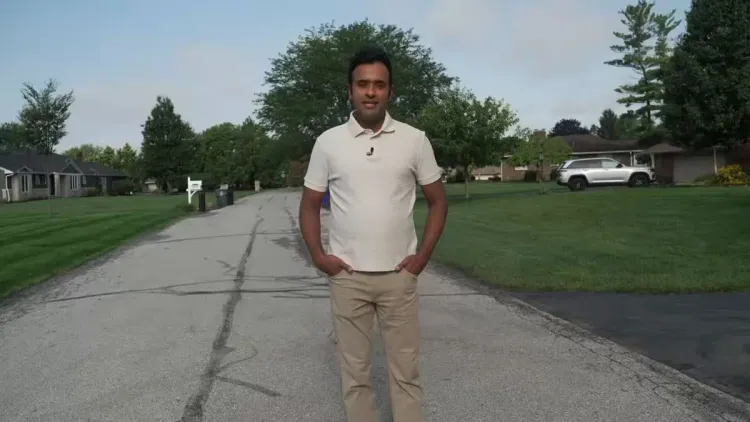
The housing crisis has a new protagonist. Entrepreneur and former DOGE co-lead Vivek Ramaswamy stepped into one of America's sharpest generational fault lines on Friday, August 14, 2026, announcing a plan aimed squarely at young Americans locked out of homeownership — and framing it as a problem he intends to solve, not merely discuss.
A generation priced out — and why it matters now
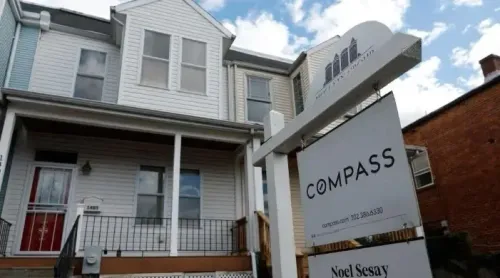
Ramaswamy's post cuts to the core of a crisis that has defined a generation: US home prices have surged relentlessly since the 2010s, compounded by restrictive zoning laws, constrained housing supply, and a prolonged period of elevated interest rates. For millions of young Americans, the traditional milestone of homeownership has shifted from a goal to a near-impossibility. Ramaswamy's framing — 'young people say it's too hard to afford a home and they're right' — is a notable concession from a Republican voice, validating the frustration rather than deflecting it.
Where Ramaswamy's plan fits the Republican housing debate
Across party lines, housing affordability has cycled through the policy arena with proposals ranging from federal deregulation and zoning reform to first-time buyer subsidies and tax incentives. The specifics of Ramaswamy's plan have not yet been detailed publicly beyond the announcement, but his political profile — Strive Asset Management founder, 2024 Republican presidential candidate, and former co-lead of the Department of Government Efficiency (DOGE) advisory effort — signals a likely emphasis on supply-side deregulation and reducing government friction rather than direct subsidy programmes. His DOGE pedigree suggests the plan may target federal regulatory barriers that inflate construction costs or slow permitting.
The political stakes of owning the housing issue
Housing has become a rare pressure point where voter frustration transcends partisan identity. Young voters, historically a Democratic constituency, have grown increasingly volatile on economic issues — and a credible Republican housing agenda could reshape that calculus. By releasing a plan rather than a talking point, Ramaswamy signals intent to compete on policy substance in a space where his party has often been outflanked. Whether the details deliver on the ambition of the announcement is the question that will define its impact.
The full contours of the plan are expected to emerge in the coming days. Congressional and state-level responses will determine whether it gains traction beyond the announcement cycle — or becomes another entry in a long list of housing proposals that stalled between promise and legislation.
Point of View
Left-leaning voters. By anchoring the announcement in the lived frustration of young buyers rather than abstract market principles, he is testing whether a supply-side, deregulatory pitch can compete emotionally with subsidy-focused Democratic proposals. His DOGE association adds an efficiency-reform lens that could differentiate the plan — but also invite scrutiny over whether government-cutting instincts can genuinely expand housing access at scale. The real measure will come when the details land and face the friction of legislative reality.
NationPress
14 Aug 2026
Frequently Asked Questions
What is Vivek Ramaswamy's housing plan?
Ramaswamy announced a housing affordability plan on August 14, 2026, aimed at helping young Americans buy homes, but specific policy details had not been publicly released at the time of the announcement.
Why is housing unaffordable for young people in the US?
US housing affordability has declined since the 2010s due to a combination of rising home prices, restrictive zoning laws, limited housing supply, and elevated interest rates that push monthly mortgage costs beyond reach for many first-time buyers.
Who is Vivek Ramaswamy?
Vivek Ramaswamy is the founder and executive chairman of Strive Asset Management, a former co-lead of the Department of Government Efficiency (DOGE) advisory effort, and a 2024 Republican presidential candidate.
What did Ramaswamy say about young homebuyers?
Ramaswamy stated that young people are right when they say it is too hard to afford a home, and said he has a plan to fix the problem — validating the frustration before outlining a solution.
What kind of housing policy might Ramaswamy propose?
Given his background with DOGE and his market-oriented philosophy, analysts expect Ramaswamy's plan to lean toward supply-side measures such as deregulation, zoning reform, and reducing federal barriers to construction rather than direct buyer subsidies.