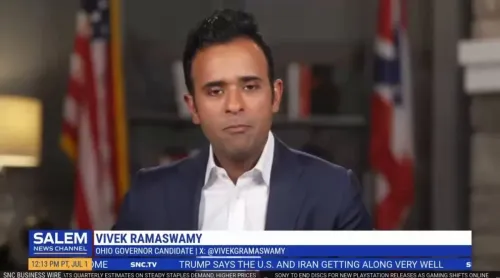
Vivek Ramaswamy: Cut Property Taxes to Fix Housing Crisis

Synopsis
Entrepreneur Vivek Ramaswamy, former DOGE co-lead and 2024 Republican presidential candidate, says the top concern he hears from voters in their 20s is homeownership affordability — and his fix is simple: cut property taxes and strip away construction red tape.
Key Takeaways
On August 1, 2026 , Vivek Ramaswamy posted that housing affordability is the top question he receives from voters in their 20s .
His two-part solution: reduce property taxes and eliminate regulatory barriers to new home construction.
The position mirrors the supply-side housing platform Ramaswamy championed during his 2024 Republican presidential campaign .
Rising home prices and interest rates since the late 2010s have made first-time homeownership increasingly difficult for Americans under 30.
State legislative sessions on property tax relief and zoning reform are the near-term arenas where these ideas will be tested.
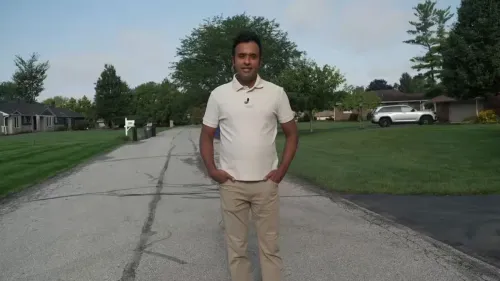
Young Americans want to own a home — and for millions of them, that dream is slipping further out of reach with every rate hike and zoning board delay. On Saturday, August 1, 2026, entrepreneur Vivek Ramaswamy — founder of Strive Asset Management and former co-lead of the Department of Government Efficiency (DOGE) advisory effort — put forward a two-point answer to the question he says dominates his conversations with voters in their 20s: slash property taxes and cut the red tape blocking new home construction.
The two-word diagnosis: taxes and red tape
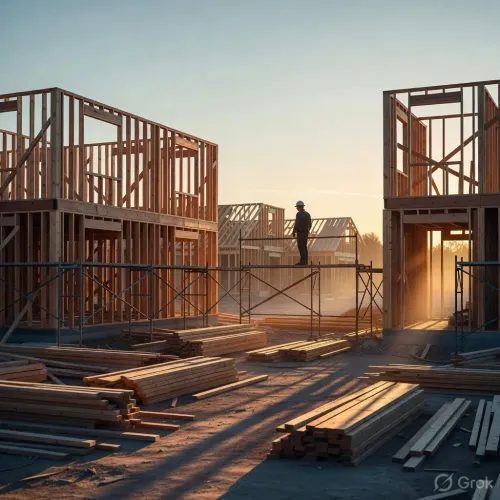
Ramaswamy's prescription is deliberately supply-side. Rather than calling for federal subsidies or down-payment assistance programs, he points to two structural barriers: the recurring cost burden of property taxes and the regulatory maze — zoning laws, permitting delays, and local building restrictions — that throttles how many new homes actually get built.
The logic is straightforward: if fewer homes are built, prices stay high. If property taxes remain steep, even buyers who clear the purchase hurdle face an ongoing affordability squeeze. Remove both friction points, the argument goes, and the market does the rest.
Why under-30 voters are at the centre of this debate
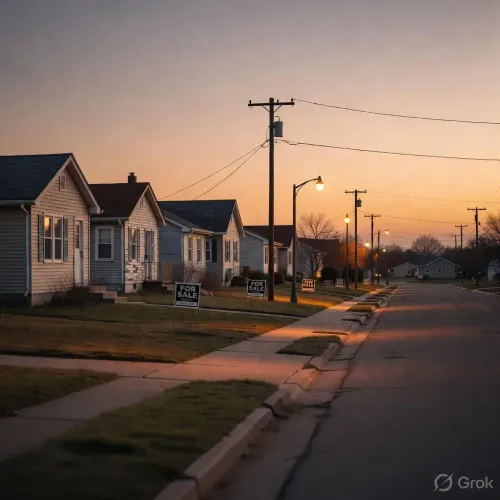
Housing affordability has shadowed multiple US election cycles since the late 2010s, as home prices and mortgage rates climbed in tandem. For Americans under 30, the numbers are especially punishing — a combination of student debt, stagnant entry-level wages, and a housing stock that simply hasn't kept pace with demand has pushed first-time homeownership rates to historic lows in many markets.
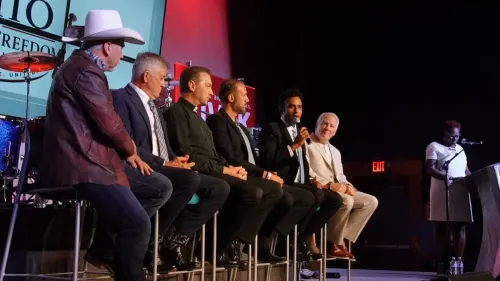
Ramaswamy flagged this constituency explicitly during his 2024 Republican presidential campaign, where his platform centred on deregulation and tax reduction as the primary levers for economic relief. The post signals he is keeping that lane active heading into a new political cycle.
A well-worn Republican playbook — but the details still matter
The supply-side housing argument is not new to Republican politics. State-level battles over zoning reform, property tax caps, and permitting timelines have played out in high-cost markets from Texas to California to Florida for years. What shifts with each election cycle is which politician owns the message most credibly with younger voters — a demographic that has historically leaned away from the GOP but is showing signs of movement on economic issues.
The real test will come in state legislative sessions weighing property tax relief bills and zoning overhauls, and in any federal-level efficiency proposals that carry a housing construction component.
If the generation that can't afford to buy eventually gets to vote on who fixes it, the politician with the clearest answer — not just the sharpest tweet — wins.
Point of View
A lane he has occupied since his 2024 presidential run. The framing is notable for what it excludes: no demand-side subsidies, no federal spending, no mention of interest rates — a deliberate contrast with Democratic approaches. By anchoring the message to voters in their 20s, he is contesting a demographic that Republicans have historically struggled to hold, signalling that economic anxiety among younger Americans is now a serious electoral battleground. Whether the argument moves beyond social-media positioning into concrete legislative proposals will determine its real political weight.
NationPress
15 Sept 2026
Frequently Asked Questions
What is Vivek Ramaswamy's plan to make housing more affordable?
Ramaswamy has proposed two measures: cutting property taxes to reduce the ongoing cost burden on homeowners, and removing regulatory red tape — such as zoning restrictions and permitting delays — that limits new home construction and keeps supply low.
Why is housing affordability a problem for young Americans?
A combination of rising home prices, higher mortgage interest rates since the late 2010s, student debt, and insufficient housing supply has pushed homeownership out of reach for many Americans under 30, making it a central economic concern for that age group.
What is Vivek Ramaswamy's background in politics and business?
Ramaswamy is the founder and executive chairman of Strive Asset Management. He ran for the Republican presidential nomination in 2024 and subsequently served as co-lead of the Department of Government Efficiency (DOGE) advisory effort under the Trump administration.
What is the supply-side approach to housing affordability?
The supply-side approach focuses on increasing the number of homes available — by easing zoning laws, speeding up building permits, and reducing taxes — rather than boosting buyers' purchasing power through subsidies or assistance programs.
Which US states are debating property tax relief and zoning reform?
High-cost states including Texas, California, and Florida have seen active debates over property tax caps and zoning overhauls, and these state legislative sessions are where supply-side housing proposals are most likely to be tested in the near term.