Baloch student 'disappeared' in Bahawalpur; rights body flags 507 cases in 2026
Synopsis
VBMP's protest against enforced disappearances in Balochistan has now entered its 6,405th consecutive day — and the cases keep coming. The latest: a Baloch student allegedly vanished from Bahawalpur on 29 October 2026. A BYC report puts the total at 507 disappearances in just the first six months of 2026, with 303 still missing and 32 killed in custody.
Key Takeaways
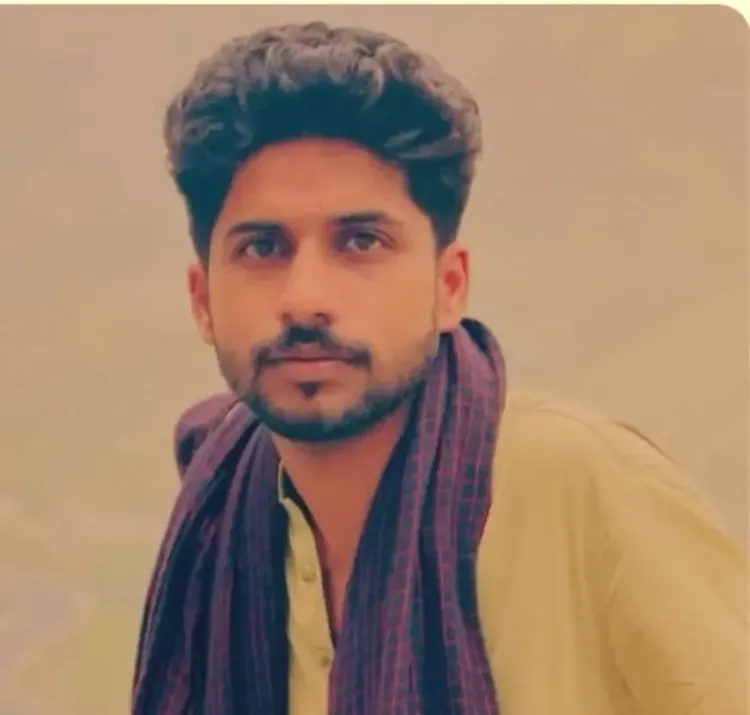
Taqleen Baloch , a Baloch student, was allegedly detained in Bahawalpur, Punjab , Pakistan, on 29 October 2026 and taken to an undisclosed location.
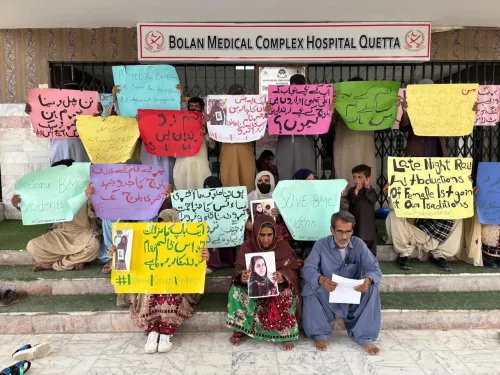
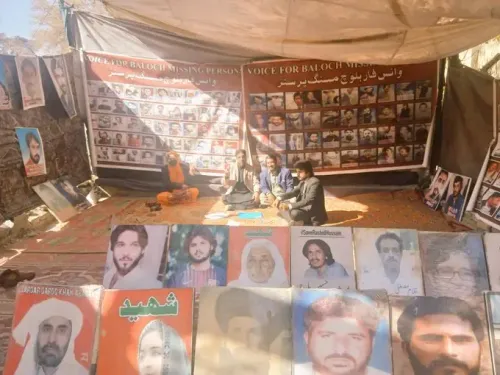
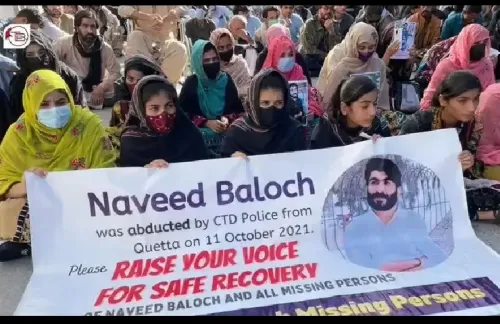
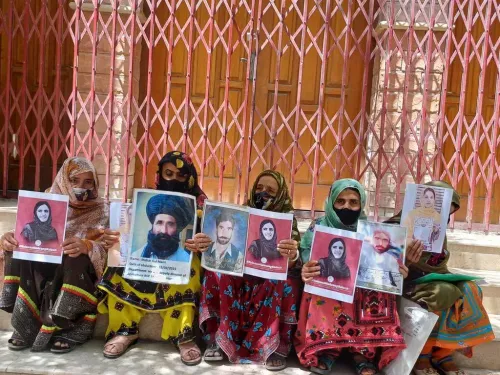
VBMP 's protest against enforced disappearances outside the Quetta Press Club has continued for 6,405 consecutive days .
The BYC documented 507 enforced disappearances in Balochistan in the first half of 2026 , including 44 minors and over 20 women .
Of those 507 cases, 303 remain missing , 32 were killed in custody , and 150 were released after short-term detention.
The Frontier Corps (FC) was linked to 180 cases , the CTD to 93 , and the army to 42 documented disappearances.
Detained activists Mahrang Baloch and Bebarg Baloch have reportedly been held since March last year and allegedly denied basic medical care.
Voice for Baloch Missing Persons (VBMP) has alleged that Taqleen Baloch, a Baloch student, was forcibly taken into custody in Bahawalpur, Punjab province, Pakistan, on 29 October 2026 and transferred to an undisclosed location — the latest in a documented surge of enforced disappearances targeting Baloch civilians across the country.
The Latest Incident
According to VBMP, Taqleen Baloch was allegedly detained in front of Japan Town on Haji Pur Road, Bahawalpur, at 3 PM on 29 October 2026. The organisation has demanded his immediate recovery. In a post on X, VBMP stated: 'VBMP has expressed concern over the enforced disappearance of Baloch student Taqleen Baloch and demanded their immediate recovery. Taqleen Baloch was allegedly taken into custody in front of Japan Town on Haji Pur Road, Bahawalpur, at 3 PM on October 29, 2026, and then transferred to an undisclosed location.'
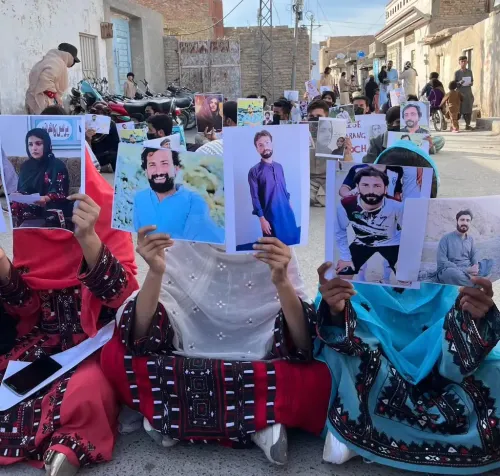
This comes as VBMP's protest camp against enforced disappearances outside the Quetta Press Club entered its 6,405th consecutive day — a figure that underscores the scale and longevity of the crisis. The organisation also expressed deep concern over the continued non-recovery of Zafar Baloch, Sohail Ahmed, and Fasihullah.
Scale of the Crisis: 507 Disappearances in Six Months
The fresh allegation mirrors a broader pattern documented by the Baloch Yakjehti Committee (BYC). According to BYC's Human Rights Department report, a total of 507 individuals were subjected to enforced disappearance by Pakistani state authorities, security agencies, and state-backed death squads in Balochistan during the first six months of 2026.
Of these, 150 were released after short-term detention, 32 were killed while in custody, and 303 remain missing with no information shared with their families. Among the victims were 44 minors and over 20 women. Quetta and Kech recorded the highest number of documented disappearances.
Forces Accused in BYC Report
The BYC linked the paramilitary Frontier Corps (FC) to 180 cases, the Counter Terrorism Department (CTD) to 93 cases, the army to 42 cases, and state-backed death squads to 20 documented cases. Several other cases reportedly involved combined operations by intelligence agencies, CTD, police, and death squads.
Separately, the BYC's Human Rights Department documented 150 killings of Baloch civilians — including 15 minors — in the first half of 2026. Panjgur recorded the highest number of killings, followed by Kech and Gwadar. State-backed death squads were cited as the major perpetrators, followed by the FC and the army, according to the BYC.
Activists in Detention, Denied Medical Care
The BYC has also raised alarm over the condition of detained Baloch activists Mahrang Baloch and Bebarg Baloch — the latter a specially-abled person — both of whom have reportedly been held since March last year. The BYC alleged that Pakistani authorities have repeatedly denied them access to basic medical care at the behest of intelligence agencies.
The BYC has accused Pakistani authorities of using various methods to torture and intimidate Baloch activists, allegations that the Pakistani government has not publicly addressed in the documents reviewed.
Context and What to Watch
The enforced disappearances in Balochistan have drawn repeated condemnation from international human rights bodies, though Pakistan's federal government has consistently denied systematic involvement. With VBMP's protest now past its 6,400th day and fresh cases continuing to emerge, pressure on Islamabad from regional and global rights groups is likely to intensify. Independent verification of these figures remains difficult given restricted access to Balochistan for journalists and observers.
Point of View
That is nearly three every day — is not a statistical footnote; it is a structural indictment. What makes this story harder to ignore is the specificity: named agencies, named districts, named victims, including minors and women. Pakistan's federal government has long treated Balochistan as a security file rather than a human rights one, but the 6,405-day protest outside the Quetta Press Club is a counter-narrative that refuses to be buried. The international community has condemned these patterns repeatedly without consequence; the real question is whether documented BYC evidence will finally move the needle at forums like the UN Human Rights Council.
NationPress
1 Nov 2026
Frequently Asked Questions
Who is Taqleen Baloch and what happened to him?
Taqleen Baloch is a Baloch student who was allegedly detained in front of Japan Town on Haji Pur Road, Bahawalpur, Punjab, Pakistan, at 3 PM on 29 October 2026. According to VBMP, he was then transferred to an undisclosed location, and his whereabouts remain unknown.
What is VBMP and what are they demanding?
Voice for Baloch Missing Persons (VBMP) is a human rights organisation that campaigns against enforced disappearances of Baloch civilians in Pakistan. It has been holding a continuous protest camp outside the Quetta Press Club for over 6,405 days and is demanding the immediate recovery of Taqleen Baloch as well as other missing persons including Zafar Baloch, Sohail Ahmed, and Fasihullah.
How many enforced disappearances were documented in Balochistan in 2026?
According to the Baloch Yakjehti Committee (BYC)'s Human Rights Department, 507 individuals were subjected to enforced disappearance in Balochistan in the first six months of 2026. Of these, 303 remain missing, 32 were killed in custody, and 150 were released after short-term detention.
Which Pakistani security forces have been accused in the BYC report?
The BYC linked the paramilitary Frontier Corps (FC) to 180 cases, the Counter Terrorism Department (CTD) to 93 cases, the army to 42 cases, and state-backed death squads to 20 documented disappearances. Several other cases allegedly involved combined operations between intelligence agencies, police, and CTD.
Who are Mahrang Baloch and Bebarg Baloch?
Mahrang Baloch and Bebarg Baloch — the latter a specially-abled person — are Baloch activists who have reportedly been in detention since March last year. The BYC alleges they have been repeatedly denied access to basic medical care by prison authorities acting at the behest of intelligence agencies.