Balochistan mine blast kills 34 coal miners; 7 labourers shot dead in Kech
Synopsis
In a single day, Balochistan lost at least 41 workers to two unconnected but equally preventable tragedies — a methane blast 4,000 feet underground near Quetta and the execution-style killing of seven abducted labourers in Kech. The HRCP's condemnation lands in a province where coal miners and daily-wage workers have long been treated as expendable by both the state and armed groups.
Key Takeaways
A methane gas explosion at a coal mine in the Sorange area near Quetta killed 34 miners ; 41 were inside when the blast occurred at 4,000 feet depth.
Rescue operations remain ongoing to recover miners still trapped under debris, per the PDMA .
Seven labourers abducted in Kech district were killed; six bodies with bullet wounds were found on Thursday .
The HRCP called for a swift, impartial investigation into the Kech killings and urgent reform of occupational health and safety standards.
Chief Inspector of Mines Muhammad Atif confirmed methane accumulation as the likely cause — consistent with the majority of Balochistan mine blasts.
The Human Rights Commission of Pakistan (HRCP) on Friday, 31 July strongly condemned two separate incidents in Balochistan that claimed at least 41 lives — a methane gas explosion at a coal mine near Quetta that killed 34 miners, and the killing of seven labourers by unidentified armed men in Kech district. The twin tragedies have intensified alarm over the safety and security of workers across the province.
The Mine Explosion Near Quetta
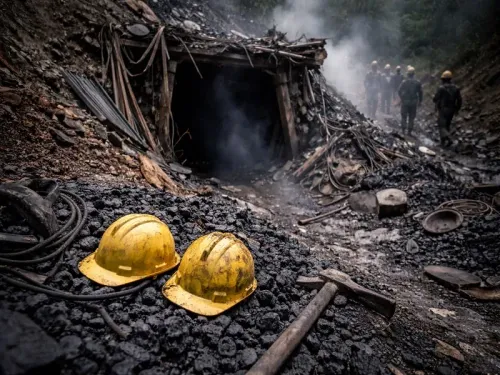
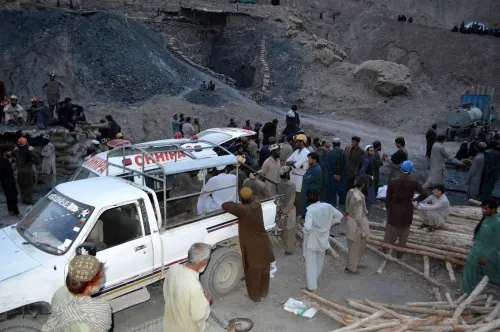
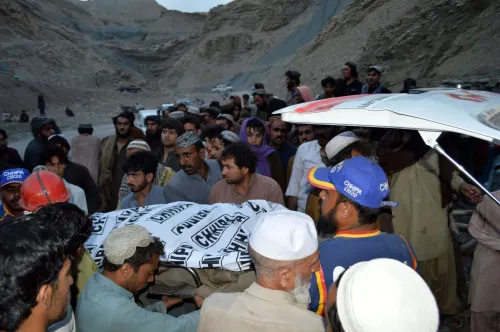
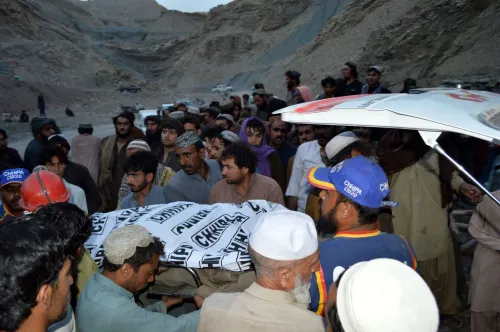
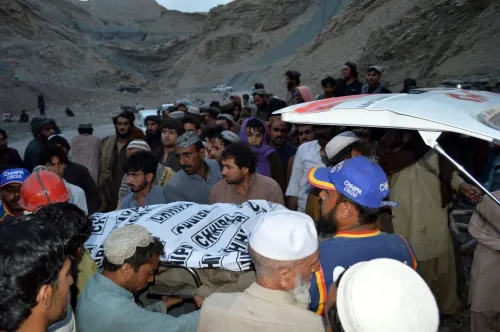
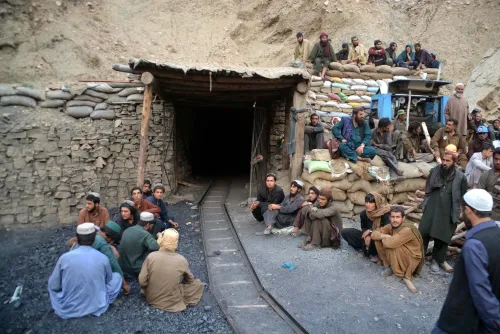
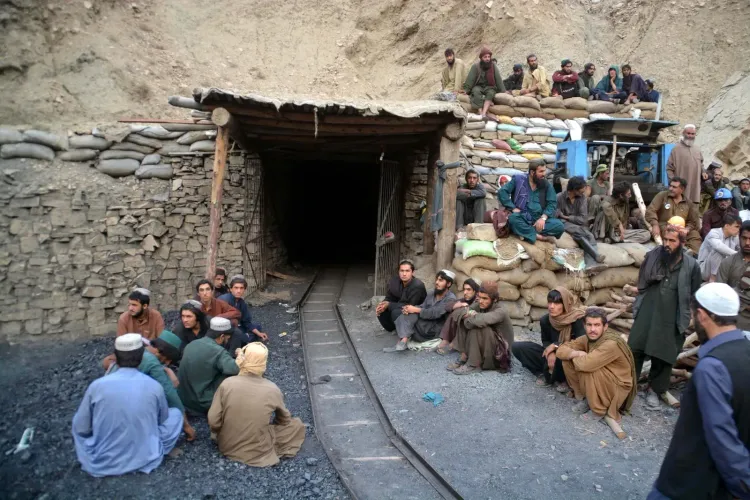
A methane gas explosion tore through a coal mine in the Sorange area near Quetta on Thursday, trapping dozens of workers underground. According to officials, 41 miners were inside the mine when the blast occurred at a depth of approximately 4,000 feet. The bodies of 34 miners have been recovered so far, with rescue operations still underway to locate those still trapped beneath the debris, according to the Provincial Disaster Management Authority (PDMA).
Chief Inspector of Mines Muhammad Atif was quoted as saying that the explosion was believed to have been caused by the accumulation of methane gas, which triggered a fire and the build-up of hazardous gases within the mine shaft. He noted that the majority of coal mine explosions in Balochistan have historically been attributed to methane gas accumulation. Teams from the mines department, rescue services, and the district administration are conducting ongoing recovery operations.
Labourers Killed in Kech District
In a separate incident, the bodies of six men — among seven labourers abducted earlier in the week — were discovered with bullet wounds on Thursday, according to police cited by The Balochistan Post. One of the victims was reportedly shot dead shortly after the abduction, while the remaining six were taken to an undisclosed location before being killed. The perpetrators remain unidentified, and no group has claimed responsibility.
HRCP Demands Action and Reform
The HRCP issued a sharp statement connecting both incidents to what it described as the systemic vulnerability of workers in Balochistan. 'While these tragedies stem from different causes, both underline the vulnerability of workers in Balochistan whose lives continue to be lost to violence, unsafe working conditions and systemic neglect,' the rights body said.
It called for 'a swift, impartial investigation into the killings in Kech to ensure that those responsible are brought to justice,' while also urging authorities to urgently strengthen occupational health and safety standards in the mining sector. 'Pakistan cannot continue to treat workplace safety as an afterthought,' the HRCP added, asserting that every worker has the 'right to life, dignity and security.'
A Pattern of Neglect in Balochistan's Mines
This is not an isolated tragedy. Balochistan's coal mining sector has long been plagued by inadequate safety infrastructure, poor enforcement of occupational health standards, and limited access for independent inspectors. The province holds some of Pakistan's largest coal reserves, yet miners routinely work in conditions that rights groups have repeatedly flagged as life-threatening. This comes amid broader insecurity in the province, where targeted killings of labourers and workers have been documented over several years.
The dual incidents on a single day underscore a compounding crisis — one where industrial hazard and armed violence intersect, leaving Balochistan's working population with little institutional protection. Whether the government moves beyond condemnation to enforceable reform remains to be seen.
Point of View
With little structural follow-through. The deeper problem is a regulatory vacuum: coal mines operating at 4,000-foot depths with methane risk and no credible inspection regime is not an accident waiting to happen — it is a policy choice. The Kech killings add a second, equally troubling layer: targeted violence against labourers in Balochistan has become routine enough to barely register nationally. Until Pakistan treats both mine safety enforcement and worker security as governance imperatives rather than post-tragedy talking points, the body count will keep rising.
NationPress
31 Jul 2026
Frequently Asked Questions
What caused the coal mine explosion near Quetta in Balochistan?
The explosion was caused by the accumulation of methane gas at a depth of approximately 4,000 feet in a coal mine in the Sorange area near Quetta, according to Chief Inspector of Mines Muhammad Atif. The gas build-up triggered a fire and the spread of hazardous gases through the mine shaft.
How many miners were killed in the Balochistan mine blast?
At least 34 miners were killed in the methane gas explosion. A total of 41 miners were inside the mine when the blast occurred, and rescue operations are still underway to recover those still trapped under the debris.
Who were the labourers killed in Kech district, Balochistan?
Seven labourers were abducted in Kech district earlier in the week. Six of their bodies, bearing bullet wounds, were recovered on Thursday; one victim was reportedly shot dead shortly after the abduction. The perpetrators remain unidentified.
What did the HRCP say about the Balochistan incidents?
The Human Rights Commission of Pakistan condemned both incidents, stating that they highlight the vulnerability of workers in Balochistan to violence, unsafe working conditions, and systemic neglect. It demanded a swift and impartial investigation into the Kech killings and called for urgent strengthening of occupational health and safety standards in Pakistan's mining sector.
Is coal mine safety a recurring problem in Balochistan?
Yes. According to Chief Inspector of Mines Muhammad Atif, the majority of coal mine explosions in Balochistan are caused by methane gas accumulation, indicating a persistent and systemic safety failure. Rights groups have repeatedly flagged inadequate safety infrastructure and weak enforcement in the province's coal mining sector.