Russia expands EU entry ban list over 21st sanctions package
Synopsis
Russia has hit back at the EU's 21st sanctions package by significantly widening its entry ban list — targeting European lawmakers, civil activists, and academics alongside officials. On the same day, Moscow formally demanded Japan remove US Typhon missile systems from Kyushu, linking the issue to Tokyo's recognition of post-WWII territorial outcomes. Two separate fronts, one message: Russia is pushing back on all flanks.
Key Takeaways
Russia significantly expanded its EU entry ban list on 18 September 2026 , in response to the bloc's 21st sanctions package adopted on 23 July .
The ban covers EU institution representatives, member state officials, European Parliament members who voted for anti-Russian resolutions, civil activists, and academics.
Russia's foreign ministry labelled the EU sanctions 'unlawful' and framed the bans as a 'symmetrical' response.
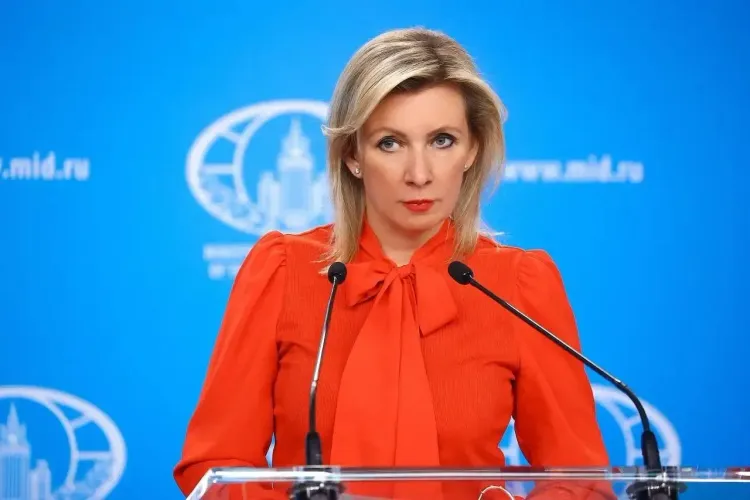
Russian Foreign Ministry spokeswoman Maria Zakharova demanded Japan remove US Typhon missile systems from Kyushu , citing a threat to Russian security.
A formal Russian note of protest was sent to Japan on 3 September ; Zakharova had earlier flagged objections on 1 September at the Eastern Economic Forum in Vladivostok .
Zakharova also demanded Tokyo recognise Russia's territorial claims over the southern Kuril Islands and halt its 'remilitarisation course.'
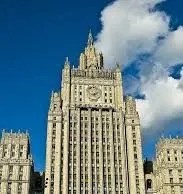
Russia has significantly widened its entry ban list targeting European Union representatives, citing the bloc's 21st package of anti-Russian sanctions adopted on 23 July, the Russian Ministry of Foreign Affairs announced on Friday, 18 September 2026. The move marks one of Moscow's broadest retaliatory measures against European officials and institutions in the ongoing sanctions standoff over the war in Ukraine.
Who Is Banned and Why
The Russian foreign ministry said the expanded list covers representatives of European institutions, EU member states, and several other European nations that have backed Brussels' anti-Russian policy. According to the ministry's statement, those named include individuals involved in decisions on providing military aid to Ukraine, conducting activities aimed at undermining Russia's territorial integrity, imposing sanctions, damaging Russia's ties with third countries, and obstructing Russian maritime navigation.
'Restrictive measures have also been imposed against 'civil activists' and representatives of academic communities in European states who hold hostile positions toward Russia, as well as members of national parliaments of EU member states and the European Parliament who voted for anti-Russian resolutions and draft laws,' the ministry said.
Moscow Labels EU Sanctions 'Unlawful'
The ministry framed the retaliatory bans as a direct response to what it called 'unlawful decisions' by the EU, reinforcing Moscow's longstanding position that Western sanctions violate international norms. This is the latest in a series of reciprocal ban expansions that Russia has implemented since the war in Ukraine began — each round typically following a new EU or G7 sanctions package.
The EU's 21st sanctions package, adopted in late July, was among the most expansive yet, targeting Russian energy revenues, defence-linked entities, and individuals accused of sanctions circumvention. Russia's counter-listing is consistent with its stated policy of 'symmetrical' responses, though critics argue the measures have limited practical effect on senior EU officials who rarely seek to enter Russia.
Russia Demands Japan Remove US Typhon Missile Systems
Separately, Russian Foreign Ministry spokeswoman Maria Zakharova on the same day demanded that Japan remove US Typhon ground-based missile launch systems from its territory. The Typhon system is designed for launching intermediate- and shorter-range missiles.
Zakharova said a formal note of protest was delivered to the Japanese side in both Moscow and Tokyo on 3 September, in connection with the deployment of the systems on the island of Kyushu. 'The deployment of Typhon launchers on Japanese territory was unacceptable under any pretext,' she said, demanding their removal.
Notably, Zakharova had previously flagged Russia's objections on 1 September at a briefing on the sidelines of the Eastern Economic Forum in Vladivostok, where she said the Japanese Embassy had been clearly informed that such deployments — even under the guise of military exercises — were 'absolutely unacceptable, as it poses a threat to Russia's security.'
Territorial Demands on Japan
Zakharova also used Friday's statement to reiterate longstanding Russian positions on Japan, demanding that Tokyo 'fully recognise the results of World War II, including the territorial aspects concerning the southern Kuril Islands,' and abandon what she described as Japan's 'remilitarisation course.' The Kuril Islands dispute has been a persistent source of tension between Russia and Japan for decades, preventing the two countries from signing a formal peace treaty after World War II.
Broader Context and What Comes Next
The dual announcements — the EU ban expansion and the Japan missile protest — reflect Russia's increasingly assertive diplomatic posture on multiple fronts as the Ukraine war enters its fourth year. Moscow appears to be using retaliatory listings and formal protests to signal resolve to both Western and Asian partners of the US-led alliance system.
Watch for Brussels' formal response to the ban expansion, and for Tokyo's reply to Russia's demand over the Typhon systems, which Japan has so far not publicly addressed.
Point of View
And the formal note of protest is a precursor to sharper action. The Kuril Islands linkage is the tell — Russia is framing Japan's hosting of US missiles as a betrayal of post-WWII norms, which could become a legal pretext for further bilateral pressure. Mainstream coverage tends to separate the EU and Japan dimensions; they should be read together as one coherent escalation posture.
NationPress
19 Sept 2026
Frequently Asked Questions
Why has Russia expanded its entry ban list against EU representatives?
Russia expanded the list in direct retaliation for the EU's 21st package of anti-Russian sanctions, adopted on 23 July 2026. The Russian Ministry of Foreign Affairs said it targets individuals involved in military aid to Ukraine, sanctions decisions, and what Moscow calls efforts to undermine Russia's territorial integrity.
Who is included in Russia's expanded EU entry ban?
The expanded ban covers representatives of European institutions and EU member states, European Parliament members who voted for anti-Russian resolutions and draft laws, civil activists, and academic community members in European states deemed hostile toward Russia.
What are the US Typhon systems and why is Russia objecting to them in Japan?
The Typhon is a US ground-based missile launch system designed for intermediate- and shorter-range missiles. Russia objects to their deployment on the Japanese island of Kyushu, arguing the systems pose a direct threat to Russian security and demanding their removal under any pretext.
What is Russia's position on the Kuril Islands dispute with Japan?
Russia demands that Japan fully recognise the results of World War II, including Russian sovereignty over the southern Kuril Islands — a territorial dispute that has prevented a formal Russia-Japan peace treaty for decades. Moscow used the Typhon missile row to reiterate this demand.
How significant are Russia's retaliatory entry bans in practice?
Critics argue the bans have limited practical effect, as they primarily target EU officials and legislators who would rarely seek to enter Russia under current conditions. However, the measures serve a political and signalling function, reinforcing Moscow's 'symmetrical response' posture to each new Western sanctions package.