Russia strikes Kyiv with hypersonic missiles days after Starobilsk college attack kills 21
Synopsis
Russia hit Kyiv with Kinzhal hypersonic and Tsirkon cruise missiles on 24 May — one of its most weapons-diverse single strikes in months — days after drones killed 21 students, aged 14 to 18, in a dormitory at the Starobilsk Professional College in Luhansk. The back-to-back strikes illustrate how rapidly the conflict is escalating on both sides.
Key Takeaways
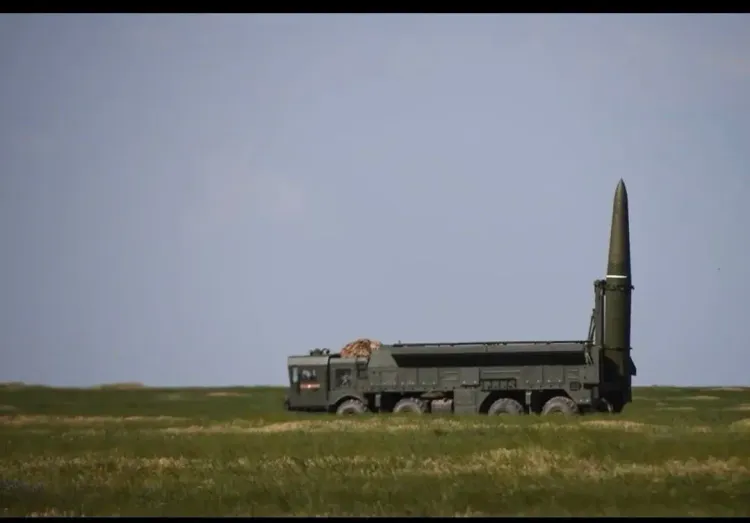
Russia struck Kyiv on 24 May using Kinzhal hypersonic missiles , Tsirkon cruise missiles , Iskander ballistic missiles, and attack drones.
The Russian Defence Ministry said targets included Ukrainian defence industry, military command posts, and intelligence directorate facilities.
Days earlier, four Ukrainian drones hit the Starobelsk Professional College dormitory in Luhansk region , killing 21 and injuring more than 60 .
At the time of the Starobilsk strike, 86 children aged 14 to 18 were present in the dormitory, officials said.
Russian Human Rights Commissioner Yana Lantratova blamed Western-supplied components for the student deaths, a claim Western governments have not accepted.
Investigations into the Starobilsk attack are ongoing; both sides offer conflicting accounts of responsibility.
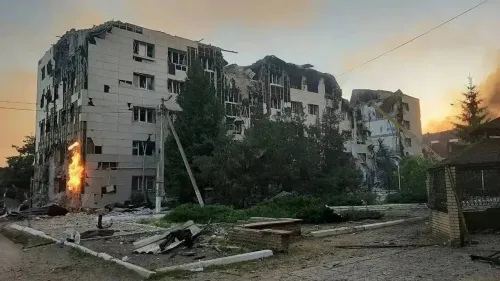
Russia launched a large-scale missile and drone assault on Kyiv and the Kyiv region on 24 May, deploying an array of advanced weapons including hypersonic missiles, days after four Ukrainian drones struck the Starobelsk Professional College in the Luhansk region, killing 21 students and injuring more than 60 others. The Russian Defence Ministry detailed both the weapons used and the targets struck, framing the Kyiv offensive as a response to what it described as Ukrainian military infrastructure.
Weapons Deployed in the Kyiv Strike
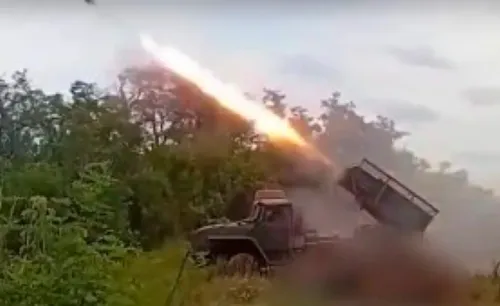
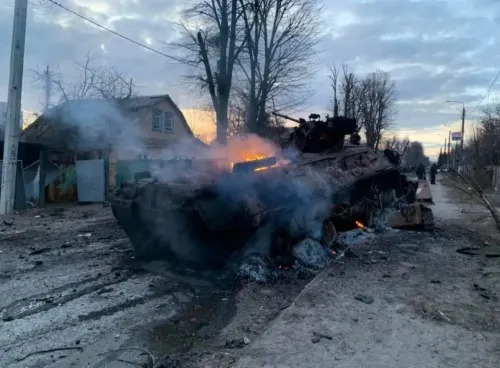
According to the Russian Defence Ministry's official Telegram channel, the assault on Kyiv employed 'ballistic missiles, Iskander air-launched ballistic missiles, Kinzhal hypersonic air-launched ballistic missiles, and Tsirkon cruise missiles, air-, sea-, and ground-based cruise missiles, and attack unmanned aerial vehicles.' The ministry said targets included 'Ukrainian defence industry, military infrastructure, as well as command posts of the General Command of the Ukrainian Ground Forces, the Main Directorate of Intelligence of the Ministry of Defence of Ukraine, and other command posts of the AFU.' It added that 'no strikes were planned or carried out against the civilian infrastructure of Ukraine.'
The Starobilsk College Attack: What Happened
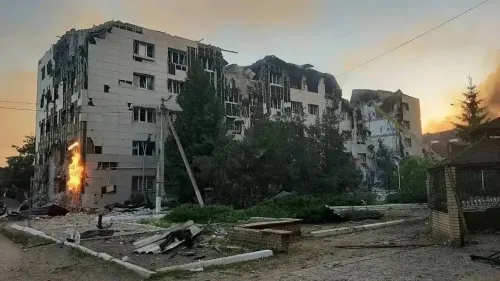
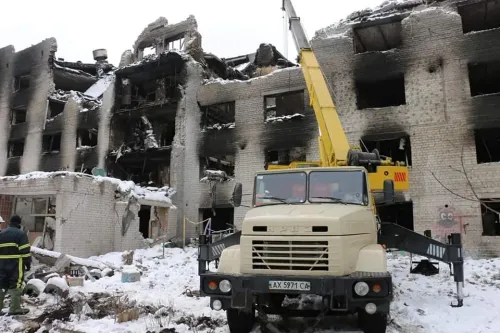
The drone strike on the Starobelsk Professional College — a teacher training institution in Russian-controlled Luhansk region — left 21 dead and more than 60 injured. At the time of impact, 86 children aged 14 to 18 were present in the dormitory, officials said. According to Elena Markovskaya, a spokesperson for the Investigative Committee of the Russian Federation for the LPR, 'Several drone strikes occurred, causing the floors to collapse. Emergency Ministry personnel were working here while searching for the bodies of the victims. The search is over.'
Russia Points to Western Components
Russian Human Rights Commissioner Yana Lantratova visited the site and directly addressed Western governments. 'There are fragments of enemy UAVs here, manufactured by foreign entities. I'm telling journalists here today that I'm appealing to Western powers: These drones and components that killed these children are being manufactured with your taxpayers' money,' she said, according to reports. The remarks are part of a broader Russian effort to assign responsibility for civilian casualties to Western military aid programmes — a claim that Western governments and Ukraine have consistently rejected.
Context and Broader Pattern
This comes amid an intensifying cycle of strikes and counter-strikes that has seen both sides target infrastructure and population centres, with each attack drawing accusations of war crimes from the other. The use of Kinzhal and Tsirkon missiles — among Russia's most advanced hypersonic systems — signals an escalation in the scale and sophistication of the Kyiv assault. Notably, Russia has previously denied targeting civilian sites even as international monitors have documented widespread damage to residential and civic infrastructure across Ukraine.
What Comes Next
The dual escalation — the Starobilsk dormitory strike and the Kyiv hypersonic assault — is expected to sharpen calls at the United Nations and among Western allies for additional air-defence systems for Ukraine. Investigations into the Starobilsk attack are ongoing, with both Russian and Ukrainian authorities offering conflicting accounts of responsibility.
Point of View
Tsirkon, Iskander in a single release — is as much a signalling exercise as a military communique, aimed at Western capitals as much as Kyiv. The Starobilsk dormitory deaths, with 86 teenagers present, hand Moscow a potent propaganda frame, and Lantratova's taxpayers'-money line is clearly scripted for international consumption. What mainstream coverage underplays is the symmetry of the horror: both strikes hit sites where young people were present, and neither side's official denial of civilian intent withstands scrutiny. The deeper story is the accelerating normalisation of strikes on educational and residential infrastructure — a pattern that will define war-crimes accountability debates long after the guns fall silent.
NationPress
22 Sept 2026
Frequently Asked Questions
What weapons did Russia use in the 24 May strike on Kyiv?
Russia used Kinzhal hypersonic air-launched ballistic missiles, Tsirkon cruise missiles, Iskander ballistic missiles, air-, sea-, and ground-based cruise missiles, and attack drones, according to the Russian Defence Ministry's official Telegram channel.
What happened at Starobilsk Professional College?
Four Ukrainian drones struck the academic building and dormitory of the Starobelsk Professional College in the Luhansk region, killing 21 students and injuring more than 60. At the time of the attack, 86 children aged 14 to 18 were present in the dormitory.
Did Russia target civilian infrastructure in the Kyiv strike?
The Russian Defence Ministry stated that 'no strikes were planned or carried out against the civilian infrastructure of Ukraine,' saying targets were limited to defence industry sites, military command posts, and intelligence facilities. Independent verification of these claims was not immediately available.
What did Russia's Human Rights Commissioner say about the Starobilsk attack?
Russian Human Rights Commissioner Yana Lantratova said fragments of foreign-manufactured UAVs were found at the site and appealed to Western powers, claiming the drones 'were manufactured with your taxpayers' money.' Western governments have not accepted responsibility for the attack.
What is expected to happen next following these strikes?
The back-to-back escalation is expected to intensify calls at the United Nations and among Western allies for additional air-defence systems for Ukraine. Investigations into the Starobilsk attack are ongoing, with conflicting accounts from Russian and Ukrainian authorities.