EU-3 pushing 'unacceptable conditions' for Ukraine deal, says Russia
Synopsis
Russia has flatly rejected the five-point Ukraine peace framework agreed by Britain, France, Germany, and Zelenskyy at Downing Street on 7 June, calling the conditions 'unacceptable' and citing EU foreign policy chief Kaja Kallas's own admission that Europe is not a neutral party. Moscow's dismissal signals that the gap between Western preconditions and Russian red lines is as wide as ever.
Key Takeaways
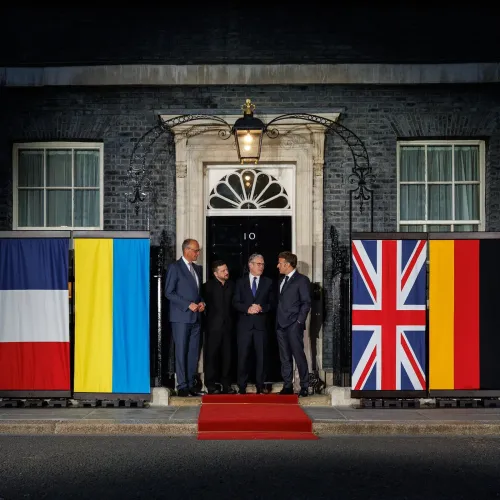
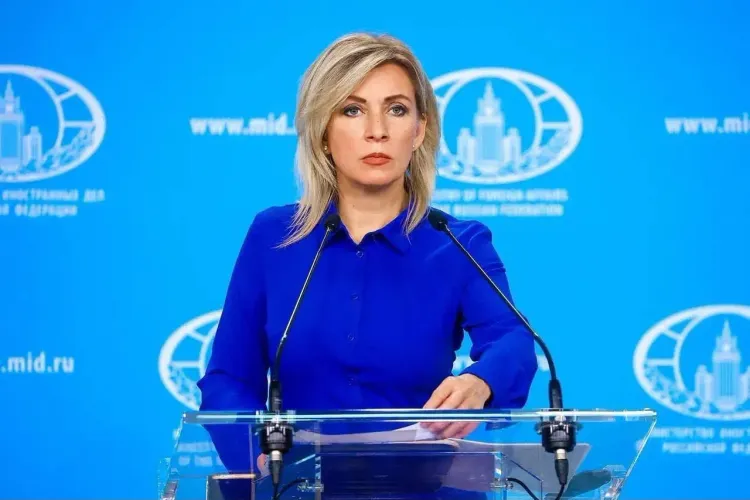
Russia's Foreign Ministry spokesperson Maria Zakharova on 11 June called EU-3 conditions for a Ukraine settlement 'unacceptable.' The EU-3 — Britain , Germany , France — along with Ukraine issued a five-point peace framework after a 7 June summit at Downing Street .
Conditions include an immediate ceasefire, no border changes by force, security guarantees for Ukraine, a multinational force, and frozen Russian assets pending war compensation.
Kremlin spokesperson Dmitry Peskov accused the three European leaders of simultaneously calling for peace while arming Kyiv with long-range weapons.
Moscow cited EU foreign policy chief Kaja Kallas 's 28 May statement — that Europe will never be a neutral mediator — as evidence of Europe's partisan stance.
Russia's Foreign Ministry on Thursday, 11 June accused the EU-3 grouping — comprising Britain, Germany, and France — of advancing conditions for a Ukraine settlement that Moscow regards as fundamentally unacceptable. The charge came as diplomatic tensions over the path to peace in Ukraine deepened between Russia and its Western interlocutors.
What Russia Said
Foreign Ministry spokesperson Maria Zakharova stated that European powers are 'pursuing a course aimed at preventing the creation of conditions for negotiations on a truly comprehensive, just and lasting peace.' She dismissed the joint statement issued by the three European leaders following their 7 June meeting at Downing Street as recycled positions already floated in the Copenhagen and Burgenstock formats between 2022 and 2024, which Russia characterised as support for the 'dead-end Zelensky formula.'
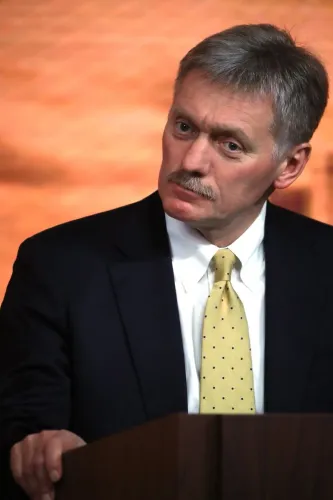
Kremlin spokesperson Dmitry Peskov also weighed in, describing the stances of France, Germany, and Britain as contradictory. According to Zakharova, Peskov argued that while these leaders publicly call for peace, they are simultaneously increasing the production of long-range weapons for Kyiv and pushing for the militarisation of both Ukraine and Europe.
The Downing Street Conditions
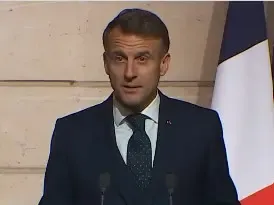
The 7 June summit at Downing Street brought together French President Emmanuel Macron, German Chancellor Friedrich Merz, British Prime Minister Keir Starmer, and Ukrainian President Volodymyr Zelenskyy. Their joint statement laid out five conditions for initiating a settlement process.
These include an immediate and complete ceasefire; a guarantee that international borders cannot be altered by force; full respect for Ukraine's right to choose its own security arrangements and alliances; robust and legally binding security guarantees for Ukraine, including the deployment of a multinational force; and the maintenance of the freeze on Russian sovereign assets until Russia compensates for war damages. The statement also stipulated that any negotiations touching on the EU or NATO would require the consent of EU member states and NATO allies.
The Kallas Admission Moscow Is Citing
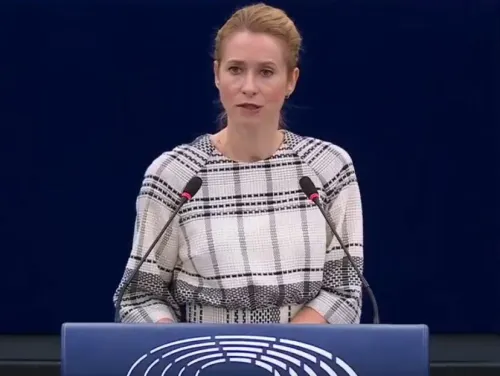
Zakharova highlighted remarks by EU foreign policy chief Kaja Kallas from 28 May as evidence of Europe's true posture. Kallas reportedly stated: 'Europe will never be a neutral mediator between Russia and Ukraine, because we are on Ukraine's side and defending our own security interests.' Moscow argues this confirms that Europe is seeking to enter any eventual negotiations as part of a unified Western-Ukrainian bloc rather than as an impartial party.
What This Means for Negotiations
The exchange underscores the widening gap between Western preconditions and Russia's stated red lines ahead of any potential peace process. Notably, this is not the first time Moscow has rejected European-backed frameworks — similar objections were raised during the 2022–2024 multilateral formats. With Europe deepening its military support for Kyiv and Russia hardening its diplomatic language, the prospects for near-term negotiations remain uncertain. All eyes are now on whether any back-channel dialogue can bridge positions that, publicly at least, appear irreconcilable.
Point of View
But Kallas's candid admission that Europe is not a neutral mediator hands Moscow a genuine rhetorical weapon. The five conditions — particularly the asset freeze and multinational force deployment — were always going to be non-starters for the Kremlin, raising the question of whether the EU-3 statement was designed for diplomacy or for domestic and alliance optics. What is striking is that three years into the conflict, the architecture of Western engagement has not produced a credible off-ramp, and both sides are now publicly entrenching positions that make even preliminary talks harder to convene. The real risk is that the gap between Western preconditions and Russian red lines becomes self-reinforcing.
NationPress
20 Sept 2026
Frequently Asked Questions
What conditions did the EU-3 set for a Ukraine settlement?
The EU-3 — Britain, Germany, and France — along with Ukraine outlined five conditions at a 7 June Downing Street summit: an immediate and complete ceasefire, no forcible change of international borders, respect for Ukraine's right to choose its own alliances, legally binding security guarantees including a multinational force, and maintenance of frozen Russian assets until Russia compensates for war damages.
Why did Russia reject the EU-3 conditions?
Russia's Foreign Ministry called the conditions 'unacceptable,' arguing they are not genuinely aimed at peace but at advancing Western interests. Spokesperson Maria Zakharova said the same ideas had already failed in the Copenhagen and Burgenstock formats between 2022 and 2024, and that Europe was simultaneously arming Kyiv while claiming to seek negotiations.
What did Kaja Kallas say that Russia highlighted?
EU foreign policy chief Kaja Kallas stated on 28 May that 'Europe will never be a neutral mediator between Russia and Ukraine, because we are on Ukraine's side and defending our own security interests.' Moscow cited this as an admission that Europe intends to enter negotiations as part of a unified Western-Ukrainian bloc rather than as an impartial mediator.
Who attended the 7 June Downing Street meeting?
French President Emmanuel Macron, German Chancellor Friedrich Merz, British Prime Minister Keir Starmer, and Ukrainian President Volodymyr Zelenskyy met at Downing Street on 7 June and issued a joint statement setting out the five-point settlement framework.
What is the current outlook for Russia-Ukraine peace negotiations?
The outlook remains uncertain. Russia has rejected the Western framework as a repackaging of previously failed proposals, while Europe has publicly acknowledged it is not a neutral party. With both sides hardening their public positions and military support for Kyiv continuing, analysts see little near-term prospect of substantive talks.