Russia rules out NATO war but warns nuclear shield talk shifts Europe's calculus
Synopsis
Russia's Ambassador to Germany delivered a dual message in Berlin: no desire for war with NATO, but a stark warning that European nuclear shield discussions could trigger a fundamental shift in Russia's strategic posture — including invocation of its nuclear doctrine. Putin's Victory Day speech, framing the Ukraine conflict as a battle against the entire NATO bloc, reinforced the confrontational undertone.
Key Takeaways
Russian Ambassador Sergey Nechayev stated on 10 May that Russia does not want war with NATO or Germany .
He warned that European discussions on a joint "nuclear shield" could change the strategic situation on the continent and force Russia to invoke its nuclear doctrine .
Nechayev said Russia "cannot guarantee anything" if faced with expanding nuclear threats from Europe.
President Vladimir Putin at the Victory Day parade on Red Square described Russia's forces in Ukraine as fighting an "aggressive force" backed by the entire NATO bloc.
The parade marked the 81st anniversary of the Soviet Union's victory in the Great Patriotic War .
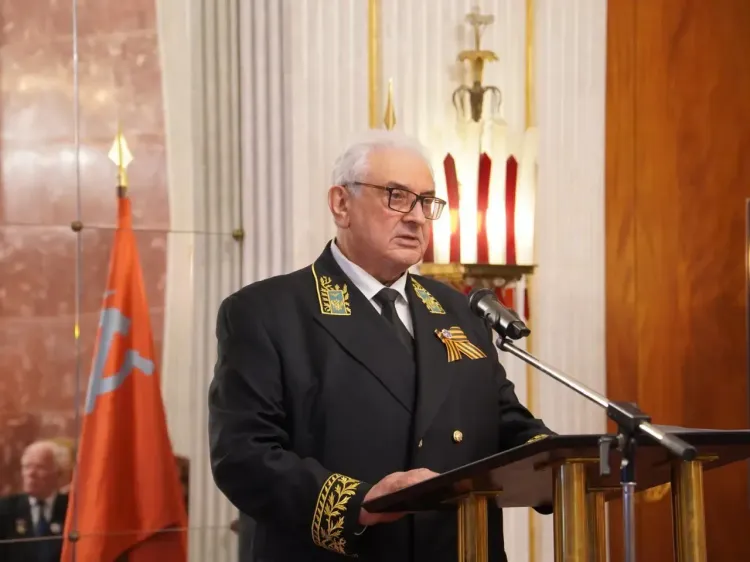
Russian Ambassador to Germany Sergey Nechayev declared on Sunday, 10 May that Russia has no intention of going to war with NATO or Germany, but cautioned that growing European discussions around a joint "nuclear shield" could fundamentally alter the strategic balance on the continent. The remarks were made during the panel discussion "Peace through Dialogue" in Berlin, according to reports citing Russia's state-owned news agency TASS.
Key Statements from the Ambassador
Ambassador Nechayev was unambiguous about Russia's stated position: "We don't want a war with NATO, let alone a war with Germany." However, he immediately followed that assurance with a sharp warning. Referring to recent European proposals for a shared nuclear deterrent, he stressed, "This is no joke," adding that "if we're talking about expanding the nuclear threat, then a completely different strategic situation arises in Europe."
The Ambassador further warned that in such a scenario, Russia would be compelled to invoke its nuclear doctrine. "If we have to face such military attempts, then we will not be able to guarantee anything," he said.
The Nuclear Shield Debate in Context
Nechayev's remarks come amid an intensifying European debate over whether the continent needs its own nuclear deterrence framework, independent of or complementary to the United States. France and several other European nations have floated concepts of a shared nuclear umbrella as concerns over long-term US commitment to European security have grown. Russia has consistently framed such discussions as provocative escalation.
Notably, this is not the first time Moscow has signalled that European nuclear discussions could trigger a recalibration of its strategic posture. The pattern of issuing measured warnings alongside diplomatic reassurances has become a recurring feature of Russian foreign policy communications in the current conflict environment.
Ambassador's Broader Message to European Citizens
In a separate interview with the Berliner Zeitung newspaper on Friday, Nechayev painted a picture of the signals ordinary Europeans are receiving. "Imagine an ordinary individual on the street. What is this person hearing, which signals is he receiving from Europe? That Russia is an enemy and an existential threat. That a war with Russia is inevitable. That a strategic defeat should be inflicted on Russia. That Ukraine should be 'flooded' with weapons — drones and long-range missile systems," he said, according to reports.
Putin's Victory Day Address Adds to the Rhetoric
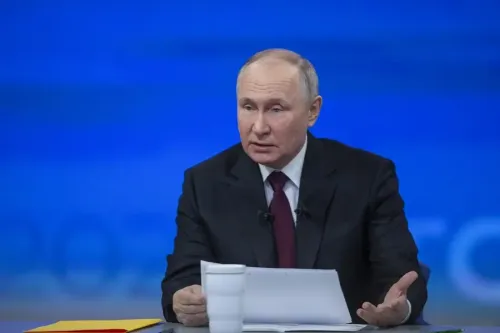
The Ambassador's comments were preceded by remarks from Russian President Vladimir Putin on Saturday during the annual Victory Day parade on Red Square in Moscow, marking the 81st anniversary of the Soviet Union's victory in the Great Patriotic War. Putin described Russia's soldiers in Ukraine as confronting an "aggressive force armed and supported by the entire NATO bloc."
"The great feat of the victorious generation inspires the soldiers carrying out special military operations today. They are confronting an aggressive force armed and supported by the entire NATO bloc. And yet, our heroes continue to move forward," Putin said during his speech.
What to Watch Next
The dual messaging — diplomatic reassurance from Berlin and confrontational framing from Moscow — underscores the fragile state of Russia-NATO relations. European capitals are expected to respond to Nechayev's nuclear doctrine warning through official channels, while the broader debate over a European nuclear shield is likely to intensify in the weeks ahead.
Point of View
Bracketed by Putin's Victory Day rhetoric casting NATO as an aggressor in Ukraine, is not coincidental. What mainstream coverage often underplays is the degree to which Russia is responding to a real European policy shift: the nuclear umbrella debate is no longer fringe. If France or Germany formalise any shared deterrence framework, Moscow has now put on record that its strategic calculus will change — and that ambiguity is precisely the point.
NationPress
23 Sept 2026
Frequently Asked Questions
What did Russian Ambassador Sergey Nechayev say about a war with NATO?
Ambassador Sergey Nechayev stated that Russia does not want a war with NATO or Germany, speaking at a panel discussion in Berlin on 10 May. However, he warned that European discussions around a joint nuclear shield could fundamentally alter the strategic situation in Europe and compel Russia to invoke its nuclear doctrine.
What is the 'nuclear shield' or 'nuclear umbrella' that Russia is warning about?
The nuclear shield refers to proposals being discussed in Europe for a shared nuclear deterrence framework, potentially involving France and other European nations, aimed at reducing reliance on US nuclear guarantees. Russia views such discussions as an escalatory expansion of the nuclear threat in Europe.
What did President Putin say at the Victory Day parade?
President Vladimir Putin, speaking at the Victory Day parade on Red Square in Moscow on Saturday, said Russia's soldiers in Ukraine are fighting an 'aggressive force armed and supported by the entire NATO bloc.' The parade marked the 81st anniversary of the Soviet Union's victory in the Great Patriotic War.
What would Russia do if a European nuclear shield is established?
Ambassador Nechayev warned that Russia would be forced to remind everyone of its nuclear doctrine and stated that Russia could not 'guarantee anything' if faced with expanding nuclear threats from Europe. He described such a scenario as creating 'a completely different strategic situation' on the continent.
Where did Ambassador Nechayev make these remarks?
Nechayev made the nuclear warning at the 'Peace through Dialogue' panel discussion in Berlin on Sunday, 10 May. He had also given a related interview to the Berliner Zeitung newspaper on Friday, outlining the mixed signals he believes European leaders are sending to their own citizens about Russia.