Russian Navy delegation visits Southern Naval Command, Indian Naval Academy in Kerala
Synopsis
A six-member Russian Navy team visited Kerala's Southern Naval Command and Indian Naval Academy from 27 September to 1 October — the latest in a rapid sequence of India-Russia military engagements that also includes Army Chief General Dhiraj Seth's first visit to Russia in eight years and an Jaishankar-Lavrov meeting in New York. The pattern signals a deliberate effort to sustain and deepen institutional defence ties even as India broadens its strategic partnerships globally.
Key Takeaways
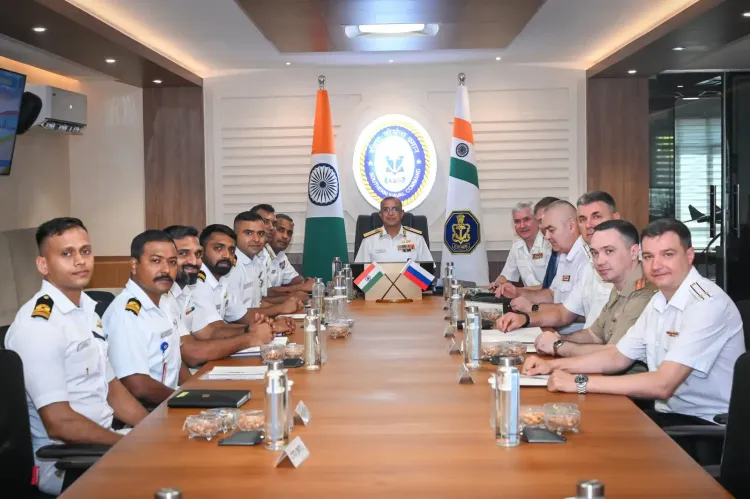
A six-member Russian Navy delegation led by Captain 1st Rank Sergei V Saitov visited Southern Naval Command and Indian Naval Academy in Kerala from 27 September to 1 October 2026 .
Discussions covered maritime cooperation, interoperability enhancement, and institutional linkages between the two navies.
External Affairs Minister S Jaishankar and Russian Foreign Minister Sergei Lavrov met in New York last week, reaffirming the 'special and privileged' strategic partnership.
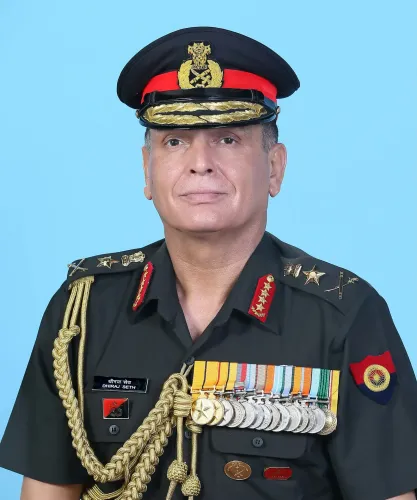
Army Chief General Dhiraj Seth completed a three-day official visit to Russia last month — the first Indian Army chief's visit in eight years .
The string of high-level engagements reflects India's policy of maintaining active defence ties with Russia alongside diversified global partnerships.
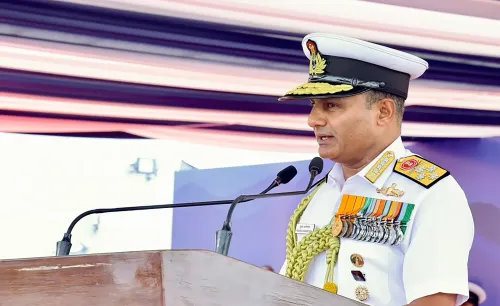
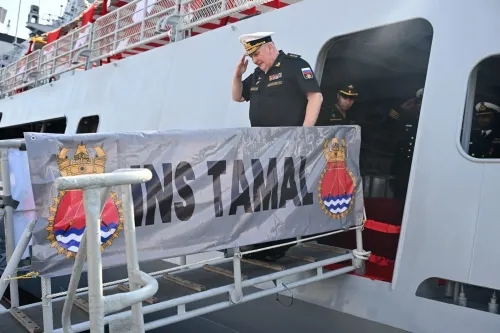
A six-member Russian Navy delegation led by Captain 1st Rank Sergei V Saitov visited the Southern Naval Command and the Indian Naval Academy in Kerala from 27 September to 1 October 2026, deepening the bilateral naval partnership between India and Russia. The Indian Navy confirmed the visit on Saturday, 3 October, calling it 'a reflection of the enduring naval partnership between India and Russia.'
What the Delegation Assessed
During the five-day visit, the Russian delegation familiarised itself with the Indian Navy's overall training architecture, infrastructure, and facilities at both the Southern Naval Command and the Indian Naval Academy. Discussions, according to the Indian Navy, explored avenues to deepen maritime cooperation, enhance interoperability, and further consolidate institutional and professional linkages between the two navies.
Broader India-Russia Defence Engagement
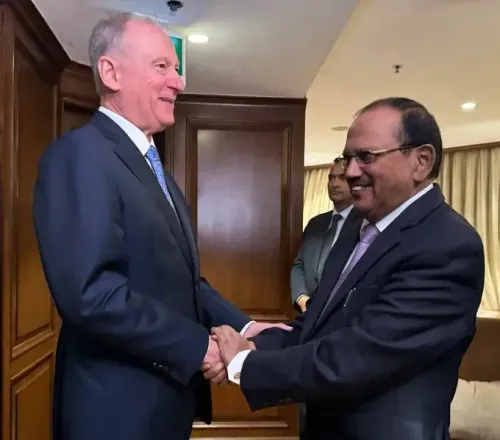
The naval visit is part of a broader pattern of intensified India-Russia defence diplomacy in recent weeks. Last week, External Affairs Minister S Jaishankar met Russian Foreign Minister Sergei Lavrov in New York, where both sides reaffirmed their commitment to 'the special and privileged' strategic partnership, according to Russia's Foreign Ministry. Jaishankar noted that they 'exchanged views on a number of ongoing issues' and took stock of bilateral and BRICS cooperation.
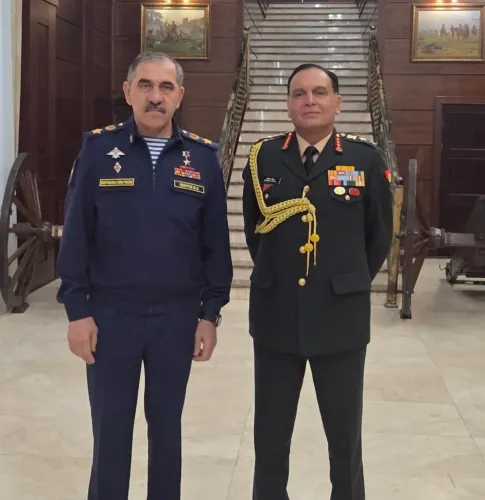
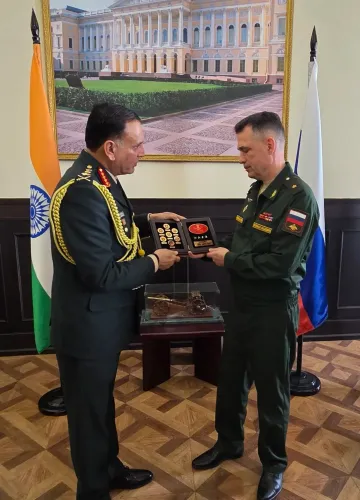
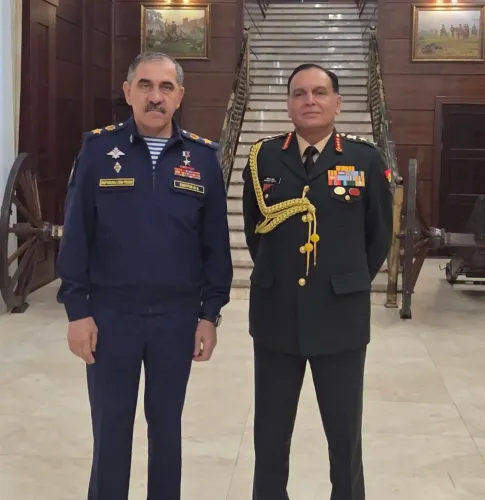
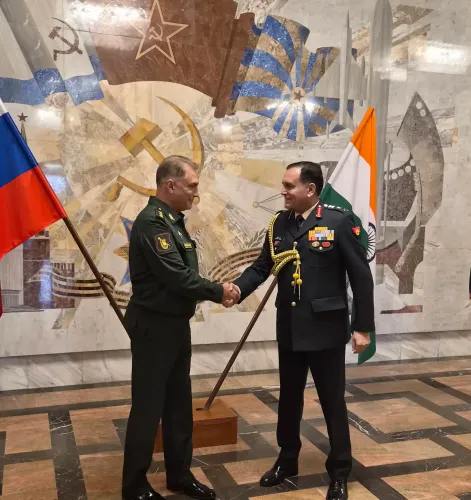
This comes amid a broader wave of high-level engagement: last month, Indian Army Chief General Dhiraj Seth completed a three-day official visit to Russia — the first by an Indian Army chief in eight years — meeting Deputy Defence Minister General Yunus-Bek Yevkurov and Commander-in-Chief of Russian Land Forces Colonel General Andrei Mordvichev. Discussions focused on joint capability development, training exchanges, operational experience, and expanding Army-to-Army cooperation.
Significance of the Naval Visit
The Indian Naval Academy visit is notable because it signals Russian interest in understanding India's naval training ecosystem — a domain where both sides have historically cooperated through officer exchanges and joint exercises. Enhancing interoperability at the institutional level suggests the partnership is moving beyond equipment-supply ties toward deeper operational alignment. Notably, this is at least the third significant India-Russia military engagement in under two months, pointing to a deliberate and coordinated effort by both sides to reinforce defence linkages.
Strategic Context
India and Russia share a longstanding defence partnership, with Russia historically being one of India's largest arms suppliers. As India diversifies its defence procurement — increasing acquisitions from the United States, France, and domestic manufacturers — New Delhi has simultaneously maintained active engagement with Moscow, reflecting its broader policy of strategic autonomy. The cluster of recent military-level visits underscores that the relationship remains a priority despite evolving geopolitical pressures.
Point of View
The Army chief's first Moscow trip in eight years, and a Jaishankar-Lavrov sit-down in New York — are too coordinated to be coincidental. India is clearly signalling to Moscow that the defence relationship remains intact even as New Delhi deepens ties with Washington and Paris. What mainstream coverage often underplays is the institutional dimension: the focus on training architecture and interoperability at the Naval Academy suggests Russia is probing for longer-term integration, not just hardware sales. That cuts both ways — it sustains India's bargaining leverage with Western partners, but it also tests New Delhi's ability to compartmentalise partnerships in an era of intensifying great-power competition.
NationPress
3 Oct 2026
Frequently Asked Questions
Which Russian Navy officer led the delegation to India?
The delegation was led by Captain 1st Rank Sergei V Saitov . The six-member team visited the Southern Naval Command and the Indian Naval Academy in Kerala from 27 September to 1 October 2026.
What was discussed during the Russian Navy delegation's visit to Kerala?
Discussions covered avenues to deepen maritime cooperation, enhance interoperability, and strengthen institutional and professional linkages between the Indian and Russian navies. The delegation also familiarised itself with the Indian Navy's training architecture and facilities.
How does this naval visit fit into broader India-Russia defence ties?
It is the latest in a series of high-level engagements: External Affairs Minister Jaishankar met Foreign Minister Lavrov in New York to reaffirm strategic ties, and Army Chief General Dhiraj Seth completed a three-day visit to Russia — the first by an Indian Army chief in eight years. Together, these signal a deliberate effort to sustain institutional defence cooperation.
Why is the Indian Naval Academy visit significant?
It signals Russian interest in India's naval training ecosystem, moving the bilateral relationship beyond equipment supply toward deeper operational and institutional alignment. Both sides described it as a step to 'further consolidate institutional and professional linkages.'
What is India's broader strategic approach to Russia given its expanding Western defence partnerships?
India maintains a policy of strategic autonomy, diversifying defence procurement from the US, France, and domestic manufacturers while simultaneously sustaining active engagement with Russia. The cluster of recent military-level visits suggests New Delhi views the Russia relationship as complementary to, rather than in conflict with, its Western defence ties.