South Korea Defence Minister to meet military academy alumni heads over merger plan
Synopsis
South Korea's government is pushing to merge its Army, Navy, and Air Force academies into a single 'National Military Academy' at a cost exceeding US$2.1 billion — and facing a wall of opposition from alumni and the armed forces. Defence Minister Ahn Gyu-back's Wednesday meeting with alumni chiefs is a make-or-break moment for one of the most contentious military reforms in Seoul in years.
Key Takeaways
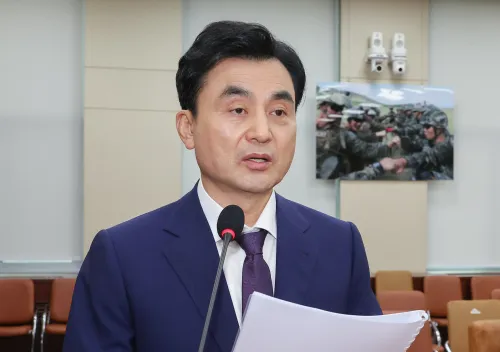
Defence Minister Ahn Gyu-back is meeting alumni association presidents of all three military academies on 12 August in Seoul .
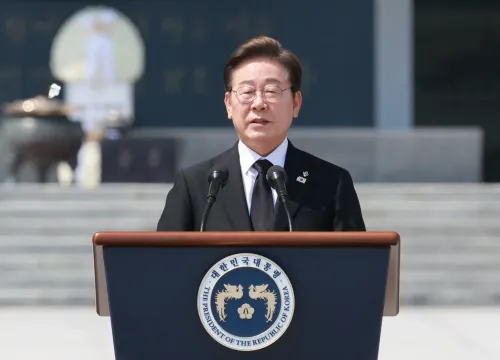
The Lee Jae-myung government wants to merge the Korea Military Academy , Naval Academy , and Air Force Academy into a single 'National Military Academy' .
Total estimated cost of the new institution exceeds 3 trillion won (approximately US$2.1 billion ), to be funded via land sales and state funds.
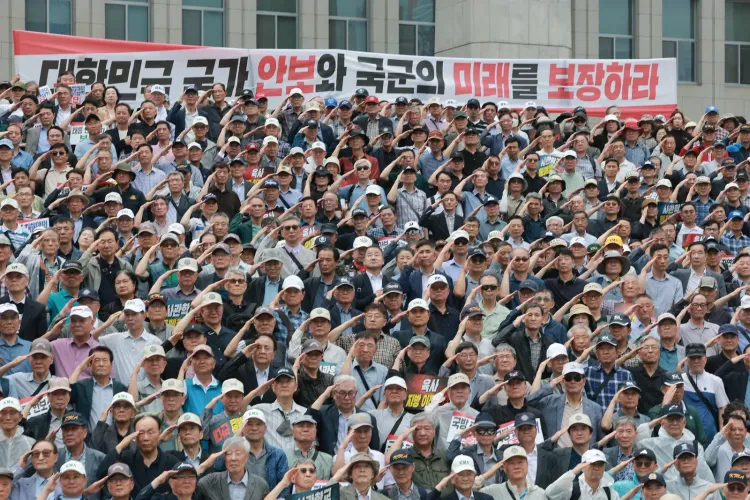
Alumni groups have staged a large rally opposing the plan, demanding a full halt and fresh review.
A public hearing is planned for later in August , with a detailed plan expected around October .
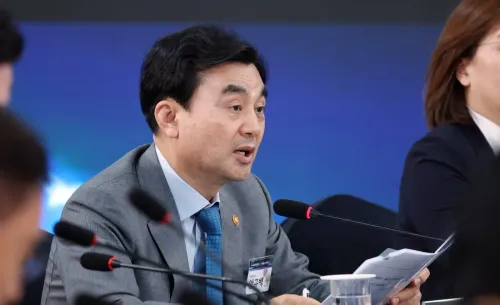
South Korea's Defence Minister Ahn Gyu-back is scheduled to meet on Wednesday, 12 August with the presidents of alumni associations from the country's three premier military academies, in a bid to secure backing for the government's contentious plan to consolidate them into a single institution. The meeting, to be held at the defence ministry compound in Seoul, brings together heads of groups representing the Korea Military Academy, the Republic of Korea Naval Academy, and the Republic of Korea Air Force Academy.
Background to the Merger Push
The Lee Jae-myung government has framed the integration drive as a strategic response to South Korea's worsening demographic outlook, arguing that consolidating the academies would allow the armed forces to attract a larger pool of talented cadets as the country's youth population shrinks. Officials also contend that a unified institution would better prepare future officers for the rapidly changing nature of modern warfare.
The proposed institution has been tentatively named the 'National Military Academy'. The defence ministry plans to hold a public hearing later this month and is expected to unveil a detailed blueprint for the new academy around October.
Strong Opposition from Alumni and Armed Forces
The integration plan has drawn fierce resistance. Alumni groups from all three services staged a large-scale rally ahead of Wednesday's meeting, calling on the government to immediately halt the merger and to restart the review process from the beginning. Critics within the armed forces have argued that each service requires specialised training tailored to its distinct operational environment — a need they say cannot be met by a single combined institution.
Notably, the opposition spans both serving personnel concerns and a well-organised alumni lobby, making this one of the more politically charged military reform efforts in recent South Korean history.
Financing the New Academy
Kim Hong-cheol, deputy defence minister for policy, indicated in an interview with local media that the ministry is exploring multiple funding avenues for the project. These include proceeds from the sale of idle land freed up during the relocation process, as well as state funds. The total estimated cost of establishing the new academy stands at over 3 trillion won (approximately US$2.1 billion), according to the ministry.
What Comes Next
Wednesday's meeting between Minister Ahn and the alumni association presidents is seen as a critical step in gauging whether the government can build any consensus around its plan before the public hearing. The outcome could shape the pace and scope of the reform, particularly if alumni groups maintain their demand for a complete reassessment. All eyes will be on the ministry's October announcement for the first concrete details of the proposed unified academy's structure and curriculum.
Point of View
Doctrine, and alumni networks that will not dissolve by ministerial decree. The government's decision to seek alumni buy-in only after a large protest rally — rather than before announcing the plan — reveals a sequencing error that has already hardened opposition. Whether Wednesday's meeting shifts any minds, or simply gives alumni leaders a formal platform to restate their objections, will signal how much political capital Seoul is actually willing to spend on this reform.
NationPress
26 Sept 2026
Frequently Asked Questions
What is South Korea's plan to merge its military academies?
The South Korean government is proposing to consolidate the Korea Military Academy, the Republic of Korea Naval Academy, and the Republic of Korea Air Force Academy into a single institution tentatively called the 'National Military Academy.' The plan is driven by demographic decline and the goal of modernising officer training for evolving warfare.
Why are alumni groups opposing the military academy merger?
Alumni associations from all three services have staged rallies demanding the government immediately halt the integration plan and review it from scratch. Their core objection is that each military branch requires specialised training suited to its distinct operational environment, which they argue a unified academy cannot adequately provide.
How much will the new National Military Academy cost?
Deputy Defence Minister Kim Hong-cheol has estimated the total cost at over 3 trillion won, equivalent to approximately US$2.1 billion. The ministry is considering funding it through proceeds from selling idle land during the relocation process, supplemented by state funds.
When will South Korea announce the detailed plan for the new academy?
The defence ministry plans to hold a public hearing later in August 2025, with a comprehensive plan for the proposed National Military Academy expected to be unveiled around October.
Who is leading the South Korean government's academy integration effort?
Defence Minister Ahn Gyu-back is the primary government figure driving the integration push, supported by Deputy Defence Minister for Policy Kim Hong-cheol, who has outlined the financing framework for the proposed new institution.