South Korea urges North Korea to resume dialogue at ARF forum in Manila
Synopsis
North Korea skipped the ASEAN Regional Forum in Manila for the second year running — the only multilateral platform where both Koreas hold membership. South Korea's Foreign Minister Cho Hyun used the absence to publicly call on Pyongyang to respond to Seoul's dialogue offers, even as inter-Korean relations remain frozen since North Korea declared the two states 'hostile' in late 2023.
Key Takeaways
South Korea's Foreign Minister Cho Hyun called on North Korea to engage in dialogue at the ASEAN Regional Forum (ARF) in Manila on Thursday .
North Korea was absent from the ARF for the second consecutive year , despite being a member of the only regional security forum that includes both Koreas.
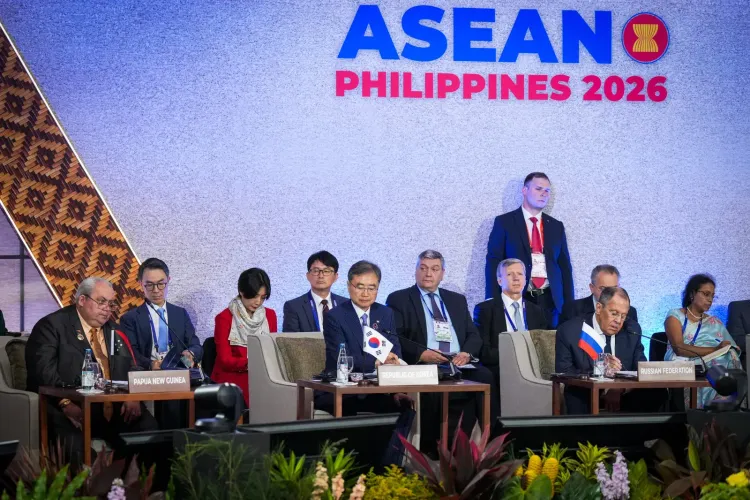
The ARF has 27 members , including all 11 ASEAN states and major powers such as the US , China , Japan , and Russia .
Multiple participants expressed concern over North Korea's nuclear and missile development, urging full compliance with UN Security Council resolutions.
Inter-Korean relations have been frozen since Pyongyang declared the two Koreas 'two hostile states' in late 2023 .
The forum adopted the Manila Plan of Action (2026–2036) , a decade-long regional cooperation roadmap.
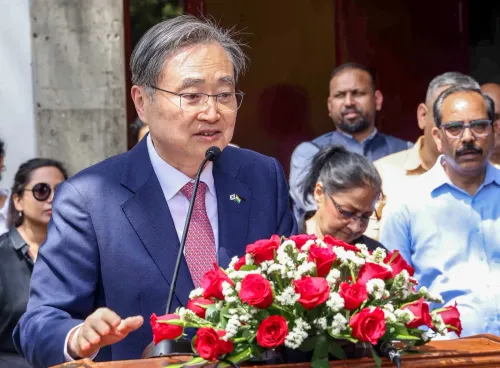
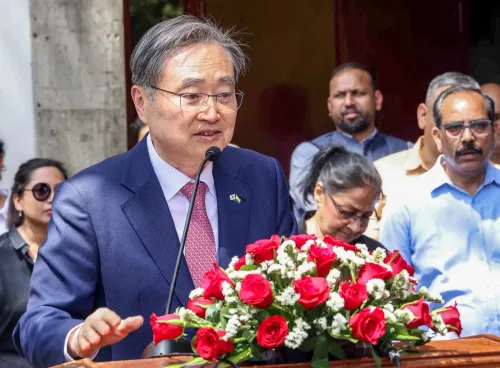
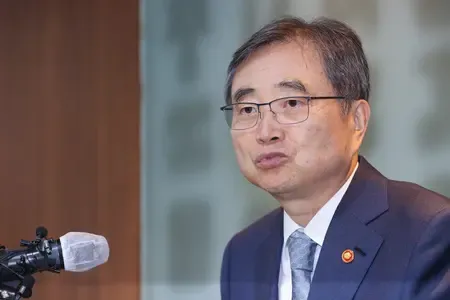
South Korea's Foreign Minister Cho Hyun on Thursday urged North Korea to respond to Seoul's standing offers for dialogue and engage in collective efforts to advance peace and stability on the Korean Peninsula, speaking at the ASEAN Regional Forum (ARF) in Manila. The appeal, confirmed by South Korea's foreign ministry, came as Pyongyang skipped the forum for the second consecutive year.
The ARF and North Korea's Absence
The ARF is a 27-member multilateral security forum comprising all 11 ASEAN member states alongside major regional powers including the United States, China, Japan, and Russia. It holds the distinction of being the only regional multilateral security platform where both South Korea and North Korea hold membership — making Pyongyang's repeated no-show particularly pointed. North Korea was absent from this year's session, continuing a pattern that began the previous year.
What Minister Cho Said
Minister Cho reaffirmed Seoul's vision of a peninsula where the two Koreas can coexist peacefully and develop together. 'Such efforts cannot bear fruit through the will of one side alone. I hope North Korea would respond to our sincere efforts for dialogue and cooperation,' Cho was quoted as saying by the ministry.
He also expressed hope that the ARF would continue to serve as a constructive platform for promoting regional peace and stability, and reaffirmed South Korea's commitment to expanding its contributions to forum activities. Seoul is set to co-chair several ARF inter-sessional meetings, including those focused on counter-terrorism and transnational crime.
Regional Concerns Over North Korea's Nuclear Programme
Multiple forum participants raised concerns about North Korea's continued development of nuclear weapons and ballistic missiles, according to the ministry. Participants stressed the importance of the denuclearisation of the Korean Peninsula and full compliance with relevant UN Security Council resolutions.
This comes amid a prolonged freeze in inter-Korean relations. Pyongyang declared in late 2023 that the two Koreas were 'two hostile states,' and has since declined to respond to dialogue overtures from Washington while deepening strategic ties with Russia and China.
Manila Plan of Action Adopted
The forum adopted the Manila Plan of Action (2026–2036), a decade-long roadmap outlining the ARF's direction for regional cooperation. Minister Cho expressed Seoul's support for the plan, signalling continued South Korean engagement with the multilateral security architecture even as bilateral inter-Korean channels remain frozen.
With Pyongyang showing no signs of re-engagement, the onus of sustaining diplomatic pressure now rests on multilateral forums like the ARF and the broader coalition of regional powers pressing for denuclearisation.
Point of View
Pyongyang has systematically withdrawn from every multilateral channel that presupposes eventual reconciliation. Seoul's public appeals at forums like the ARF are increasingly performative: they establish the record of outreach without any realistic expectation of a response. The deeper concern is that the ARF itself — the only platform where both Koreas nominally sit together — is losing its symbolic utility as a bridge. If Pyongyang's absence becomes permanent, the forum risks becoming a venue where regional powers discuss North Korea rather than with it, diminishing whatever residual diplomatic leverage multilateralism still holds on the peninsula.
NationPress
21 Oct 2026
Frequently Asked Questions
Why did South Korea's foreign minister speak about North Korea at the ARF?
South Korea's Foreign Minister Cho Hyun used the ASEAN Regional Forum in Manila to publicly urge North Korea to respond to Seoul's dialogue offers and engage in efforts to stabilise the Korean Peninsula. The ARF is the only regional security forum where both Koreas hold membership, making it a key diplomatic venue for such appeals.
Why was North Korea absent from the ARF in Manila?
North Korea did not attend the 2025 ASEAN Regional Forum in Manila, marking its second consecutive absence from the forum. Pyongyang has not publicly explained its non-attendance, but inter-Korean relations have been frozen since North Korea declared the two Koreas 'two hostile states' in late 2023.
What is the ASEAN Regional Forum (ARF)?
The ARF is a 27-member multilateral security forum that includes all 11 ASEAN member states and major regional powers such as the United States, China, Japan, and Russia. It is the only regional security platform where both South Korea and North Korea are members.
What is the Manila Plan of Action adopted at the ARF?
The Manila Plan of Action (2026–2036) is a decade-long roadmap adopted at the forum that sets out the ARF's direction for regional security cooperation over the next ten years. South Korea expressed support for the plan and committed to co-chairing several ARF inter-sessional meetings.
What is the current state of inter-Korean relations?
Inter-Korean relations have remained effectively frozen since late 2023, when North Korea declared the two Koreas to be 'two hostile states.' Pyongyang has declined dialogue overtures from both Seoul and Washington while deepening its ties with Russia and China.