South Korea Foreign Minister vows phased approach to Korean Peninsula denuclearisation
Synopsis
At the Jeju Forum, South Korean Foreign Minister Cho Hyun reframed Seoul’s North Korea policy with a ‘phased and practical’ denuclearisation pledge — a deliberate shift from maximalist demands. With 4,500 experts gathered under the theme ‘Reinventing Cooperation in a Fragmented World,’ the signal to Pyongyang, Washington, and Beijing is clear: Seoul wants incremental progress over diplomatic deadlock.
Key Takeaways
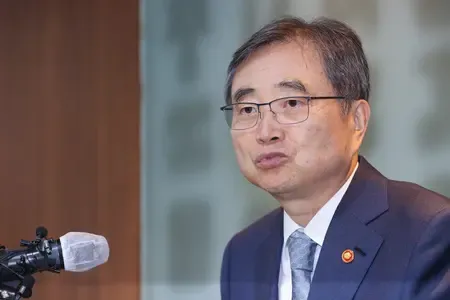
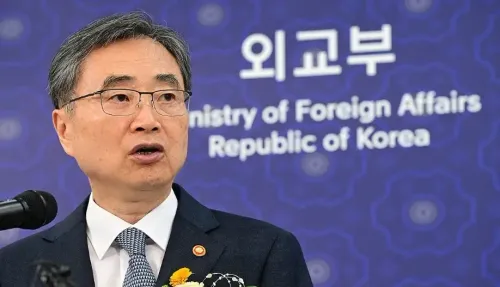
Foreign Minister Cho Hyun pledged a phased, practical approach to Korean Peninsula denuclearisation at the 21st Jeju Forum on 26 June 2025 .
South Korea reaffirmed its defence posture anchored in the South Korea–US alliance , with expanded ties to G7 and Global South nations.
The three-day Jeju Forum runs through Friday , hosting approximately 4,500 participants across 68 sessions .
Cho held sideline meetings with Turkish Deputy FM Levent Gumrukcu and French Indo-Pacific Ambassador Dana Purcarescu .
Seoul aims to serve as a global bridge on climate change , public health , and AI governance.
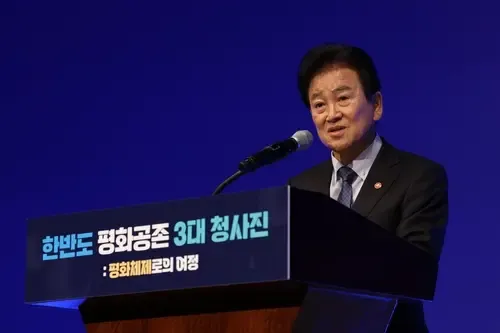
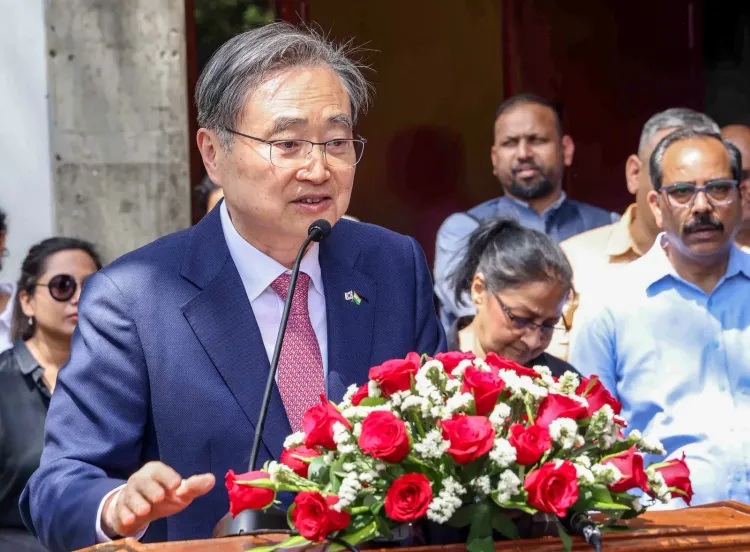
South Korean Foreign Minister Cho Hyun on Thursday pledged a phased and practical approach to the denuclearisation of the Korean Peninsula, while deepening ties with like-minded nations to advance regional peace and stability. The remarks came during an official dinner at the 21st Jeju Forum for Peace and Prosperity, held on the southern resort island of Jeju.
Key Commitments on Denuclearisation
“We will pursue sustainable peace and coexistence, while taking a phased and practical approach toward the goal of denuclearising the Korean Peninsula,” Cho said, stressing the importance of peaceful coexistence and conflict prevention. The language signals a calibrated, step-by-step diplomatic posture rather than an all-or-nothing demand — a notable framing given the stalled state of inter-Korean dialogue.
Cho also reaffirmed Seoul’s commitment to strengthening its own defence capabilities anchored in the South Korea–US alliance, while broadening cooperation with partners including the Group of Seven (G7) and nations across the Global South.
South Korea as a Global Bridge
South Korea aims to position itself as a connector among nations, leveraging its expertise in development cooperation, advanced technology, and culture. Cho highlighted the country’s intent to contribute to global efforts on climate change, public health, and challenges linked to Artificial Intelligence (AI).
This comes amid growing geopolitical fragmentation, with the forum itself themed “Reinventing Cooperation in a Fragmented World.” The three-day event, running through Friday, has drawn approximately 4,500 officials and experts from dozens of countries for 68 sessions covering North Korea, diplomacy, freedom of navigation, and related issues.
Bilateral Meetings on the Sidelines
Ahead of the dinner, Cho held bilateral talks with Turkish Deputy Foreign Minister Levent Gumrukcu and French Ambassador for the Indo-Pacific Dana Purcarescu. Discussions focused on managing growing geopolitical uncertainties and reinforcing strategic partnerships, according to the foreign ministry.
The dinner itself was attended by senior government officials, former heads of state, candidates for United Nations secretary-general, diplomats, and lawmakers — underscoring the forum’s standing as a significant multilateral platform in the Asia-Pacific diplomatic calendar.
What Comes Next
With North Korea’s nuclear programme continuing to advance and US-China tensions reshaping the regional order, Seoul’s ‘phased and practical’ framing will be closely watched by Pyongyang, Washington, and Beijing alike. Whether this posture translates into concrete diplomatic engagement remains to be seen as the forum concludes on Friday, 27 June 2025.
Point of View
That flexibility risks being read as softening rather than strategy. Notably, the forum’s theme of ‘Reinventing Cooperation in a Fragmented World’ is itself a tacit acknowledgement that the liberal multilateral order Seoul has long relied on is under strain. The real question is whether a ‘bridge’ role between the G7 and the Global South is a coherent foreign policy or an attempt to be all things to all blocs in an era where fence-sitting is increasingly costly.
NationPress
24 Sept 2026
Frequently Asked Questions
What did South Korea’s Foreign Minister say about Korean Peninsula denuclearisation?
Foreign Minister Cho Hyun said South Korea will pursue a phased and practical approach to denuclearising the Korean Peninsula, prioritising sustainable peace and coexistence. He made the remarks at the 21st Jeju Forum for Peace and Prosperity on 26 June 2025.
What is the Jeju Forum for Peace and Prosperity?
The Jeju Forum is an annual international multilateral dialogue held on South Korea’s Jeju island. The 21st edition, themed ‘Reinventing Cooperation in a Fragmented World,’ brought together approximately 4,500 officials and experts from dozens of countries for 68 sessions on diplomacy, North Korea, and regional security.
How does South Korea plan to strengthen its security posture?
South Korea reaffirmed its commitment to bolstering its own defence capabilities within the framework of the South Korea–US alliance. It also plans to expand cooperation with G7 nations and emerging economies in the Global South.
Who did Foreign Minister Cho meet on the sidelines of the Jeju Forum?
Cho held bilateral meetings with Turkish Deputy Foreign Minister Levent Gumrukcu and French Ambassador for the Indo-Pacific Dana Purcarescu. Talks focused on addressing geopolitical uncertainties and deepening strategic partnerships.
What global issues is South Korea seeking to address through multilateral cooperation?
South Korea has identified climate change, public health, and Artificial Intelligence governance as key areas where it seeks to contribute globally. The foreign minister framed Seoul’s role as a bridge nation leveraging its strengths in technology, development cooperation, and culture.