Will the Saudi team visit Afghanistan and Pakistan to mediate a truce?
Synopsis
As Saudi Arabia ramps up efforts to mediate a truce between Afghanistan and Pakistan, the region's stability hangs in the balance. With previous negotiations faltering, the potential visit of a Saudi delegation could be pivotal. Explore the underlying tensions and the implications of ongoing border conflicts in this developing story.
Key Takeaways
Saudi Arabia is intensifying efforts for a ceasefire between Afghanistan and Pakistan .
The Saudi delegation's anticipated visit follows unsuccessful previous negotiations.
Border skirmishes have escalated tensions in the region.
Over 2,300 Afghan refugees were forcibly deported in one day from neighboring countries.
The lack of international recognition complicates Kabul's challenges.
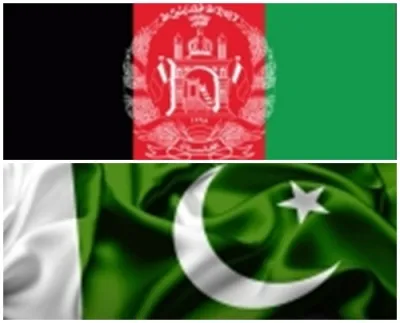
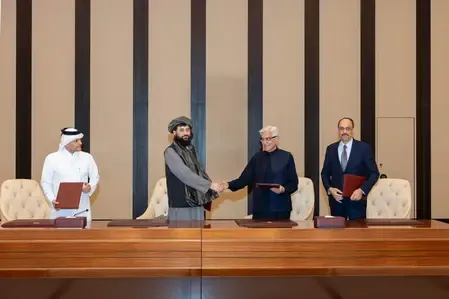
New Delhi, Dec 9 (NationPress) Saudi Arabia has intensified its efforts to mediate a lasting ceasefire between Afghanistan and Pakistan, following multiple rounds of negotiations that have not succeeded in establishing a ceasefire framework, according to a report. A delegation from Saudi Arabia is anticipated to visit both countries for further discussions, following an unsuccessful attempt to mediate a ceasefire in Riyadh last month, as reported by Tolo News on Tuesday.
While the exact timing of the Saudi delegation's visit remains uncertain, several sources who spoke to the BBC anonymously indicated that during recent discussions in Riyadh, representatives from both Afghanistan and Pakistan pledged to continue the dialogue, the report stated.
As tensions rise and border conflicts continue between Kabul and Islamabad, neighboring nations are ramping up their efforts to broker peace between these erstwhile allies turned adversaries.
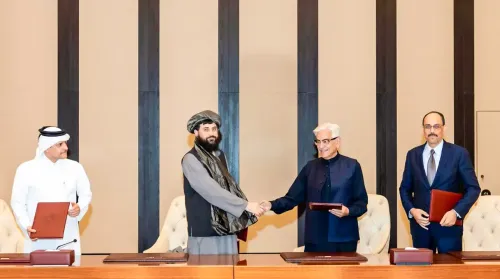
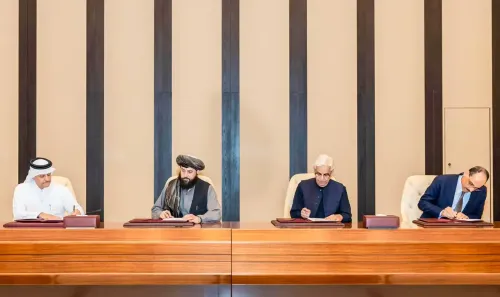
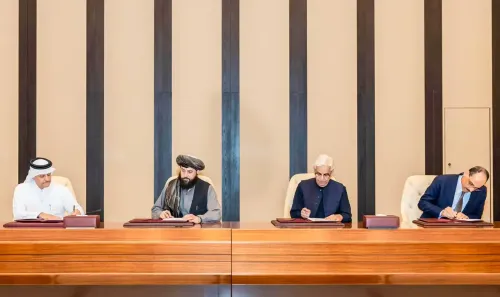
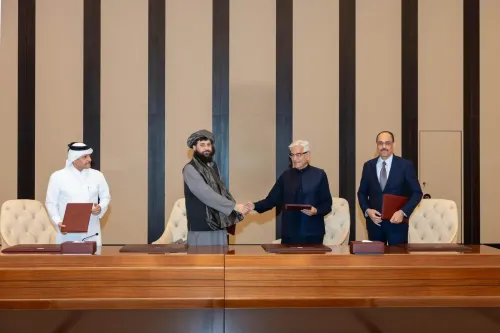
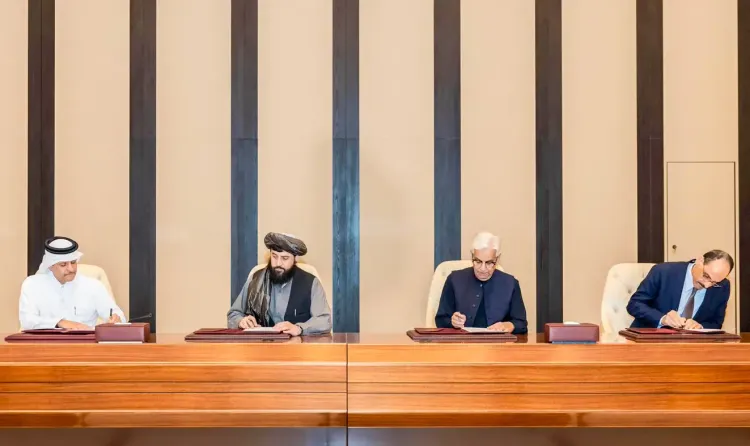
The initial meeting in Doha, facilitated by Qatar and Turkey on October 18-19, resulted in a temporary ceasefire agreement; however, subsequent meetings in Istanbul failed to achieve a lasting resolution.
Subsequently, Saudi Arabia intervened to facilitate peace talks, with Iran also offering its mediation services. Islamabad has consistently accused Kabul’s Taliban regime of providing refuge to the Tehreek-e-Taliban Pakistan (TTP) and facilitating cross-border attacks on Pakistan.
In response, Kabul has denied these claims, instead accusing Pakistan of frequent territorial violations and displacing thousands of Afghan refugees.
Regarding terror attacks within Pakistan, the Afghan Taliban has dismissed these incidents as internal issues for Pakistan, accusing Islamabad of conducting airstrikes within Afghan territory.
Meanwhile, Pajhwok news agency reported that on a single day, 2,300 Afghan refugees were “forcibly deported” from both Pakistan and Iran. The report cited a social media post by the Taliban administration’s deputy spokesman, Hamdullah Fitrat, stating that 623 families, totaling 2,349 individuals, returned to Afghanistan on Sunday.
Fitrat also mentioned that on Saturday, an additional 3,134 Afghan refugees were forcibly deported from Iran and Pakistan. The continuous influx of returning Afghan refugees has exacerbated challenges for Kabul, which is already struggling with inadequate infrastructure and economic pressures from international sanctions, compounded by the lack of official recognition.
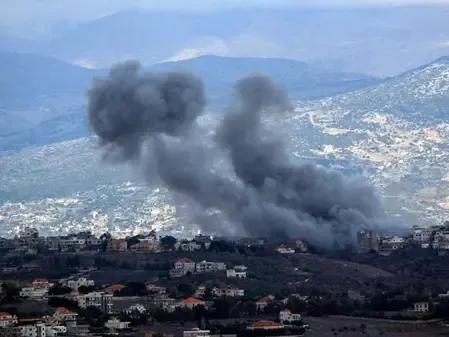
This ongoing tension has led to further disruptions in the fragile ceasefire, with reports of border skirmishes taking place last week at the Durand Line between the forces of Pakistan and Afghanistan's Taliban.
Many residents were reported to have fled the Afghan city of Spin Boldak, a key border route between the two nations, overnight. Reports indicate that both sides confirmed their involvement in the exchange of gunfire, with each party blaming the other for instigating the conflict, which lasted approximately four hours.
Since fierce fighting began nearly two months ago, all trade routes have remained closed. The Afghan Taliban claims this fighting was a response to Pakistan’s airstrikes, while Islamabad alleges that these raids targeted terror leaders hiding in Afghanistan. However, those alleged leaders have reportedly resurfaced elsewhere.
Point of View
It is essential to recognize the importance of international mediation in resolving the ongoing conflict between Afghanistan and Pakistan. The involvement of a neutral party like Saudi Arabia could facilitate dialogue and potentially lead to a more stable region. While the challenges are significant, continued efforts toward diplomacy are crucial for lasting peace.
NationPress
26 Sept 2026
Frequently Asked Questions
What is the purpose of the Saudi delegation's visit?
The Saudi delegation aims to mediate a lasting truce between Afghanistan and Pakistan, following unsuccessful previous negotiations.
What led to the increased tensions between Afghanistan and Pakistan?
Increased tensions have arisen from border conflicts and accusations from both sides regarding support for militant groups.
How many Afghan refugees were deported recently?
Reports indicate that over 2,300 Afghan refugees were forcibly deported from Pakistan and Iran in a single day.
What role did Iran and Turkey play in the negotiations?
Iran and Turkey have offered to mediate discussions, with Turkey facilitating earlier meetings in Istanbul.
What are the implications of the ongoing conflicts for the region?
The ongoing conflicts pose significant challenges for regional stability, economic conditions, and humanitarian issues for both Afghanistan and Pakistan.