South Korea food prices surge as heat wave kills 9 lakh livestock
Synopsis
A brutal heat wave has sent South Korea's food prices into a spiral — spinach up 152% in a month, nearly 9 lakh livestock dead, and over 8.6 lakh fish lost to warming waters. Analysts say the damage to fish supply hasn't peaked yet, with September expected to be the most punishing month for consumers.
Key Takeaways
Spinach prices in South Korea surged 152.3 per cent month-on-month as of Friday, 8 August , driven by heat-wave-related supply disruptions.
9,01,602 livestock — 95 per cent of them poultry — died due to extreme heat, according to the agriculture ministry.
8,64,497 fish perished at aquaculture farms due to warming ocean temperatures.
Flounder auction prices rose 13.2 per cent year-on-year to 22,300 won per kilogram between 27 July and 1 August .
Industry watchers expect fish prices to peak in September , as sea temperatures cool more slowly than land temperatures.
The government is increasing broiler chicken imports and running fish discount events to ease consumer prices.
South Korea is facing a sharp rise in food prices after a severe and prolonged heat wave battered agricultural output, according to data released on Sunday, 9 August. The crisis spans vegetables, poultry, and fish — signalling broad-based heat-driven inflation that analysts warn could deepen into September.
Vegetable Prices Spike
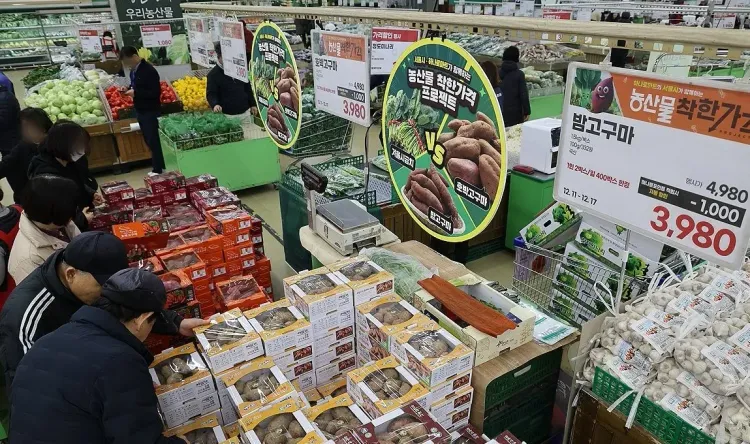
The retail price of 100 grams of spinach surged 152.3 per cent compared to the same day a month earlier, according to data from the Korea Agro-Fisheries and Food Trade Corporation. The price of 10 cucumbers climbed 54.8 per cent over the same period, while 100 grams of blue lettuce jumped 41.7 per cent.
An official from the agriculture ministry explained the mechanism: 'Vegetables such as spinach, cucumbers and zucchinis grow well in cool temperatures and tend to surge in prices as their supply drops in the summer season.' Green vegetables are particularly vulnerable to high temperatures, making summer heat waves a recurring supply shock for South Korean consumers.
Livestock and Fish Farms Hit Hard
The scorching heat has devastated farms beyond the fields. As of Friday, a total of 9,01,602 livestock had died due to the heat wave, with 95 per cent of casualties being poultry — chickens and ducks — according to the latest agriculture ministry data.
At aquaculture farms, 8,64,497 fish were reported dead due to warming ocean temperatures as of the same date. The losses have pushed up fish prices: the average auction price of 1 kilogram of flounder reached 22,300 won (approximately USD 15.84) between 27 July and 1 August, up 2.29 per cent from the previous week and 13.2 per cent higher than the same period last year, according to data from the National Federation of Fisheries Cooperatives.
Prices Expected to Rise Further in September
Industry watchers caution that the worst may be ahead. 'The effect of high water temperatures has just begun, and we expect it to be most pronounced in September. Especially flounders and rockfish will continue to be sold at high prices,' an industry observer said. Sea temperatures cool more slowly than land temperatures, meaning fish supply disruptions are likely to persist even after the heat wave subsides on land.
Government Response
Amid growing concerns over heat-driven inflation, authorities have launched measures to contain the price surge. These include increasing imports of broiler chickens and expanding promotional discount events for fish at retail stores. The extreme heat wave, which pushed midday temperatures as high as 40 degrees Celsius early last week, was forecast to ease on Sunday, with daytime highs expected to drop to around 34 degrees Celsius. However, the economic aftershocks of the prolonged heat are expected to outlast the weather event itself.
Point of View
This episode is a preview of a pattern that climate projections suggest will intensify: supply shocks that arrive faster than import pipelines can compensate, hitting lower-income households hardest and hardest first.
NationPress
23 Sept 2026
Frequently Asked Questions
Why have food prices surged in South Korea?
A severe and prolonged heat wave has damaged vegetable crops and killed over 9 lakh livestock and 8.6 lakh fish, sharply reducing supply. Green vegetables like spinach are particularly vulnerable to high temperatures, causing prices to spike dramatically within weeks.
By how much have vegetable prices risen in South Korea?
As of Friday 8 August, spinach prices rose 152.3 per cent compared to the same day a month earlier. Cucumber prices climbed 54.8 per cent and blue lettuce jumped 41.7 per cent over the same period, according to the Korea Agro-Fisheries and Food Trade Corporation.
How many animals have died due to the South Korea heat wave?
A total of 9,01,602 livestock had died as of Friday, with 95 per cent being poultry such as chickens and ducks. Additionally, 8,64,497 fish died at aquaculture farms due to warming ocean temperatures.
When will fish prices in South Korea peak?
Industry observers expect fish prices to be most pronounced in September, since sea temperatures cool more slowly than land temperatures. Flounder and rockfish are expected to remain at elevated prices for weeks after the heat wave on land subsides.
What is the South Korean government doing to control food prices?
The government is increasing imports of broiler chickens and expanding promotional discount events for fish at retail stores to ease pressure on consumer prices amid the heat-driven inflation surge.