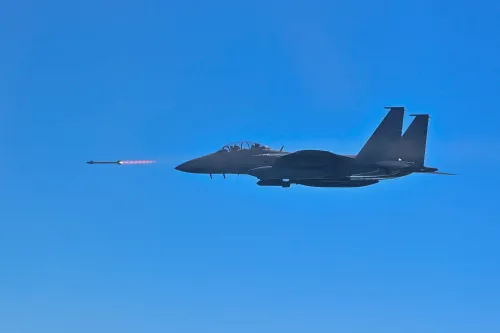
South Korea to acquire US SM-6 missile interceptors by 2034 in ₩530bn deal
Synopsis
South Korea has locked in a USD 351.5 million deal to arm its Aegis destroyers with US SM-6 interceptors by 2034 — a system capable of engaging ballistic missiles, aircraft, and cruise missiles at ranges up to 460 km. The acquisition scope appears scaled back from the USD 650 million US sale approval of November 2023, and the deadline has slipped three years, raising questions about the pace of Seoul's naval modernisation.
Key Takeaways
South Korea approved a 530 billion-won (USD 351.5 million) plan on 22 May to acquire US SM-6 shipborne missile interceptors by 2034 .
The SM-6 has a maximum range of 460 km and can engage targets at altitudes up to 36 km , tracking multiple threats simultaneously.
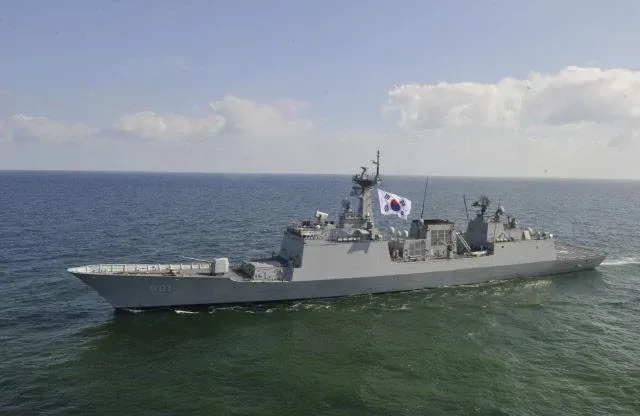
Three Aegis destroyers — ROKS Dasan Jeong Yakyong , ROKS Daeho Kim Jong Seo , and ROKS Jeongjo the Great — will be equipped with the interceptors.
The acquisition timeline has been extended from the original 2023–2031 to 2023–2034 , and the scope appears reduced from the USD 650 million US sale approved in November 2023 .
A separate 1.27 trillion-won military communications satellite project was also approved, running through 2032 .
South Korea on Friday, 22 May finalised a 530 billion-won (USD 351.5 million) plan to acquire US Standard Missile-6 (SM-6) shipborne missile interceptors by 2034, in a move aimed at significantly strengthening its naval air-defence capabilities. The decision was approved by the Defence Project Promotion Committee, the key arms-procurement decision-making body under the Defence Acquisition Program Administration (DAPA).
What the SM-6 Interceptor Brings to the Table
The SM-6 is an advanced ship-to-air missile interceptor designed to track and neutralise a broad spectrum of incoming threats, including anti-ship ballistic missiles, aircraft, and cruise missiles. It carries a maximum range of 460 kilometres and can engage targets at altitudes of up to 36 km. Critically, the system uses its own onboard radar to directly track targets, enabling warships to simultaneously engage multiple threats — a capability that significantly raises the defensive ceiling of Aegis-equipped vessels.
Which Ships Will Be Equipped
The DAPA confirmed that the SM-6 interceptors will be installed on the 8,200-ton Aegis destroyer ROKS Dasan Jeong Yakyong, which is scheduled to enter active service later this year, as well as on the ROKS Daeho Kim Jong Seo, a vessel of the same class. Additionally, the already-deployed ROKS Jeongjo the Great will receive the interceptors through planned future capability upgrades.
How This Compares to the Original US Sale Approval
In November 2023, the United States approved a USD 650 million sale of up to 38 SM-6 missiles and related equipment to South Korea through the government-to-government Foreign Military Sales (FMS) programme. Friday's announcement by DAPA suggests the acquisition scope may have been scaled back from that earlier plan. The acquisition timeline has also been revised to 2023–2034, extended from the original 2023–2031 schedule.
Military Communications Satellite Also Approved
In the same committee session, DAPA approved a separate research and development plan for a new dedicated geostationary military communications satellite and associated ground infrastructure. The project, to be led by the Agency for Defence Development, will run from this year through 2032 at an estimated cost of approximately 1.27 trillion won. The satellite system is intended to replace older satellite and ground equipment currently in service.
Strategic Context
'The project is expected to enhance ship-to-air defence capabilities of Aegis destroyers against enemy anti-ship ballistic missiles, aircraft and cruise missiles, as well as improve their anti-ballistic missile defence,' DAPA said in its official statement. This comes amid sustained concerns on the Korean Peninsula over North Korea's expanding ballistic missile programme, which has accelerated in both frequency and range over recent years. The SM-6 acquisition, combined with the communications satellite push, signals a broader effort by Seoul to modernise its layered defence architecture ahead of the next decade.
Point of View
And the deadline has slipped three years. That gap deserves scrutiny: either Seoul has renegotiated scope, or budget constraints are quietly trimming an ambitious naval modernisation agenda. With North Korea's ballistic missile cadence at a historic high, a slower SM-6 rollout is a strategic risk that DAPA's carefully worded statement does not fully address. The simultaneous push for an indigenous military communications satellite suggests South Korea is hedging — reducing dependence on allied infrastructure even as it deepens procurement ties with Washington.
NationPress
26 Sept 2026
Frequently Asked Questions
What is the SM-6 missile interceptor South Korea is acquiring?
The SM-6 is an advanced US-made ship-to-air missile interceptor that can engage anti-ship ballistic missiles, aircraft, and cruise missiles at ranges up to 460 km and altitudes up to 36 km. It uses its own onboard radar to track multiple threats simultaneously, making it a significant upgrade for Aegis-equipped warships.
How much is South Korea paying for the SM-6 interceptors?
South Korea's Defence Acquisition Program Administration approved a 530 billion-won (USD 351.5 million) project for the SM-6 interceptors and related equipment. This appears to be a scaled-back version of the USD 650 million sale the United States approved through the Foreign Military Sales programme in November 2023.
Which South Korean ships will carry the SM-6 interceptors?
The SM-6 will be installed on the Aegis destroyers ROKS Dasan Jeong Yakyong and ROKS Daeho Kim Jong Seo, with the already-deployed ROKS Jeongjo the Great also set to receive the system through future upgrades.
When will South Korea complete the SM-6 acquisition?
The revised acquisition timeline runs from 2023 to 2034, extended from the original 2023–2031 schedule. The ROKS Dasan Jeong Yakyong is scheduled to enter service later in 2025 and will be among the first vessels equipped.
What else did South Korea's defence committee approve in the same session?
The committee also approved a research and development programme for a new geostationary military communications satellite and ground infrastructure, to be led by the Agency for Defence Development. The project runs through 2032 at an estimated cost of 1.27 trillion won.