South Korea's National Assembly to Vote on Emergency Budget Bill Amid Mideast Conflict
Synopsis
As South Korea's National Assembly prepares to vote on a crucial budget bill this Friday, the nation seeks to counter the economic challenges posed by the ongoing war in the Middle East. This supplementary budget could aid millions of households and small businesses in navigating rising oil prices.
Key Takeaways
Emergency Budget Bill: South Korea's National Assembly is addressing the economic fallout from the Mideast conflict.
Financial Support: The budget aims to assist small businesses and vulnerable households.
Cash Assistance: Approximately 35.8 million people may receive cash payments based on income.
Oil Supply Security: South Korea has secured significant oil supplies from various countries.
Political Disagreement: Rival parties are at odds over specifics of the budget details.
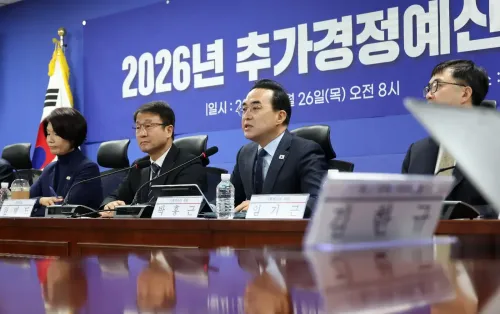
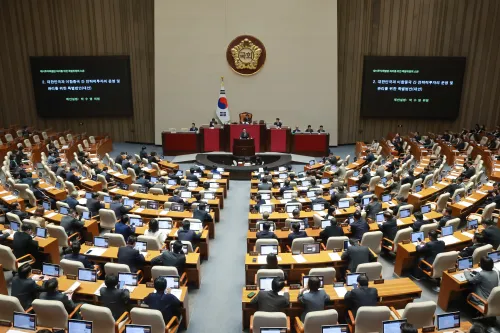
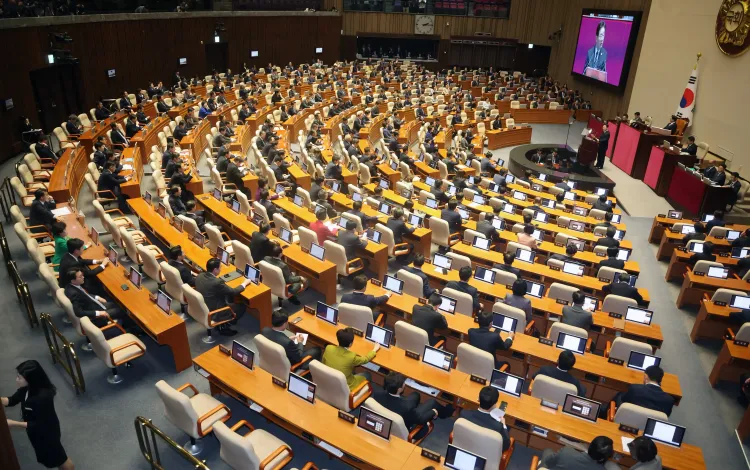
Seoul, April 10 (NationPress) The National Assembly of South Korea is scheduled to deliberate on an additional budget bill this Friday, designed to address the economic repercussions stemming from the ongoing conflict in the Middle East.
This supplementary budget, which aims to alleviate the financial strain of escalating oil prices and support small enterprises and vulnerable households affected by the war, has grown to approximately 30 trillion won ($20.3 billion) from the government's initial proposal of 26.2 trillion won after evaluations by various committees.
While rival parties have previously agreed to pass the bill by Friday, they continue to disagree over specific details, including the government’s strategy for providing cash assistance to 70 percent of the lowest income earners, which is intended to help mitigate the impact of surging oil costs, as reported by Yonhap news agency.
Should the bill be approved, around 35.8 million individuals will receive payments ranging from 100,000 won to 600,000 won per person, contingent on income level and regional factors.
The principal opposition, the People Power Party, contends that the initiatives outlined in the bill do not align with the objectives of the supplementary budget, advocating instead for programs that directly assist those affected. Meanwhile, the ruling Democratic Party is pushing for the swift passage of the bill.
A plenary session of the National Assembly is planned for later today to address the bill.
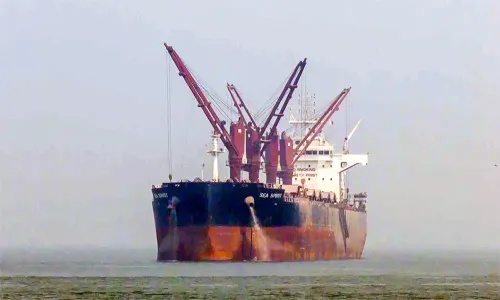
On April 7, South Korea secured an additional 60 million barrels of alternative oil supplies for May, intended to substitute for oil imports from the Middle East obstructed due to the effective closure of the Strait of Hormuz, according to government sources.
To date, the country has procured a total of 110 million barrels of oil—50 million for April and 60 million for May—from 17 nations, including Saudi Arabia, the United States, the United Arab Emirates, Brazil, and Canada, as stated by Yang Ghi-wuk, the deputy minister for trade, industry, and resource security, in a regular press briefing.
The amounts secured for April and May represent approximately 60 percent and 70 percent, respectively, of South Korea's usual monthly oil supply, he noted.
Concerning the oil swap system introduced last week, Yang mentioned that the country’s four largest refiners have submitted plans to borrow over 30 million barrels under the program, with about 8 million barrels expected to be delivered this week.
Point of View
It's evident that the National Assembly's impending vote on the supplementary budget bill is a response to significant economic pressures resulting from global events. The differing opinions among political factions underscore the complexity of addressing these challenges effectively while ensuring support for those most affected.
NationPress
13 Sept 2026
Frequently Asked Questions
What is the purpose of the extra budget bill?
The extra budget bill aims to alleviate the economic impact of rising oil prices and support small businesses and vulnerable households affected by the ongoing war in the Middle East.
How much is the additional budget bill worth?
The additional budget has expanded to approximately 30 trillion won ($20.3 billion) from an initial proposal of 26.2 trillion won.
Who will benefit from the cash assistance?
About 35.8 million individuals in the bottom 70 percent of income earners will receive cash assistance, ranging from 100,000 won to 600,000 won per person.
Which countries is South Korea securing oil supplies from?
South Korea has secured oil supplies from 17 countries, including Saudi Arabia, the United States, the United Arab Emirates, Brazil, and Canada.
What is the expected delivery timeline for the borrowed oil?
The major refiners have plans to borrow over 30 million barrels, with around 8 million barrels expected to be delivered this week.