South Korea FM nominee Lee Hyoung-il pledges inflation fight and economic recovery push
Synopsis
South Korea's Finance Minister nominee Lee Hyoung-il used his National Assembly confirmation hearing to stake out an ambitious agenda: tame inflation, ride the AI-driven semiconductor boom, chase an MSCI developed-market upgrade, and internationalise the Korean won — all while navigating global trade uncertainty and Middle East geopolitical risk.
Key Takeaways
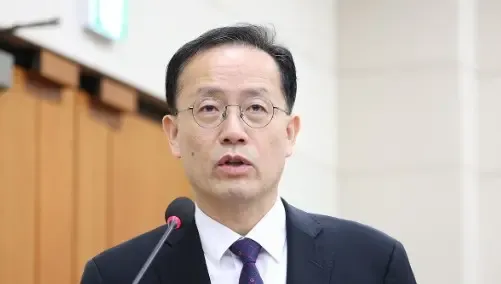
Lee Hyoung-il , South Korea's Finance Minister nominee, appeared before the National Assembly in Seoul on 15 September 2026 for his confirmation hearing.
Lee pledged to stabilise consumer prices , including food, agricultural products, and fuel costs, as his first priority in office.
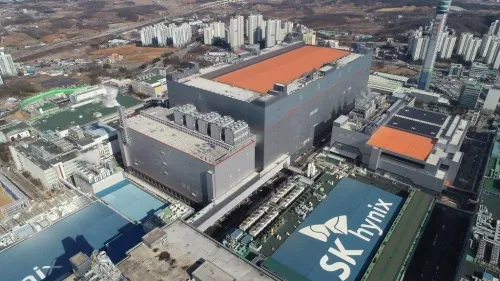
South Korea is on track to exceed a per capita GNI of US$40,000 in 2026, aided by an AI-driven semiconductor boom .
Lee flagged risks from global trade uncertainties and the war in the Middle East as threats to economic resilience.
The finance ministry will seek South Korea's inclusion in MSCI's developed-market category and push for Korean won internationalisation .
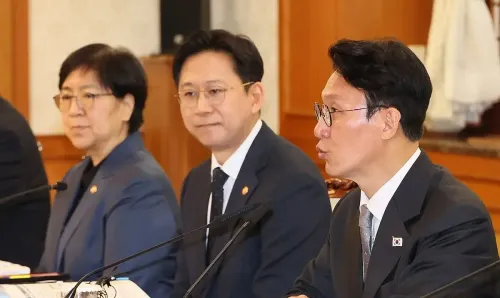
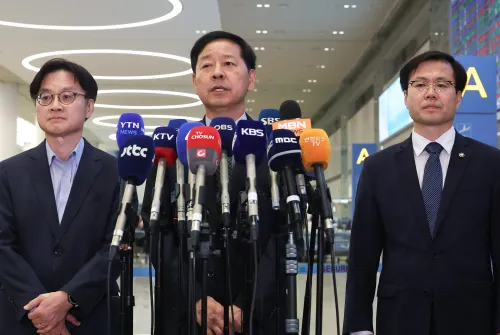
South Korea's Finance Minister nominee Lee Hyoung-il on Tuesday, 15 September vowed to bring down inflation and accelerate economic recovery, laying out his priorities at a confirmation hearing before the National Assembly in Seoul. His remarks came at what he described as a critical juncture for Asia's fourth-largest economy, buoyed by the global artificial intelligence boom but exposed to mounting external risks.
AI Boom and Recovery Signals
Lee told lawmakers that rising demand for AI services had triggered a semiconductor boom, with key macroeconomic indicators — including exports and investment — showing clearer signs of recovery. 'Growing demand for AI services has led to a semiconductor boom, while major economic indicators, including exports and investment, have been improving, providing clearer signs of an economic recovery,' he said.
The nominee noted that South Korea is on course to achieve a per capita gross national income (GNI) of over US$40,000 this year — a symbolic milestone for a country that has spent decades building its export-driven industrial base.
Global Trade Risks and Geopolitical Threats
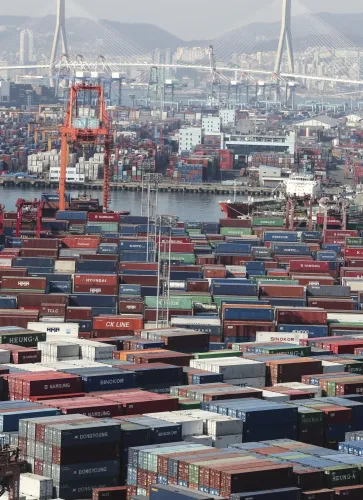
Despite the upbeat indicators, Lee flagged significant headwinds. He specifically cited uncertainties in the global trade order and geopolitical threats, including the war in the Middle East, as risks that could derail recovery momentum. 'We need to build the capacity to remain resilient against uncertainties in the global trade order, as well as geopolitical threats such as the war in the Middle East,' he said.
This comes amid broader concerns about the durability of semiconductor demand cycles, which have historically been prone to sharp corrections. South Korea's economy, heavily dependent on chip exports led by firms such as Samsung and SK Hynix, is particularly sensitive to any downturn in global tech spending.
Tackling Inflation and Cost-of-Living Pressures
Lee made stabilising consumer prices a centrepiece of his agenda, stressing that price stability is the first step toward narrowing economic disparities. 'I will ease the burden of grocery costs and seek to stabilise the prices of agricultural, livestock and fishery products, as well as fuel,' he said. The pledge is politically significant: food and energy inflation has remained a persistent concern for South Korean households, and the issue has featured prominently in recent electoral debates.
He also committed to maintaining broader macroeconomic stability in the face of potential volatility in semiconductor industry cycles and shifts in global interest rates.
MSCI Upgrade and Won Internationalisation
On capital markets, Lee outlined two flagship objectives. First, the finance ministry will pursue South Korea's reclassification from emerging-market to the developed-market category of Morgan Stanley Capital International (MSCI) indexes — a long-sought upgrade that could unlock substantial foreign institutional inflows. Second, the ministry will continue efforts to promote the internationalisation of the Korean won, enabling the currency to be freely held, traded, and borrowed outside South Korea.
Both goals reflect a broader ambition to elevate South Korea's standing in global financial markets and reduce its vulnerability to currency volatility tied to external shocks.
What Comes Next
Lee's confirmation hearing outcome will determine whether he formally takes office as finance minister. Should he be confirmed, his first test will be translating campaign-hearing pledges into a credible fiscal and monetary coordination framework — particularly as global interest rate expectations remain unsettled and the semiconductor cycle shows early signs of peaking.
Point of View
MSCI reclassification, won internationalisation — are structurally sound but each carries its own execution risk. South Korea's MSCI upgrade bid has stalled before on market-access concerns; without concrete regulatory changes to currency and settlement rules, it remains aspirational. Meanwhile, pledging to stabilise food and fuel prices while maintaining macroeconomic stability is a familiar juggling act that often forces uncomfortable trade-offs between fiscal stimulus and inflation management. The AI-semiconductor tailwind is real, but so is the cycle risk — Seoul has seen semiconductor booms turn into busts before, and this confirmation hearing's optimism should be read against that history.
NationPress
15 Sept 2026
Frequently Asked Questions
Who is Lee Hyoung-il and what role has he been nominated for?
Lee Hyoung-il is South Korea's nominee for the position of Finance Minister, appearing before the National Assembly in Seoul on 15 September 2026 for his confirmation hearing. He has outlined priorities including inflation control, economic recovery, and capital market reforms.
What are Lee Hyoung-il's main economic priorities if confirmed?
Lee has pledged to stabilise consumer prices — particularly food, agricultural products, and fuel — as his first step toward addressing economic disparities. He also aims to maintain macroeconomic stability, pursue South Korea's MSCI developed-market reclassification, and advance Korean won internationalisation.
What is South Korea's MSCI developed-market upgrade bid?
South Korea is seeking reclassification from the emerging-market to the developed-market category in Morgan Stanley Capital International (MSCI) indexes. Achieving this status could attract significant additional foreign institutional investment into South Korean equities, though past bids have faced hurdles over market-access and currency settlement regulations.
Why is the internationalisation of the Korean won significant?
Korean won internationalisation would allow the currency to be freely held, traded, and borrowed outside South Korea, reducing the country's dependence on the US dollar in trade settlements and potentially lowering transaction costs for Korean businesses operating abroad.
What risks did Lee Hyoung-il flag for the South Korean economy?
Lee cited uncertainties in the global trade order, geopolitical threats including the war in the Middle East, and potential volatility in semiconductor industry cycles and global interest rates as the main risks. South Korea's heavy reliance on chip exports makes it especially sensitive to any downturn in global tech demand.