Sri Lanka dengue cases cross 27,754 with 14 deaths amid monsoon risk
Synopsis
Sri Lanka has already surpassed its 2025 dengue caseload with 27,754 infections and 14 deaths across all 25 districts — and health officials warn the monsoon season has not yet peaked. A notable shift in breeding sites, from homes to schools and workplaces, is complicating containment efforts.
Key Takeaways
Sri Lanka has recorded 27,754 dengue cases and 14 deaths in 2026 , surpassing the same period in 2025.
Infections have been reported from all 25 districts , with the Western Province recording the highest case numbers.
Matara , Galle , Ratnapura , Kalutara , and Kandy are among the most affected districts.
Breeding is increasingly concentrated in schools, workplaces, and institutions rather than households, according to officials.
Monsoon rains are expected to further accelerate transmission, health officials warned.
Globally, WHO reported a record 14.6 million dengue cases and over 12,000 deaths in 2024 .
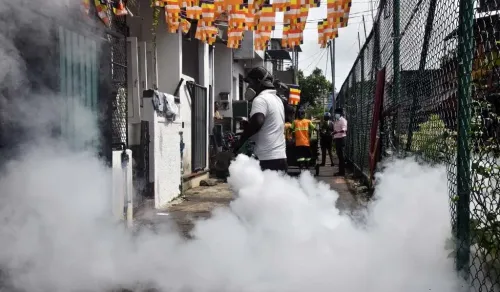
Sri Lanka has recorded 27,754 dengue cases and 14 deaths so far in 2026, with infections reported from all 25 districts across the country, health officials confirmed on 13 May 2026. The National Dengue Control Unit warned that the onset of monsoon rains could push transmission even higher in the weeks ahead.
Case Distribution and Hotspots
The Western Province has recorded the highest number of infections this year. Districts including Matara, Galle, Ratnapura, Kalutara, and Kandy have also logged significant case numbers during the first four months of 2026. Officials confirmed that the current tally is higher than the corresponding period in 2025, signalling an accelerating trend.
Monsoon Season Raises Alarm
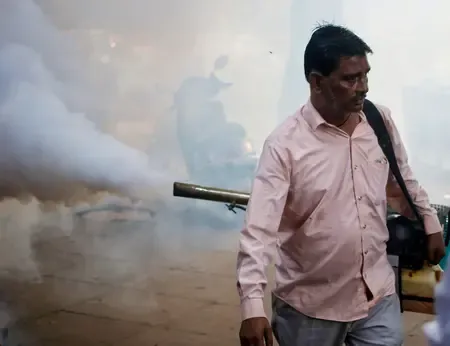
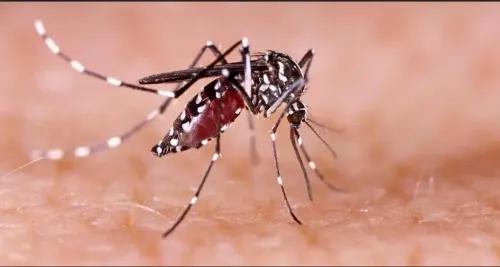
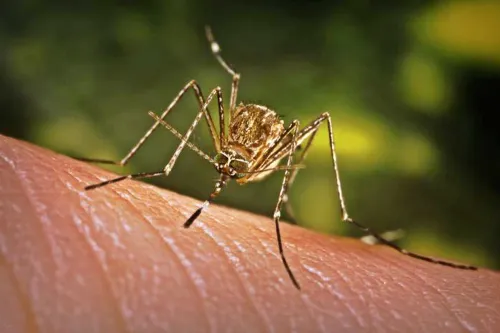
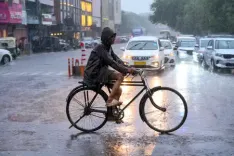
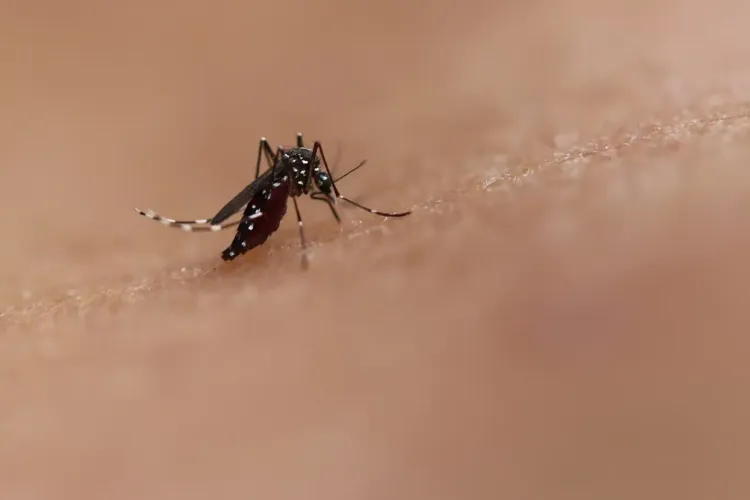
Community Medical Specialist Priscilla Samaraweera of the National Dengue Control Unit said at a media briefing held at the health ministry that the start of monsoon rains could further increase transmission. Standing water created by seasonal downpours provides ideal breeding conditions for the Aedes mosquito, the primary vector of the dengue virus.
Breeding Sites and Key Risk Factors
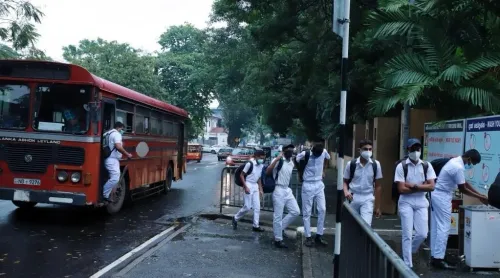
Officials noted a concerning shift in breeding patterns: mosquito proliferation has increased more in schools, workplaces, religious institutions, and government and private institutions than in households. Improper waste disposal was identified as a key contributing factor, with authorities emphasising the need for strict public cooperation in prevention efforts.
Symptoms, Severity, and What to Do
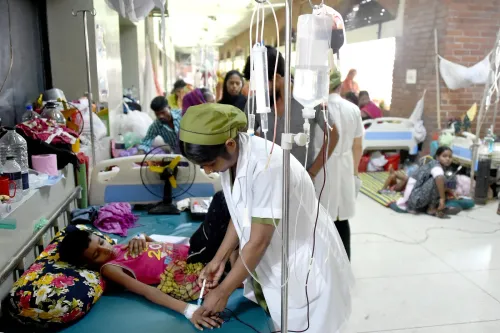
The public has been advised to seek medical attention without delay if fever is accompanied by at least two symptoms such as muscle pain, headache, vomiting, nausea, or skin rashes. Dengue, sometimes called break-bone fever, is a viral infection spread by mosquitoes and is more common in tropical and subtropical climates. Most patients recover within 1–2 weeks, but severe cases — more likely in those experiencing a second infection — can be fatal. Severe dengue symptoms include severe abdominal pain, persistent vomiting, rapid breathing, bleeding gums or nose, and fatigue, and typically appear after the initial fever subsides. There is currently no specific antiviral treatment; management focuses on pain relief and supportive care.
Global Context
The Sri Lanka outbreak comes against a backdrop of record global dengue burden. According to the World Health Organization (WHO), reported cases rose from approximately 505,430 in 2000 to 14.6 million in 2024 — the highest ever recorded in a single year — with more than 12,000 dengue-related deaths globally. The disease is now endemic in more than 100 countries. Experts note that actual case numbers are likely far higher, as the vast majority of infections are asymptomatic or mild and go unreported. With monsoon season approaching, Sri Lankan health authorities are expected to intensify surveillance and public awareness campaigns in the coming weeks.
Point of View
The window for containment is narrow. Sri Lanka's experience also mirrors a global pattern: dengue is no longer a seasonal anomaly but a year-round endemic reality in over 100 countries, and the 2024 record of 14.6 million cases should be a baseline, not a ceiling.
NationPress
22 Sept 2026
Frequently Asked Questions
How many dengue cases has Sri Lanka recorded in 2026?
Sri Lanka has recorded 27,754 dengue cases and 14 deaths so far in 2026, with infections reported from all 25 districts. The caseload is higher than the corresponding period in 2025.
Which districts in Sri Lanka have the most dengue cases?
The Western Province has recorded the highest number of infections. Matara, Galle, Ratnapura, Kalutara, and Kandy have also reported significant case numbers during the first four months of 2026.
Why is monsoon season a concern for dengue in Sri Lanka?
Monsoon rains create pools of standing water that serve as breeding grounds for the Aedes mosquito, which spreads dengue. Health officials have warned that the onset of the monsoon could further accelerate transmission rates.
What are the warning signs of severe dengue?
Severe dengue symptoms typically appear after the initial fever subsides and include severe abdominal pain, persistent vomiting, rapid breathing, bleeding gums or nose, and fatigue. People experiencing a second dengue infection face a higher risk of severe disease.
Where is dengue spreading most — homes or public institutions?
According to health officials, breeding has increased more in schools, workplaces, religious institutions, and government and private buildings than in households. Improper waste disposal has been identified as a key contributing factor.