New dengue strain in Sri Lanka raises infection risk; prevention week begins June 15
Synopsis
Sri Lanka is battling a new dengue variant that much of its population has never encountered before — a factor health authorities say could widen the outbreak beyond seasonal norms. With 41,144 cases and 24 deaths already recorded in 2025, the government has launched a structured six-day prevention blitz, backed by legal penalties for those who fail to eliminate breeding sites.
Key Takeaways
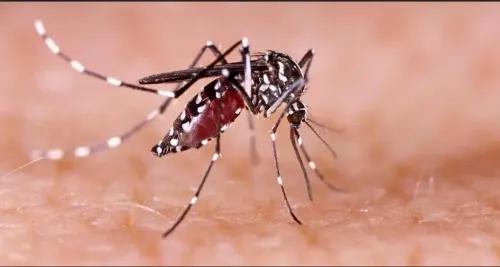
Sri Lanka is reporting a new dengue strain that carries mutations not previously detected in the country, raising population-wide vulnerability.
41,144 dengue cases and 24 deaths — including four children — have been recorded in 2025 so far.
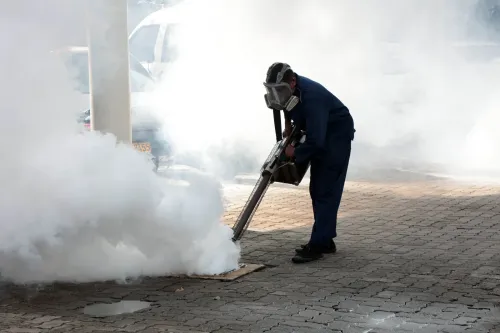
The Special Dengue Prevention Week runs from 15 to 20 June , targeting public spaces, schools, workplaces, and homes on successive days.
Maintaining mosquito breeding sites is a punishable offence under Sri Lankan law; construction sites face potential court-ordered shutdowns.
The National Dengue Control Unit has urged the public to clear stagnant water and seek medical care immediately upon developing a fever.
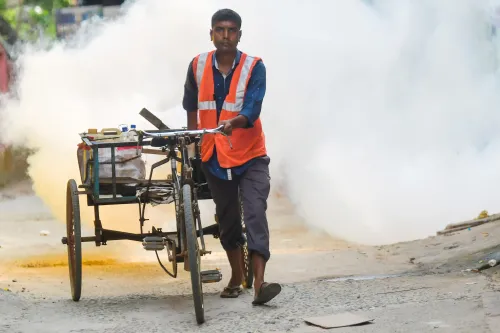
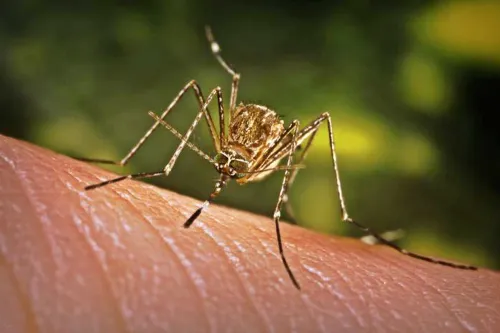
A new strain of the dengue virus is circulating in Sri Lanka, heightening transmission risks across the island, Deputy Minister of Health Hansaka Wijemuni warned on Monday, 15 June, as the government launched a structured, week-long national prevention drive. The announcement comes against a backdrop of 41,144 dengue cases and 24 deaths recorded in the country so far this year, including four children.
What Makes This Strain Different
Wijemuni told reporters that the currently circulating virus carries several mutations not seen in strains previously detected in Sri Lanka. Because a large share of the population has had no prior exposure to this variant, a significantly broader section of the public is now susceptible to infection — a factor that health authorities say could accelerate case counts if breeding sites are not controlled quickly.
Notably, dengue viruses belong to four distinct serotypes, and immunity to one does not protect against others. A novel variant within any serotype can effectively reset population immunity, a pattern seen in other South and Southeast Asian countries during past outbreaks.
Special Dengue Prevention Week: Day-by-Day Plan
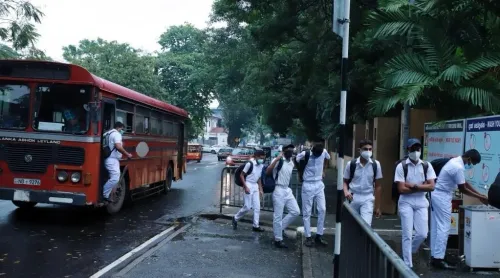
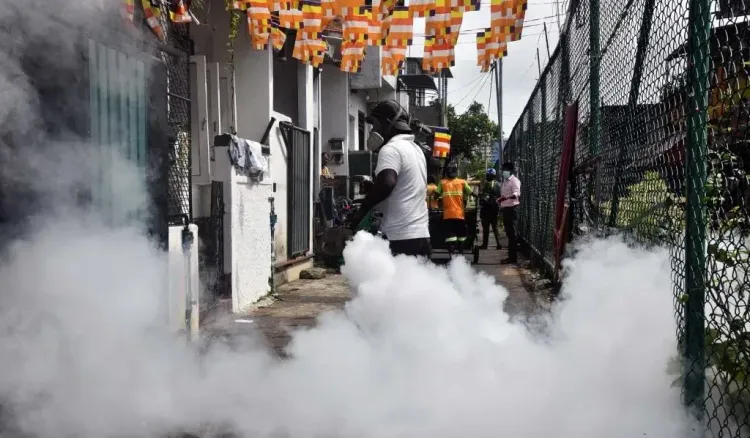
The Special Dengue Prevention Week runs from 15 June to 20 June, with each phase targeting a distinct environment. From 15 to 17 June, inspection teams will cover public spaces across the island. On 18 June, the focus shifts to the education sector — schools, preschools, private institutions, and other children's facilities. 19 June is designated for public and private workplaces, while 20 June is reserved for residential premises and their surrounding environments.
Wijemuni said health authorities had anticipated a periodic surge in cases and had prepared accordingly. The government's response, he explained, centres on two pillars: reducing mosquito populations at source, and ensuring that patients receive timely medical care before their condition deteriorates.
Legal Consequences for Non-Compliance
Authorities have issued a firm warning: failure to eliminate mosquito breeding sites is a punishable offence under Sri Lankan law. Legal action will be initiated against individuals and entities that maintain environments conducive to dengue mosquito breeding. Construction sites will receive special scrutiny during the programme, and courts may be petitioned to suspend operations at sites that pose a public health threat.
Public Health Advisory
The National Dengue Control Unit urged residents to inspect and clear potential breeding grounds — stagnant water in containers, tyres, flower pots, and drainage — in and around their homes. It also called on anyone developing a fever to seek immediate medical attention, stressing that early treatment significantly reduces the risk of severe dengue. Wijemuni underscored that government action alone cannot contain the spread and that community participation is essential.
With the rainy season typically amplifying mosquito activity, health officials are expected to monitor case trajectories closely through the remainder of June and into July.
Point of View
The epidemiological ceiling for case counts rises sharply — and Sri Lanka's 41,144 cases before mid-June suggests the outbreak is already tracking above historical baselines. The six-day zonal prevention plan is operationally sound, but its success depends entirely on community compliance, which past dengue campaigns in South Asia have struggled to sustain beyond the first few days. The legal penalty mechanism is a stronger lever than awareness drives alone, but enforcement at scale — particularly across thousands of construction sites — will test the capacity of local authorities. The deeper question is whether Sri Lanka's surveillance infrastructure can track the new strain's spread granularly enough to trigger targeted responses, rather than blanket island-wide drives that dilute resources.
NationPress
19 Sept 2026
Frequently Asked Questions
What is the new dengue strain reported in Sri Lanka?
Sri Lankan health authorities have identified a dengue virus strain carrying several mutations not previously detected in the country. Because much of the population has not been exposed to this variant before, a larger share of people are susceptible to infection, according to Deputy Minister of Health Hansaka Wijemuni.
How many dengue cases and deaths has Sri Lanka recorded in 2025?
Sri Lanka has reported 41,144 dengue cases and 24 deaths as of 15 June 2025, with four of those deaths being children. Health authorities say they had anticipated a periodic rise in cases and had prepared a response plan.
What is the Special Dengue Prevention Week and when does it run?
The Special Dengue Prevention Week is a government-led, island-wide inspection and clean-up drive running from 15 to 20 June 2025. It targets public spaces on 15-17 June, schools on 18 June, workplaces on 19 June, and residential areas on 20 June.
What are the legal consequences for not eliminating dengue breeding sites in Sri Lanka?
Maintaining environments that facilitate dengue mosquito breeding is a punishable offence under Sri Lankan law. Authorities have warned that legal action will be taken against non-compliant individuals and entities, and courts may be petitioned to halt operations at construction sites that pose a public health risk.
What should the public do to protect themselves from dengue in Sri Lanka?
The National Dengue Control Unit advises residents to remove stagnant water from containers, tyres, flower pots, and drainage areas around their homes. Anyone who develops a fever is urged to seek immediate medical treatment, as early care significantly reduces the risk of severe dengue.