Sri Lanka women MPs brief India envoy on May 2026 visit learnings
Synopsis
Sri Lanka's Women Parliamentarians' Caucus completed its first-ever visit to India in May 2026 — a 19-member delegation that met the Lok Sabha Speaker, Delhi's Chief Minister, and Anganwadi workers on the ground. The follow-up briefing with India's High Commissioner in Colombo signals this is more than a one-off exchange: both sides are now exploring formalised frameworks on gender budgeting and women-led governance.
Key Takeaways
A 19-member delegation of the Women Parliamentarians' Caucus of Sri Lanka visited India from 10–16 May 2026 — the first-ever such visit.
The delegation was led by Saroja Savithri Paulraj , Sri Lanka's Minister of Women and Child Affairs , and included 15 MPs and 4 parliamentary officials .
The visit was organised by PRIDE in collaboration with India's Ministry of External Affairs .
The delegation met Lok Sabha Speaker Om Birla , Union Minister Annapurna Devi , and Delhi CM Rekha Gupta .
Focus areas included gender budgeting , women-led development , maternal and child nutrition , and the care economy .
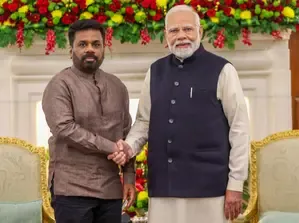
The visit was part of the joint vision of PM Narendra Modi and President Anura Kumara Dissanayake to deepen parliamentary cooperation.
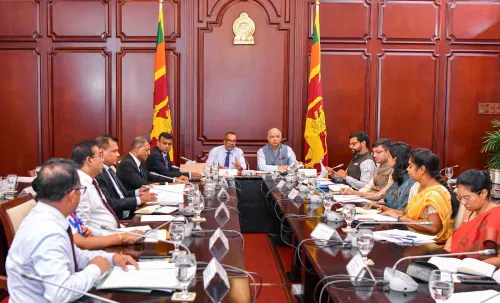
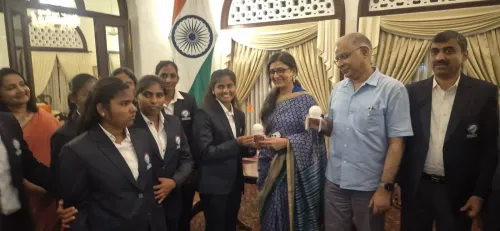
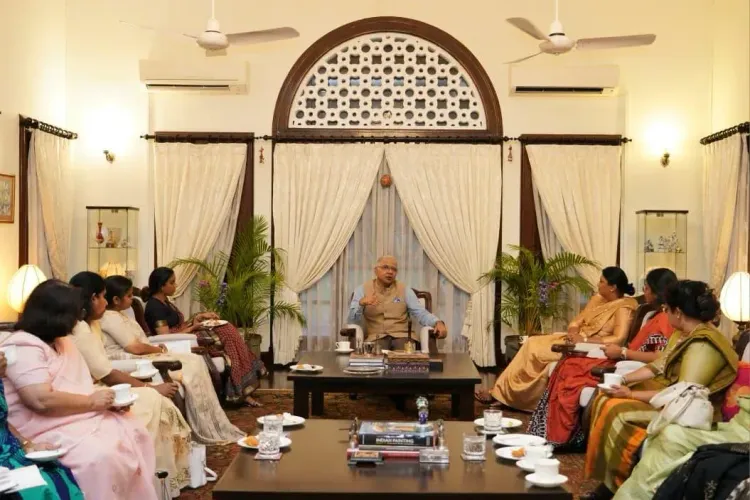
A 19-member delegation of the Women Parliamentarians' Caucus of Sri Lanka on Thursday, 11 June 2026, met High Commissioner Santosh Jha in Colombo to share their experiences and learnings from a landmark visit to India in May 2026. The meeting marked a follow-up to what was the first-ever visit of the Caucus to India, organised under the joint vision of Prime Minister Narendra Modi and Sri Lankan President Anura Kumara Dissanayake to deepen parliamentary ties.
About the Delegation and the Historic Visit
The delegation, led by Saroja Savithri Paulraj, Minister of Women and Child Affairs of Sri Lanka, comprised 15 Members of Parliament and four officials of the Parliament of Sri Lanka, including the Secretary General. The group visited India from 10 to 16 May 2026 in a programme organised by the Parliamentary Research and Training Institute for Democracies (PRIDE) in collaboration with the Ministry of External Affairs (MEA), Government of India.
The visit was the first of its kind for the Women Parliamentarians' Caucus of Sri Lanka, signalling a new chapter in bilateral parliamentary engagement focused specifically on women's leadership and governance.
Key Areas of Exposure
According to the High Commission of India in Colombo, the delegation received comprehensive exposure to India's governance models, with a focus on women's empowerment and child welfare. Interactions included sessions with Delhi Police, Anganwadi workers, and Women Self-Help Groups, offering ground-level insights into community-driven development programmes.
Discussions covered gender budgeting, women-led development, maternal and child nutrition, digitisation, community engagement, and the care economy — areas where India has rolled out large-scale national initiatives in recent years.
High-Level Meetings in India
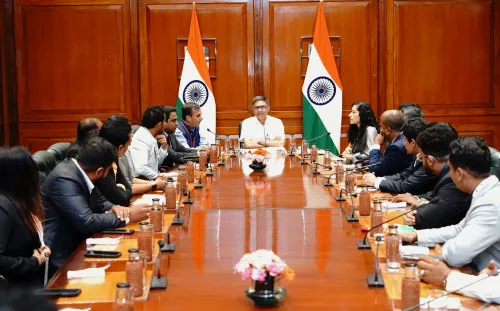
During the visit, the Sri Lankan delegation called on Om Birla, Speaker of the Lok Sabha. They also met Annapurna Devi, Minister for Women and Child Development, and Rekha Gupta, Chief Minister of Delhi. These engagements provided the delegation direct access to India's legislative leadership and executive decision-makers on women's policy.
Broader Bilateral Significance
The High Commission noted that the visit 'reiterated the continued commitment of India and Sri Lanka to deepen parliamentary engagement and share developmental experiences,' underscoring 'the importance of women-led transformation and institutional collaboration in advancing inclusive and sustainable development in the two countries.'
This comes amid a broader warming of India-Sri Lanka ties under President Dissanayake, who took office in late 2024 and has prioritised people-to-people and institutional linkages with New Delhi. Parliamentary exchanges of this nature are increasingly being used as soft-diplomacy instruments to build durable bilateral frameworks beyond trade and security.
With the Caucus now having completed its first India visit, both sides are reportedly exploring mechanisms to formalise the exchange of best practices — a process that could shape Sri Lanka's upcoming policy deliberations on gender budgeting and women's political representation.
Point of View
New Delhi is building a layer of bilateral goodwill that is harder to unravel with a change of government. Sri Lanka is in the middle of a significant policy reset under President Dissanayake, and exposure to India's Self-Help Group model and gender budgeting frameworks could directly influence Colombo's upcoming legislative agenda. The fact that this was the first-ever such visit — and that a formal follow-up briefing was held within weeks — suggests both sides see institutional value in scaling this up. The real test will be whether the 'exchange of best practices' translates into traceable policy adoption in Sri Lanka, or remains a diplomatic optic.
NationPress
20 Sept 2026
Frequently Asked Questions
What was the Women Parliamentarians' Caucus of Sri Lanka's visit to India about?
The 19-member delegation visited India from 10 to 16 May 2026 to gain exposure to India's governance models on women's empowerment, child welfare, gender budgeting, and women-led development. It was the first-ever visit of the Caucus to India, organised by PRIDE in collaboration with India's Ministry of External Affairs.
Who led the Sri Lankan delegation to India?
The delegation was led by Saroja Savithri Paulraj, Sri Lanka's Minister of Women and Child Affairs. It comprised 15 Members of Parliament and four parliamentary officials, including the Secretary General of the Parliament of Sri Lanka.
Which Indian leaders did the Sri Lankan delegation meet?
The delegation met Lok Sabha Speaker Om Birla, Union Minister for Women and Child Development Annapurna Devi, and Delhi Chief Minister Rekha Gupta. They also interacted with Delhi Police, Anganwadi workers, and Women Self-Help Groups.
Why is this visit significant for India-Sri Lanka relations?
It is the first parliamentary exchange of this nature between the two countries focused specifically on women's leadership and governance, and was undertaken in pursuance of the joint vision of PM Narendra Modi and Sri Lankan President Anura Kumara Dissanayake to deepen bilateral parliamentary cooperation.
What topics were discussed during the India visit?
Discussions covered gender budgeting, women-led development, maternal and child nutrition, digitisation, community engagement, the care economy, and women's leadership in politics and governance — areas where India has developed large-scale national programmes.