Annual Tuberculosis Cases in Sri Lanka Reach 9,500
Synopsis
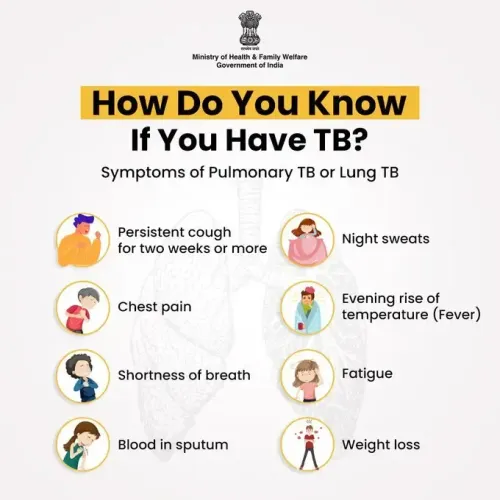
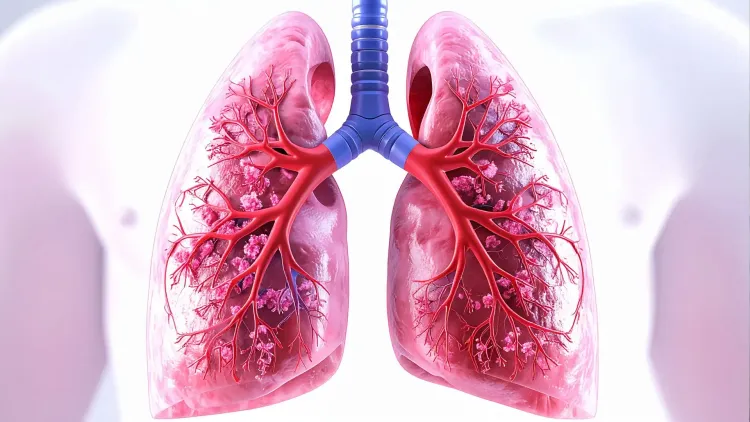
Sri Lanka is grappling with a significant public health challenge, reporting between 8,500 and 9,500 tuberculosis cases annually. With a focus on prevention and treatment, health authorities are working to combat this infectious disease that primarily impacts the lungs.
Key Takeaways
Sri Lanka records **8,500 to 9,500 tuberculosis cases** annually. **75% of patients** have pulmonary TB. **45% of cases** are from the **Western Province**. **TB is preventable and treatable**.
BCG vaccine is used to protect infants from TB.
Colombo, March 19 (NationPress) Sri Lanka sees an annual incidence of between 8,500 and 9,500 tuberculosis (TB) cases, according to a senior representative from the National Programme for Tuberculosis Control and Chest Diseases (NPTCCD). The nation identified 8,726 TB patients in 2025, with approximately 75% suffering from pulmonary TB, and around 5,500 individuals carrying infectious bacteria capable of spreading the disease, as stated by Mizaya Cader, a consultant community physician at the NPTCCD.
Cader noted that nearly 45% of all TB cases in the country originate from the Western Province. The disease is particularly prevalent in densely populated neighborhoods in the Colombo district, such as Modara, Mattakkuliya, Borella, Wanathamulla, and Grandpass.
Health officials anticipate a minor reduction of about 500 cases in the coming year, as reported by the Xinhua news agency.
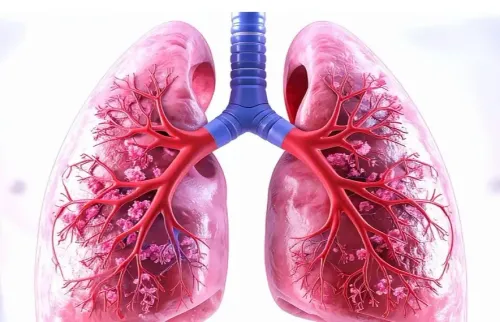
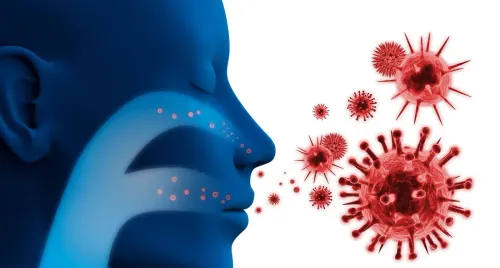
TB is a contagious disease primarily affecting the lungs, transmitted through the air when an infected person coughs, sneezes, or spits.
Fortunately, tuberculosis is both preventable and treatable. Approximately one-quarter of the global population is estimated to have been infected with the TB bacteria. Typically, individuals with TB infection do not exhibit symptoms and are not contagious. However, about 5-10% of those infected will go on to develop active TB disease. Infants and young children are at a heightened risk for developing the disease if they become infected.
Active TB disease is generally treated with antibiotics, and failure to treat can lead to severe consequences.
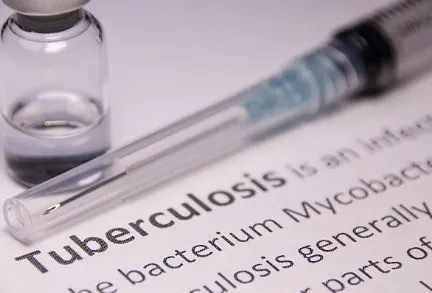
In certain regions, the Bacille Calmette-Guérin (BCG) vaccine is administered to infants and young children to help prevent TB. This vaccine has proven effective in reducing fatalities associated with TB and shielding children from severe forms of the disease.
In conclusion, while most individuals infected with TB do not feel unwell or spread the disease, a small segment will develop symptoms, with children being particularly vulnerable.
Point of View
It's essential to highlight the ongoing public health issue of tuberculosis in Sri Lanka. The reported cases emphasize the need for robust healthcare measures and public awareness. The focus should be on prevention and effective treatment to address this significant challenge.
NationPress
2 Oct 2026
Frequently Asked Questions
What is the annual rate of tuberculosis cases in Sri Lanka?
Sri Lanka reports between **8,500 and 9,500 tuberculosis cases annually**.
What percentage of TB patients have pulmonary TB?
Approximately **75% of TB patients** in Sri Lanka have pulmonary TB.
What areas in Sri Lanka report the highest TB cases?
The **Western Province** and densely populated areas in the **Colombo district** report the highest TB cases.
Is tuberculosis preventable?
Yes, tuberculosis is **preventable and curable**.
What is the BCG vaccine used for?
The **BCG vaccine** is given to babies to prevent tuberculosis and reduce the risk of serious forms of the disease.