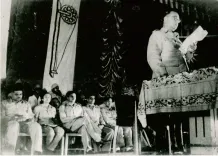
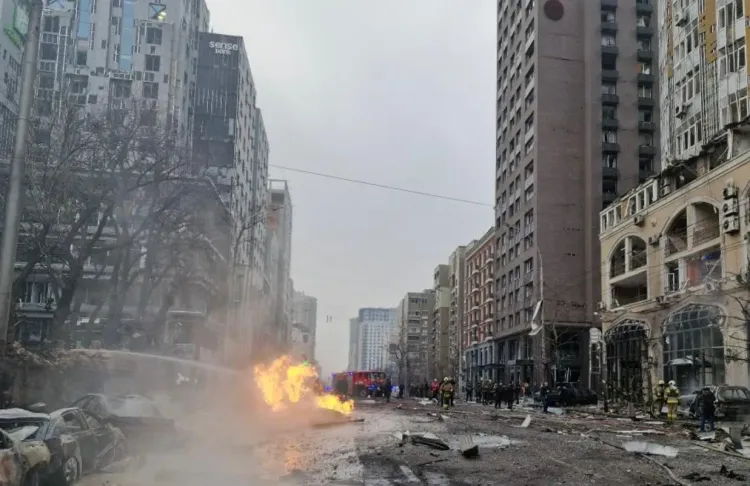
St. Petersburg hit by massive Ukrainian drone attack, 86 UAVs downed
Synopsis
Ukraine struck St. Petersburg with a large-scale drone barrage on the closing day of Russia's premier economic forum, with 86 UAVs reportedly downed. Hours earlier, Putin publicly dismissed Zelensky's open letter proposing direct peace talks as 'rude' — making this one of the sharpest single-day escalations in the conflict's diplomatic and military tracks simultaneously.
Key Takeaways
Petersburg was struck by a large-scale Ukrainian drone attack on 6 June , the second such assault during the St.
Petersburg International Economic Forum .
86 UAVs were reportedly shot down over the Leningrad region by Saturday morning, according to the regional governor.
Governor Alexander Beglov confirmed the attack and urged residents to remain indoors while air defences operated.
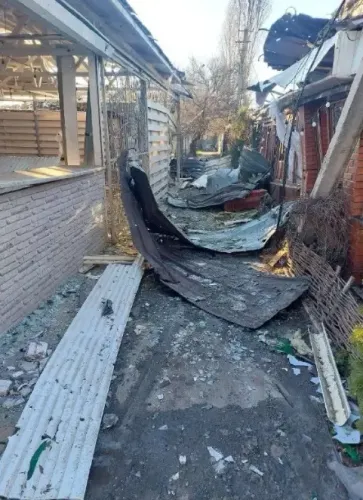
No casualties or infrastructure damage have been reported.
President Vladimir Putin ruled out a face-to-face meeting with President Volodymyr Zelensky at the same forum, calling Zelensky's open letter proposal 'rude' and the meeting 'useless' without a prior peace framework.
Zelensky had proposed Switzerland , Turkey , and Arab World nations as potential venues for direct talks.
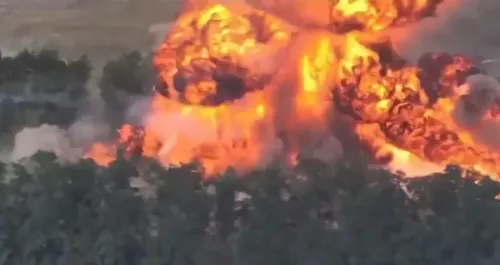
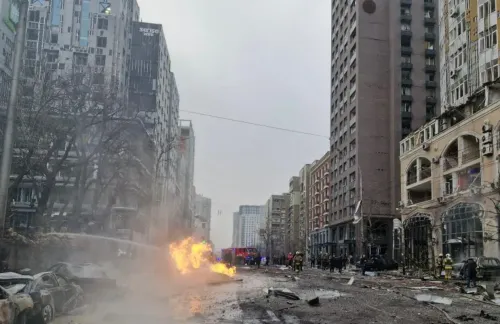
St. Petersburg came under a large-scale Ukrainian drone attack on Saturday, 6 June, with St. Petersburg Governor Alexander Beglov confirming the assault via his official channel and urging residents to stay indoors as air defence systems engaged the incoming unmanned aerial vehicles. The attack is the second major drone strike on the city and the surrounding Leningrad region since the opening of the St. Petersburg International Economic Forum (SPIEF) this week.
Scale of the Attack
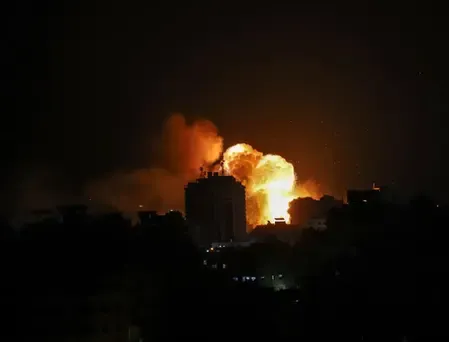
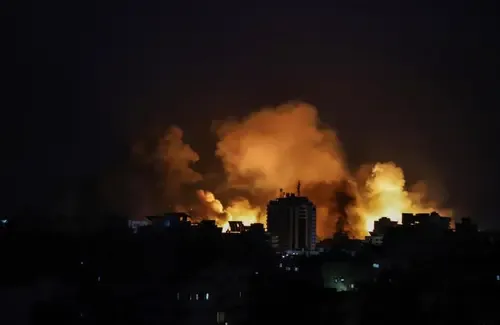
According to the governor of the Leningrad region, 86 UAVs had been intercepted and shot down by Saturday morning. Residents across both St. Petersburg and the Leningrad region reported hearing powerful sonic impacts consistent with explosions from the early hours of the morning.
Governor Beglov stated: 'On the morning of June 6, St. Petersburg came under a large-scale attack by military unmanned aerial vehicles. Air defence systems are operating. In accordance with the recommendations of the Operational Command, I ask St. Petersburg residents to remain in their homes and not to go outside.'
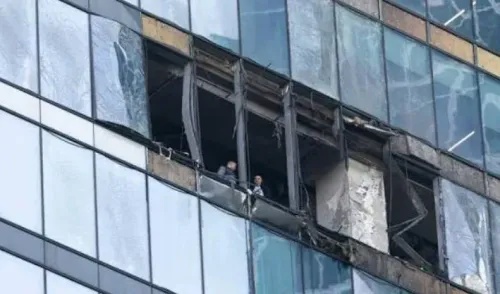
No casualties or damage to critical infrastructure have been reported as of the time of writing.
Attack Coincides with SPIEF Closing Day
The timing is notable: the assault struck on the final day of the St. Petersburg International Economic Forum, one of Russia's most prominent annual economic summits. This marks the second drone attack on the city during the forum's run, raising questions about the symbolic and strategic intent behind the targeting.
Putin Rules Out Zelensky Meeting at SPIEF
The drone strike came hours after Russian President Vladimir Putin, speaking before the plenary session of the same forum, declared he 'still sees no reason' to hold a face-to-face meeting with Ukrainian President Volodymyr Zelensky. Zelensky had issued an open letter proposing direct talks, suggesting Switzerland, Turkey, and countries of the Arab World as potential venues.
Putin said he had reviewed the letter briefly after Kremlin spokesman Dmitry Peskov passed it to him, but characterised its tone critically. 'The letter effectively contains elements of rudeness. Is it a way to create conditions for a meeting and negotiations, or to create a context in which any meeting becomes impossible? I believe it is the second option,' Putin said, according to reports.
Putin added that a meeting would be 'useless' until a peace agreement is reached, and that talks should be left to specialists first. 'Military actions will end sooner or later, we are convinced of that. Without a doubt, they will end once the objectives we have set for ourselves are achieved,' he said.
Zelensky's Proposal
In his open letter, Zelensky had written: 'Ukraine proposes ending this war through direct engagement between us — and you. I am proposing a meeting.' He also cautioned that 'it would be wrong to simply wait until the war in Europe returns to the centre of its attention,' urging immediate direct dialogue.
What Comes Next
With Putin publicly dismissing the prospect of a near-term summit and drone strikes continuing to target Russian cities, the path to any ceasefire or negotiated settlement appears distant. The international community will be watching whether the SPIEF statements harden into an official Russian position ahead of any future diplomatic overtures.
Point of View
With Putin dismissing the open letter as 'rude,' suggests both sides are playing to domestic audiences rather than any genuine negotiating table. What is missing from mainstream coverage is the pattern: this is the second drone strike on St. Petersburg during a single forum, signalling a deliberate Ukrainian strategy of targeting the optics of Russian normalcy. With no ceasefire framework in sight and escalation on both tracks, the risk of miscalculation — particularly near a city of St. Petersburg's civilian density — deserves more scrutiny than it is receiving.
NationPress
21 Oct 2026
Frequently Asked Questions
What happened in St. Petersburg on 6 June 2025?
St. Petersburg came under a large-scale Ukrainian drone attack on 6 June, with Governor Alexander Beglov confirming the assault and urging residents to stay indoors. According to the Leningrad region governor, 86 UAVs were shot down by Saturday morning, and no casualties or infrastructure damage were reported.
How many drones were intercepted during the St. Petersburg attack?
According to the governor of the Leningrad region, 86 UAVs were shot down by Saturday morning. Air defence systems were actively engaged throughout the attack.
Why is the timing of the drone attack significant?
The attack occurred on the final day of the St. Petersburg International Economic Forum (SPIEF), and was reportedly the second drone strike on the city during the forum's run. This timing is widely seen as a deliberate signal by Ukraine targeting the optics of Russian economic diplomacy.
Did Putin agree to meet Zelensky for peace talks?
No. President Putin, speaking at SPIEF on the same day, ruled out a face-to-face meeting with President Zelensky, calling Zelensky's open letter proposal 'rude' and describing a meeting as 'useless' until specialists develop a peace framework first.
What did Zelensky propose in his open letter to Putin?
Zelensky proposed direct talks between the two leaders to end the war, suggesting Switzerland, Turkey, and Arab World countries as potential host venues. He warned it would be 'wrong to simply wait' for the war to regain international attention.