Syria removed from US terror sponsors list after 46 years of isolation
Synopsis
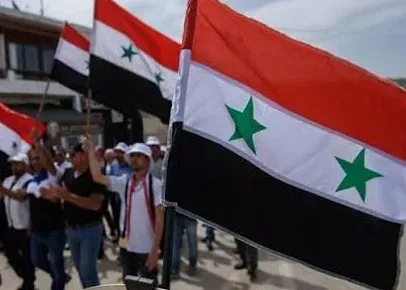
After 46 years on Washington's blacklist, Syria has been formally removed from the US list of state sponsors of terrorism — a seismic diplomatic shift that Damascus says opens a new chapter for reconstruction and international investment. The decision, backed by Trump, Rubio, and Treasury Secretary Bessent, signals a dramatic reset in US-Syria ties under the new Al Shara government.
Key Takeaways
The United States formally revoked Syria's state sponsor of terrorism designation on 25 August , ending a 46-year listing first imposed in 1979 .
Syria's foreign affairs authority called the move a 'new chapter in Syria's international relations' that will support economic recovery and reconstruction.
US Special Presidential Envoy Thomas Barrack confirmed the revocation, saying the designation had long denied Syrians investment and opportunity.
Secretary of State Marco Rubio cited 'positive actions' by the Syrian government under President Ahmad Al Shara to distance the country from international terrorism.
Treasury Secretary Scott Bessent said the move fulfils President Trump 's promise and will help attract investment to promote political and economic stability.
Syria remains on the same blacklist as Iran , Cuba , and North Korea — though Syria has now been removed from that grouping.
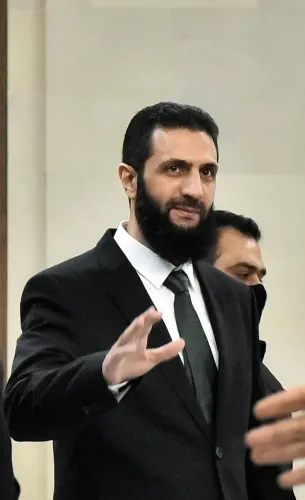
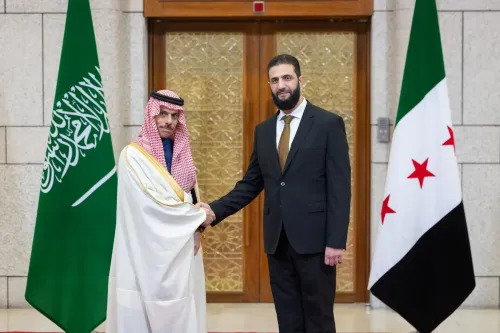
Syria on 25 August welcomed the United States decision to formally revoke its designation as a state sponsor of terrorism, calling the move a pivotal step toward ending more than four decades of international isolation. The announcement marks one of the most significant diplomatic shifts in the Middle East since Syria's political transition under President Ahmad Al Shara.
Syria's Response to the Decision
In an official statement, Syria's foreign affairs authority said the decision 'opens a new chapter in Syria's international relations.' The authority added that the removal would support the country's economic recovery, help create conditions for reconstruction, and strengthen stability and security across the country. Damascus had long sought relief from the designation, which had effectively cut it off from global financial systems and foreign investment.
What the US Said
US Special Presidential Envoy for Syria and Iraq Thomas Barrack confirmed on Monday that Washington had formally revoked Syria's state sponsor of terrorism designation. Barrack said the label had for too long separated the 'Syrian people from the investment, enterprise, and opportunity necessary to rebuild their nation,' adding: 'Today, another wall comes down.'
Treasury Secretary Scott Bessent framed the move as a fulfilment of a presidential commitment. 'Treasury is following through on President Trump's promise to give the Syrian people a chance at greatness,' Bessent said. 'Today's action will help foster additional investment in Syria to promote political and economic stability.'
Secretary of State Marco Rubio attributed the decision to concrete steps taken by Damascus. 'These actions were all taken in recognition of the positive actions taken and further commitments by the Syrian government under President Ahmad Al Shara to fully distance Syria from acts of international terrorism,' Rubio said in a statement, adding: 'In the past year, the government of Syria has taken significant steps to counter terrorism.'
Four Decades on the US Blacklist
The United States first designated Syria as a state sponsor of terrorism in 1979, citing the then-government's ties with Lebanon's Hezbollah, Palestinian factions, and Iran. Syria joined a short list that currently also includes Iran, Cuba, and North Korea. The designation had persisted for 46 years, surviving multiple administrations and surviving even periods of tentative diplomatic engagement.
Notably, this removal comes amid a broader reconfiguration of Syrian politics following the fall of the Assad government, with the new administration under Al Shara actively seeking reintegration into the international community.
What Comes Next for Syria
The revocation is expected to unlock pathways for foreign direct investment, international reconstruction funding, and re-engagement with global financial institutions from which Syria had been largely excluded. Analysts note that sanctions relief — distinct from the terror-list removal — will be a separate and more complex process. The full economic impact will depend on how quickly the US and allied governments move to ease the broader sanctions architecture that remains in place. Syria's reconstruction needs are estimated to run into hundreds of billions of dollars, making international investment access a critical variable in the country's recovery trajectory.
Point of View
But it should not be conflated with full sanctions relief — the broader sanctions architecture remains intact and will require separate, more laborious unwinding. The Trump administration's framing of this as a 'chance at greatness' for the Syrian people is politically convenient, but the harder work of reconstruction financing and institutional rebuilding lies ahead. What is notable is the speed of the pivot: Washington maintained the designation through decades of geopolitical turbulence, only to reverse course within months of a Syrian leadership change. That raises a legitimate question about whether the policy shift is driven by genuine reform in Damascus or by US strategic repositioning in the post-Assad Middle East.
NationPress
25 Aug 2026
Frequently Asked Questions
Why was Syria removed from the US list of state sponsors of terrorism?
The US revoked Syria's designation citing 'positive actions' taken by the new Syrian government under President Ahmad Al Shara to distance the country from international terrorism. Secretary of State Marco Rubio said Syria had taken significant steps to counter terrorism over the past year.
How long was Syria on the US state sponsors of terrorism list?
Syria was designated a state sponsor of terrorism by the United States in 1979 and remained on the list for 46 years. The designation was originally linked to the then-government's ties with Hezbollah, Palestinian factions, and Iran.
What does Syria's removal from the terror list mean for its economy?
The removal is expected to open pathways for foreign investment, international reconstruction funding, and greater access to global financial systems. Syria's foreign affairs authority said it would support economic recovery and create conditions for reconstruction, though broader US sanctions remain a separate issue.
Who announced the US decision to remove Syria from the terror sponsors list?
US Special Presidential Envoy for Syria and Iraq Thomas Barrack confirmed the formal revocation. Treasury Secretary Scott Bessent and Secretary of State Marco Rubio also issued statements supporting the decision, framing it as recognition of Syria's steps away from terrorism under President Ahmad Al Shara.
Which other countries remain on the US state sponsors of terrorism list?
Iran, Cuba, and North Korea remain on the US state sponsors of terrorism list. Syria had been grouped with these countries since 1979 and is now the first to be removed in recent years.