CBI books Junagadh Ayurvedic College trustee over ₹10 lakh bribe offer to NCISM panel
Synopsis
The CBI has booked the trustee of a Junagadh Ayurvedic college and a faculty member for allegedly offering ₹10 lakh to an NCISM panel member to whitewash 13 suspected ghost teachers — a case that exposes how regulatory verification in India's medical education sector can be targeted for corruption.
Key Takeaways
CBI registered an FIR on 25 August against Pratik Mori , trustee of Nobel Ayurvedic College, Junagadh , and faculty member Dr Abhay Nalawade .
The alleged bribe of ₹10 lakh was offered to Dr Rupali R.
Mahadik , an NCISM Hearing Committee member, to clear the names of 13 suspected ghost teachers .
The first approach was made via a WhatsApp call on 18 August ; trustee Mori allegedly made the direct offer on 20 August , promising payment in Delhi on 22 August .
Mahadik filed a handwritten complaint with the CBI on 21 August after refusing the alleged bribe.
The case is registered under Section 61(2) of the BNS, 2023 and Section 8 of the Prevention of Corruption Act, 1988 ; allegations are yet to be proven in court.
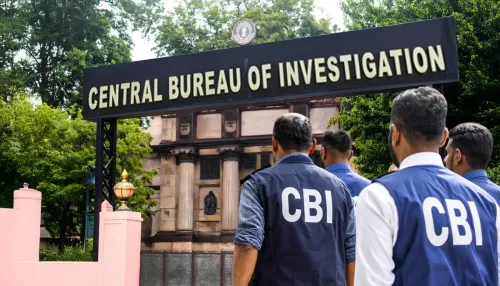
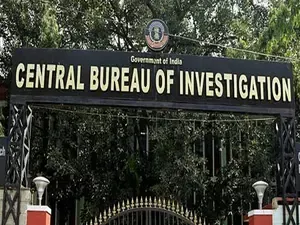
The Central Bureau of Investigation (CBI) has registered a case against Pratik Mori, trustee of Nobel Ayurvedic College in Junagadh, Gujarat, and faculty member Dr Abhay Nalawade for allegedly offering a ₹10 lakh bribe to a member of a hearing committee of the National Commission for Indian System of Medicine (NCISM), according to the FIR filed on 25 August. The alleged offer was made to secure a favourable assessment report for 13 teachers of the college who were suspected of being ghost faculty — present only on paper.
Background: What Triggered the Probe
Dr Rupali R. Mahadik, Principal of Prabuddh Ayurvedic Medical College in Lucknow, had been assigned by the NCISM as a member of its Hearing Committee to verify the credentials and physical presence of the 13 teachers linked to Nobel Ayurvedic College. The NCISM is the statutory body responsible for regulating education and professional standards across Indian systems of medicine.
According to the FIR, on 18 August, Mahadik allegedly received a WhatsApp call from Nalawade, who purportedly offered her a bribe in exchange for submitting a favourable report on the teachers in question.
How the Alleged Bribe Attempt Unfolded
Mahadik informed Dr Mukul Patel, President of the Medical Assessment and Rating Board for Indian System of Medicine (MARBISM) under the NCISM, about the alleged approach. According to the FIR, Patel advised her to maintain contact with the individuals making the offer so that the attempt could be documented and the accused apprehended with evidence.
On 20 August, trustee Pratik Mori allegedly spoke directly to Mahadik and offered ₹10 lakh in return for clearing the names of all 13 teachers and submitting a positive report. Mori allegedly promised the payment would be made on 22 August in Delhi, as per the FIR.
Complaint Filed, CBI Registers Case
Unwilling to accept the alleged bribe, Mahadik submitted a handwritten complaint dated 21 August to the CBI, seeking legal action against Mori and Nalawade. The agency subsequently conducted discreet verification of the allegations, which prima facie corroborated that the two accused had offered and promised to pay ₹10 lakh to a public servant to influence an official assessment.
The CBI has registered the case under Section 61(2) of the Bharatiya Nyaya Sanhita (BNS), 2023, read with Section 8 of the Prevention of Corruption Act, 1988 (as amended in 2018). The provisions relate to criminal conspiracy and the offering of an undue advantage to a public servant.
Legal Status and Regulatory Context
The allegations are contained in the FIR and have not been established in a court of law. The case falls within the broader regulatory framework governing teacher verification and institutional assessment under the NCISM — a process that determines whether Ayurvedic colleges meet statutory staffing norms required for recognition and continued operation.
Notably, ghost faculty has been a persistent concern in medical and allied health education across India, with regulatory bodies including the NCISM and the National Medical Commission periodically flagging colleges for inflating teacher rolls to meet accreditation thresholds. This case, if proven, would represent a direct attempt to subvert that verification mechanism.
Point of View
The verification officer becomes a target. The NCISM has been tightening norms on ghost faculty, but that very tightening creates pressure points for corruption. What is notable here is that the system worked — the committee member refused and reported — but that outcome depended entirely on individual integrity rather than institutional safeguards. The CBI's swift registration of the FIR matters less than whether the NCISM builds in structural deterrents, such as multi-member verification panels and randomised assignments, that reduce the incentive to attempt a bribe in the first place.
NationPress
25 Aug 2026
Frequently Asked Questions
What is the CBI case against Nobel Ayurvedic College trustee Pratik Mori?
The CBI has registered an FIR against Pratik Mori, trustee of Nobel Ayurvedic College in Junagadh, Gujarat, and faculty member Dr Abhay Nalawade for allegedly offering ₹10 lakh to an NCISM Hearing Committee member to clear 13 suspected ghost teachers. The case was filed on 25 August under the BNS and the Prevention of Corruption Act.
Who is Dr Rupali Mahadik and what was her role?
Dr Rupali R. Mahadik is the Principal of Prabuddh Ayurvedic Medical College in Lucknow and was assigned by the NCISM as a member of its Hearing Committee to verify the physical presence and credentials of 13 teachers at Nobel Ayurvedic College. She refused the alleged bribe and filed a complaint with the CBI on 21 August.
What are ghost faculty, and why does this case matter?
Ghost faculty refers to teachers listed on a college's rolls who are not actually present or teaching — a practice used to meet regulatory staffing norms for accreditation. This case matters because it allegedly represents a direct attempt to bribe a regulatory official into certifying such teachers as legitimate, undermining the NCISM's verification process.
Under which legal sections has the CBI registered the case?
The CBI registered the case under Section 61(2) of the Bharatiya Nyaya Sanhita (BNS), 2023, read with Section 8 of the Prevention of Corruption Act, 1988, as amended in 2018. These provisions cover criminal conspiracy and the offering of an undue advantage to a public servant. The allegations have not been proven in court.
What is the NCISM and what does it regulate?
The National Commission for Indian System of Medicine (NCISM) is a statutory body that regulates education and professional standards across Indian systems of medicine, including Ayurveda. Its Hearing Committee conducts verification assessments of faculty and infrastructure at colleges seeking recognition or continued accreditation.