South Korea's 2027 budget: ₩800 trillion record push for AI, semiconductors
Synopsis
South Korea is betting its biggest-ever budget — ₩800 trillion — on a structural economic transformation, not just growth. With semiconductor windfall revenues funding an AI superpower push, a lunar landing target by 2030, and record EV subsidies, the 2027 proposal is as much a geopolitical statement as a fiscal one.
Key Takeaways
South Korea is targeting a record-high 2027 budget of ₩800 trillion (US$540 billion) , announced by President Lee Jae Myung .
A new 'future response fund' will redirect semiconductor boom tax revenues into strategic, long-term investments.
The government plans to secure 10,000 GPUs and position South Korea among the world's top three AI powers .
Aerospace R&D funding will be increased with a goal of achieving a lunar landing by 2030 .
The budget includes record-high EV subsidies , support for nuclear-powered submarines , and full tuition for regional national university students.
The 'three megaprojects' initiative , unveiled in late June, targets semiconductors, physical AI, and AI data centres in regional areas.
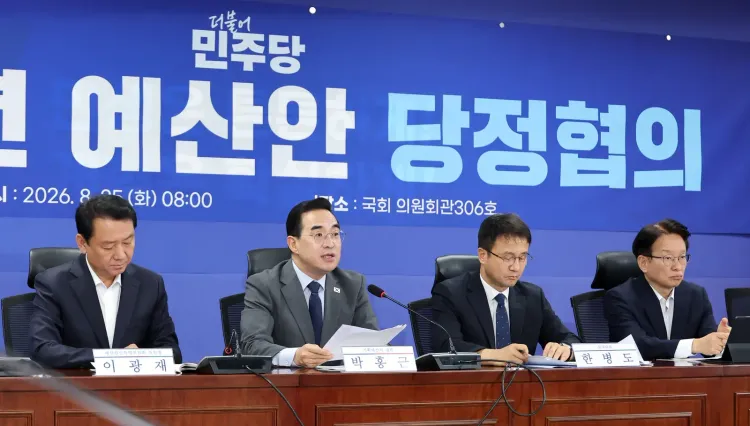
South Korea's ruling Democratic Party (DP) and the government on Tuesday, 25 August jointly underscored the need for an active fiscal policy stance and strategic investment in future industries, as President Lee Jae Myung eyes a record-high national budget of approximately ₩800 trillion (US$540 billion) for 2027. The proposal marks the most ambitious spending plan in the country's history, anchored by a newly created 'future response fund' designed to channel semiconductor boom revenues into long-term structural investments.
Key Priorities in the 2027 Budget Proposal
DP floor leader Han Byung-do, speaking at a consultative meeting between party and government officials, called on the administration to concentrate fiscal capacity on securing leadership in future industries. 'Above all, we should focus our fiscal capacity on securing leadership in future industries,' Han said, urging strategic allocation toward youth support, region-led growth, and emerging sectors.
DP chief policymaker Rep. Kwon Chil-seung echoed that push, specifically calling for strategic investments in artificial intelligence (AI) to position South Korea among the world's top three AI powers. 'The 2027 budget proposal should play an active fiscal role, not only in supporting the country's growth but also its transformation,' Kwon said, flagging bio, culture, defence, and energy as additional priority sectors.
The 'Future Response Fund' Explained
Budget Minister Park Hong-geun outlined the government's fiscal strategy, stating that increased tax revenues from the ongoing semiconductor boom will be directed into the 'future response fund' — earmarked for strategic, long-term investment rather than short-term expenditure. Park described the overarching goal as building an 'irreplaceable South Korea' through active fiscal management.
The five key investment areas identified by the DP and the government include advancing the AI sector and the 'three megaprojects' initiative — a large-scale programme unveiled in late June calling for concentrated investment in semiconductors, physical AI, and AI data centres in regional areas.
Aerospace, EVs, and Regional Development
The budget proposal also includes a significant scale-up in aerospace research and development, with the government targeting a lunar landing by 2030. Plans include securing 10,000 graphics processing units (GPUs) to develop frontier-level AI models.
Other headline commitments include record-high subsidies for electric vehicles (EVs), support for developing nuclear-powered submarines, and full tuition support for students at regional national universities. The ruling party also pledged to boost future growth engines such as aerospace, address economic polarisation, and improve public safety.
What This Means for South Korea's Economy
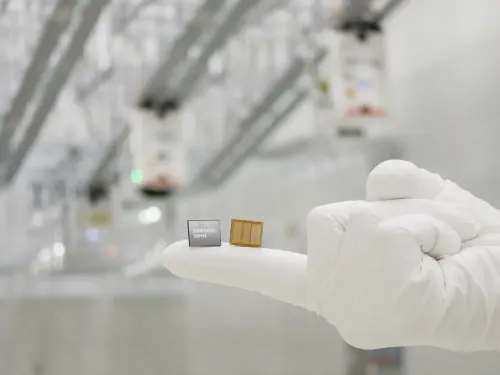
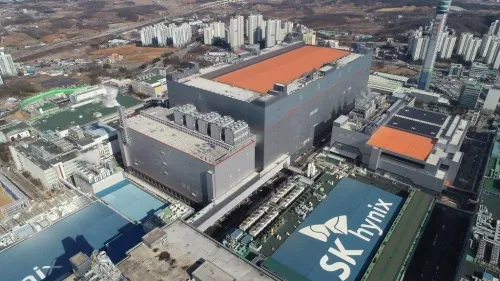
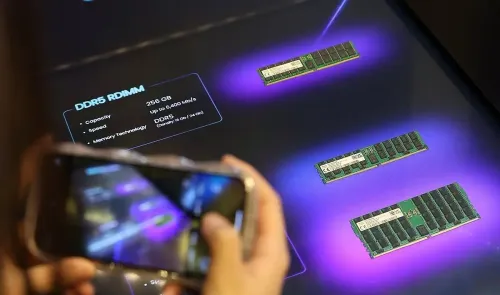
This comes amid a broader global race for AI and semiconductor supremacy, with South Korea seeking to leverage its existing chip-manufacturing strength — anchored by players like Samsung and SK Hynix — into a wider industrial transformation. Notably, the budget's reliance on semiconductor tax revenues introduces a cyclical risk: a downturn in chip demand could compress the fund's firepower.
The formal budget proposal is expected to be submitted to the National Assembly for approval in the coming months, where its record scale and sectoral allocations will face parliamentary scrutiny.
Point of View
But its funding logic carries an embedded vulnerability: it banks heavily on semiconductor boom revenues that are inherently cyclical. If chip demand softens — as it has before — the 'future response fund' shrinks precisely when transformation spending is needed most. The AI superpower ambition is credible given Korea's chip base, but the top-three target needs a credible benchmarking framework, not just GPU procurement numbers. The lunar landing goal by 2030 also deserves scrutiny — it is an ambitious timeline that most space agencies with far larger budgets have struggled to meet.
NationPress
25 Aug 2026
Frequently Asked Questions
What is South Korea's 2027 budget proposal?
South Korea's 2027 budget proposal targets a record ₩800 trillion (US$540 billion), the highest in the country's history. It is designed to fund strategic investments in AI, semiconductors, aerospace, electric vehicles, and regional development, with revenues from the ongoing semiconductor boom channelled into a dedicated 'future response fund.'
What is the 'future response fund' in South Korea's budget?
The 'future response fund' is a dedicated allocation within the 2027 budget that directs increased tax revenues generated by the semiconductor industry boom toward long-term strategic investments, rather than short-term spending. Budget Minister Park Hong-geun confirmed it will focus on AI, future industries, youth policies, and regional development.
What are the five key investment areas in the 2027 budget?
The five key areas identified by the Democratic Party and the government include advancing the AI sector, the 'three megaprojects' initiative (semiconductors, physical AI, and AI data centres), aerospace, youth support, and addressing economic polarisation and public safety.
What is South Korea's AI ambition under the new budget?
South Korea aims to become one of the world's top three AI powers through strategic budget investments. Plans include securing 10,000 graphics processing units (GPUs) to develop frontier-level AI models, as called for by DP chief policymaker Rep. Kwon Chil-seung.
What is the 'three megaprojects' initiative mentioned in the budget?
Unveiled in late June, the three megaprojects initiative calls for large-scale, regionally distributed investments in semiconductors, physical AI, and AI data centres. It is one of the five core pillars of the 2027 budget proposal.