Trump Visits Mack Trucks, Champions Made in America Push
Synopsis
The White House declared President Donald J. Trump has revived 'Made in America,' anchoring the message to a visit at Mack Trucks in Pennsylvania. The move reinforces Trump's signature Buy American and reshoring agenda, with potential implications for US trade policy and the heavy-vehicle manufacturing sector.
Key Takeaways
The White House posted on June 25, 2026 that President Donald J.
Trump has 'brought back Made in America,' citing a visit to Mack Trucks in Pennsylvania .
Mack Trucks , founded in 1900 , is a long-standing symbol of American heavy-duty manufacturing with major operations in Pennsylvania .
Trump's 'Buy American' policy architecture traces back to Executive Order 13788 , signed in 2017 , directing federal agencies to favour domestically produced goods.
The broader trade strategy includes the replacement of NAFTA with USMCA and use of tariffs to reduce reliance on foreign supply chains in vehicles and heavy equipment.
Manufacturing workers, the truck industry, and US federal procurement are the primary stakeholders; Indian auto-parts exporters could also feel indirect effects.
Follow-on executive orders or trade actions targeting imported automotive components are being watched as potential next steps.
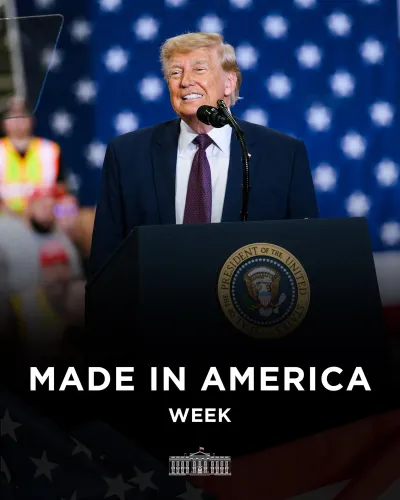
The White House on Wednesday, June 25, 2026, announced that President Donald J. Trump has revived the 'Made in America' manufacturing agenda, spotlighting a visit to Mack Trucks in Pennsylvania as a centrepiece of that effort.
Context
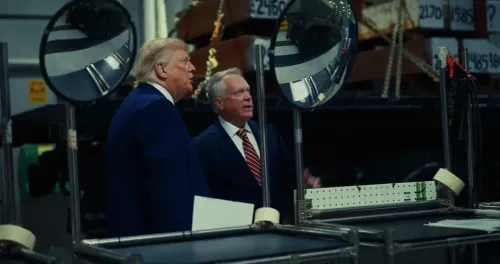
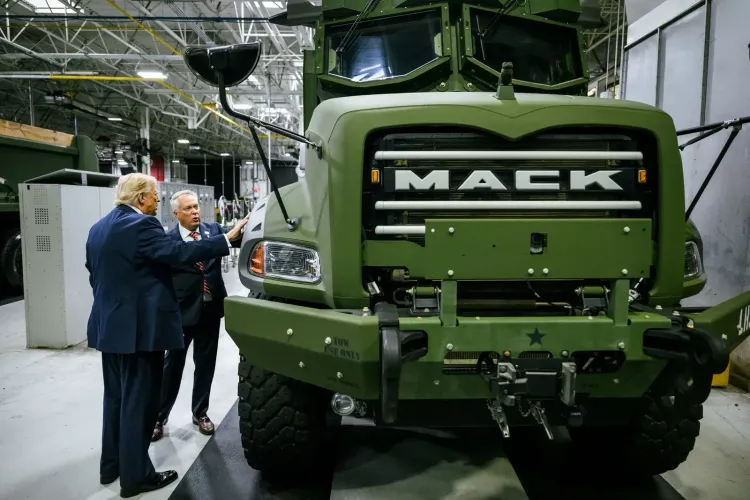
The White House posted on X declaring that 'President Donald J. Trump has brought back Made in America,' anchoring the message to Mack Trucks in Pennsylvania — one of the United States' most storied heavy-duty truck manufacturers. Mack Trucks, founded in 1900, has long been a symbol of American industrial heritage, with deep roots in Pennsylvania's manufacturing economy.
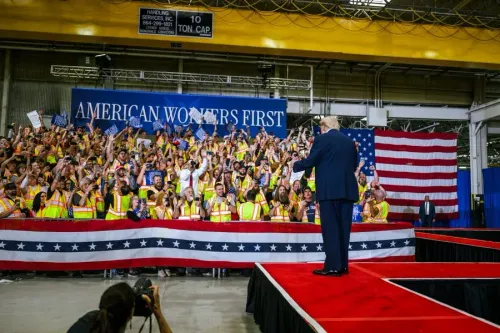
The post, accompanied by two images from the location, signals a high-profile public visit by the President to a working factory floor — a format that has become a signature of Trump's domestic manufacturing outreach.
Policy Backdrop
Trump's 'Made in America' messaging is rooted in a policy architecture that dates to his first term. In 2017, he signed Executive Order 13788, directing federal agencies to strengthen 'Buy American' procurement rules that favour domestically produced goods and materials.
The broader strategy has included trade renegotiations — most notably replacing NAFTA with the USMCA — and the use of tariffs to discourage reliance on foreign supply chains in sectors such as vehicles and heavy equipment. The Pennsylvania visit fits squarely within this pattern of using factory appearances to reinforce reshoring narratives.
Pennsylvania itself carries political weight: the state's industrial heartland has been a key battleground, and visits to facilities like Mack Trucks are aimed at underscoring commitments to manufacturing workers and blue-collar communities.
Stakeholders and Impact
Manufacturing workers and the broader truck industry stand as the primary stakeholders in this messaging. Mack Trucks employs workers across its Pennsylvania operations, and any federal procurement or trade policy shifts that favour domestic heavy-vehicle production would directly affect their livelihoods.
For the truck and automotive supply chain, heightened 'Buy American' requirements could reshape procurement decisions across federal agencies that purchase heavy equipment — from defence logistics to infrastructure projects. The ripple effect extends to component suppliers, steel producers, and ancillary manufacturers tied to the heavy-vehicle sector.
From an Indian trade perspective, any tightening of US import rules on automotive components or heavy equipment could affect Indian auto-parts exporters who supply into the American market.
What's Next
Observers will watch for follow-on executive orders that could expand 'Buy American' thresholds or introduce new trade actions targeting imported components used in the automotive and heavy-equipment sectors. The Mack Trucks visit may also precede formal policy announcements tied to domestic manufacturing incentives or federal fleet procurement rules.
As the Trump administration continues to frame industrial revival as a cornerstone of its economic agenda, visits like this one are likely to be accompanied by legislative or regulatory moves in the weeks ahead — making Pennsylvania a bellwether for the administration's manufacturing policy direction.
Frequently Asked Questions
What is Trump's Made in America policy?
Trump's 'Made in America' policy refers to a suite of measures — including Executive Order 13788 from 2017 , Buy American procurement rules, and tariffs — designed to encourage domestic production and reduce US reliance on foreign supply chains, particularly in manufacturing sectors like vehicles and heavy equipment.
Why did Trump visit Mack Trucks in Pennsylvania?
The White House used the Mack Trucks visit in Pennsylvania to highlight President Trump's 'Made in America' agenda, with the iconic heavy-truck manufacturer serving as a symbol of American industrial heritage and blue-collar employment.
What is Mack Trucks and where is it based?
Mack Trucks is an American heavy-duty truck manufacturer founded in 1900 , with longstanding production facilities in Pennsylvania . It is one of the most recognised names in US commercial trucking.
How does Trump's Buy American policy affect India?
Stricter Buy American rules and tariffs on imported automotive components could affect Indian auto-parts exporters who supply into the US market, potentially reducing their access to American procurement contracts or raising costs for US buyers of Indian-made components.
What could come next after Trump's Mack Trucks visit?
Analysts are watching for follow-on executive orders expanding Buy American procurement thresholds, new trade actions on imported vehicle components, or formal policy announcements tied to federal fleet purchasing — any of which could follow high-profile factory visits like the one at Mack Trucks .