Trump DOJ sues Ohio court over courthouse immigration arrest ban
Synopsis
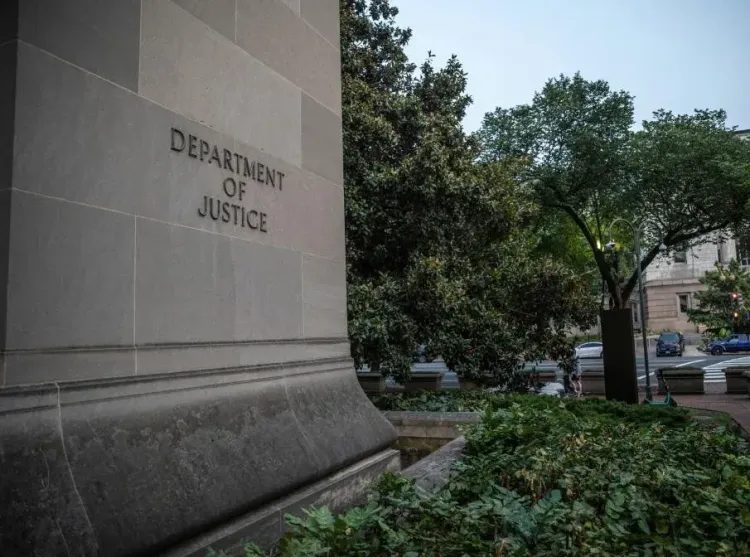
The Trump Justice Department has taken an Ohio municipal court to court — literally. By suing Franklin County over a rule that bars federal immigration arrests at its courthouse, Washington is sending a clear message: no local institution, not even a judge's bench, is off-limits in its enforcement campaign. With similar suits already filed in seven other jurisdictions, this is a coordinated legal offensive, not a one-off.
Key Takeaways
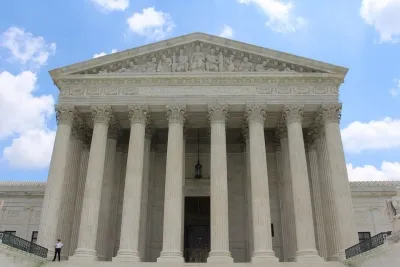
The US Justice Department sued the Franklin County Municipal Court in Columbus, Ohio on Tuesday over Rule 2.10 , which bars federal immigration arrests at or near the courthouse.
The rule also threatens criminal and civil penalties for violations, according to the department.
Associate Attorney General Stanley E.
Woodward Jr and Assistant Attorney General Brett A.
Shumate both condemned the rule as an obstruction of federal law enforcement.
Federal authorities argue courthouse arrests are safer because visitors undergo security screening before entry.
The Ohio suit is part of a broader campaign targeting similar policies in New York, Virginia, Connecticut, New Jersey, California, Milwaukee, and Philadelphia .
Attorney General Todd Blanche has directed the Civil Division to identify and challenge all such local policies nationwide.
The US Justice Department on Tuesday filed a lawsuit against the Franklin County Municipal Court in Columbus, Ohio, challenging a local rule that prohibits federal authorities from arresting immigrants at or near its courthouse premises. The suit marks a sharp escalation in the Trump administration's ongoing confrontation with local institutions that have moved to limit immigration enforcement on their turf.
What the Lawsuit Targets
The Justice Department is challenging Rule 2.10, which it says bars federal officers from detaining immigrants at or around the Franklin County courthouse. The rule also reportedly imposes criminal and civil penalties on those who violate it, according to the department's statement.
Named as defendants are the court itself, its administrative and presiding judge, and the court's director of security. The department described the measure as an unlawful attempt by a local court to regulate the activities of the federal government.
What the Government Said
Associate Attorney General Stanley E. Woodward Jr said in a statement: 'Today the Department sued yet another local entity that seeks to thwart the will of Congress by regulating when and where Federal law enforcement does its job, all in the name of protecting criminal aliens who violate our Nation's laws.'
'No more. This Department of Justice will not sit idly by while state and local government seek to undermine federal immigration enforcement,' Woodward added.
Assistant Attorney General Brett A. Shumate of the Justice Department's Civil Division said the rule 'obstructs federal law enforcement and facilitates evasion of federal law by dangerous criminal aliens, despite Congress's direction that federal agents detain and remove them.' Shumate noted that federal agents had routinely conducted arrests safely at courthouses across the country, including at the Franklin County Municipal Court.
Why Courthouses Matter for Federal Enforcement
Federal authorities argue that courthouse arrests carry distinct operational advantages: visitors typically undergo security screening before entering, reducing risk to officers, the public, and those being detained. Such locations also reduce the likelihood that a person will flee, according to the department's filing.
The Justice Department did not, however, identify specific immigrants whose arrests had allegedly been blocked by Rule 2.10. Its statement also did not include any response from the municipal court or the officials named in the suit.
Part of a Broader Legal Campaign
The Ohio lawsuit is the latest in a widening series of federal legal actions against state and local immigration policies. Attorney General Todd Blanche has directed the Civil Division to identify laws, policies, and practices that the administration believes obstruct lawful federal operations.
Similar suits have already been filed against jurisdictions including New York, Virginia, Connecticut, New Jersey, California, Milwaukee, and Philadelphia, according to the department. This comes amid a broader federal push to dismantle so-called sanctuary policies that limit cooperation with immigration authorities.
What Happens Next
The Franklin County Municipal Court has not yet publicly responded to the suit. Legal observers will be watching whether the court defends Rule 2.10 as a matter of judicial independence or moves to modify it under federal pressure. A ruling in this case could set a precedent affecting courthouse arrest policies in other jurisdictions facing similar federal scrutiny.
Point of View
Not proven obstruction. If courts begin ruling on the merits, the administration's broad claim of federal supremacy over courthouse premises will face serious Fourth and Tenth Amendment scrutiny that its press statements do not acknowledge.
NationPress
10 Oct 2026
Frequently Asked Questions
Why did the US Justice Department sue the Franklin County Municipal Court in Ohio?
The Justice Department sued the Franklin County Municipal Court over Rule 2.10, which prohibits federal authorities from arresting immigrants at or near the courthouse. The department argues the rule unlawfully restricts federal immigration enforcement and conflicts with Congressional authority over immigration law.
What is Rule 2.10 at the Franklin County Municipal Court?
Rule 2.10 is a local court rule that bars federal officers from detaining immigrants at or around the Franklin County courthouse in Columbus, Ohio. It reportedly also imposes criminal and civil penalties on those who violate it, according to the Justice Department's statement.
Who is named in the Justice Department's lawsuit against the Ohio court?
The lawsuit names the Franklin County Municipal Court itself, its administrative and presiding judge, and the court's director of security as defendants.
Is this the first time the Trump administration has sued a local institution over immigration enforcement?
No. The Franklin County suit is the latest in a series of similar federal lawsuits targeting local policies in New York, Virginia, Connecticut, New Jersey, California, Milwaukee, and Philadelphia, according to the Justice Department.
Why does the federal government prefer making immigration arrests at courthouses?
Federal authorities argue that courthouse arrests are operationally safer because visitors typically undergo security screening before entering. They also reduce the risk of a person fleeing, according to the Justice Department's filing.