Trump proclaims Made in America Week, touts 900,000 jobs and reshoring wave
Synopsis
Trump's Made in America Week proclamation is more than a symbolic gesture — it packages a sweeping set of claims: 900,000 jobs added, trillions in corporate investment, and manufacturing employment growing for the first time in three years. With tariffs, tax cuts, and federal procurement all marshalled in support, the administration is betting its economic legacy on a reshoring narrative that independent economists are still scrutinising.
Key Takeaways
President Donald Trump proclaimed 19–25 July 2026 as Made in America Week via a presidential proclamation issued on Monday.
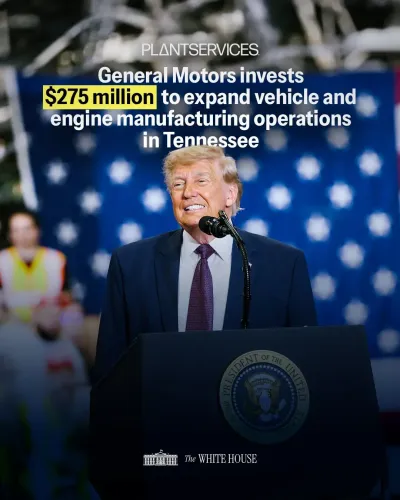
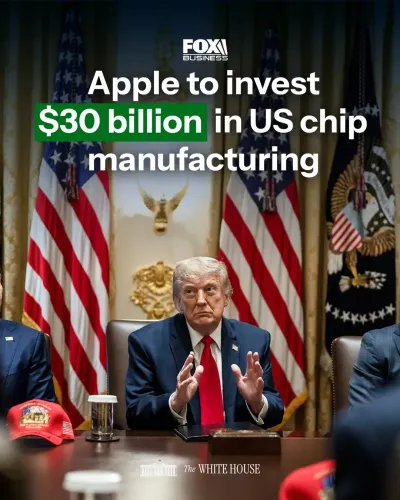
Trump claimed his trade policies have generated over 900,000 American jobs and attracted trillions in corporate investment.
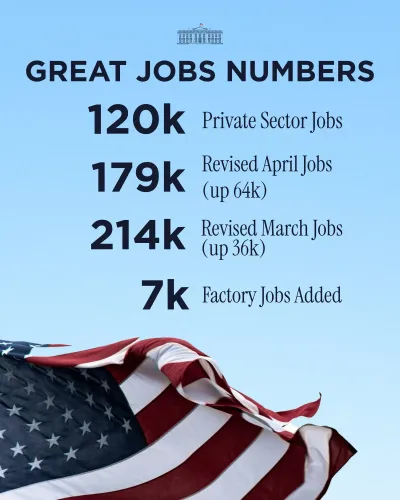
US manufacturing reportedly added jobs in the first quarter of 2026 for the first time in three years , according to the proclamation.
An Executive Order mandates truthful 'Made in the U.S.A.' advertising; all federal agencies have been directed to buy American-made goods.
The Working Families Tax Cuts Act permanently extends a 20 per cent Small Business Tax Deduction, projected to yield $750 billion in growth and over 1 million jobs.
Manufacturers are offered 100 per cent expensing for new factories, equipment, and R&D under current administration policy.
US President Donald Trump has officially proclaimed 19–25 July 2026 as 'Made in America Week', renewing his administration's drive to revive domestic manufacturing, promote American-made goods, and defend trade policies aimed at returning factories and jobs to the United States. The proclamation, issued on Monday, frames the week as both a celebration of American industrial heritage and a marker of what Trump describes as a historic reshoring wave.
What the Proclamation Says
In the presidential proclamation, Trump characterised American manufacturing as the bedrock of the country's economic strength, arguing that prior trade policies had hollowed out the industrial base over decades. 'Decades of disastrous trade policies surrendered our industrial strength to foreign nations in the name of producing cheaper goods — undercutting our workers, hollowing out our manufacturing base, and weakening our national security,' he said.
Trump also directed pointed criticism at federal policymakers, asserting that 'Washington bureaucrats have sold out American workers in exchange for cheap foreign labour.' The proclamation signals a continuation of the protectionist economic posture that has defined Trump's trade agenda across both his terms in office.
Jobs and Reshoring Claims
Trump claimed his administration's trade deals had already produced measurable results, stating that companies are 'investing trillions of dollars into our economy and adding over 900,000 American jobs.' He also cited first-quarter 2026 data, saying American manufacturing added jobs for the first time in three years — a development he called 'a powerful sign that a new Golden Age of American industrial might has only just begun.'
These figures have not been independently verified in the proclamation text, and the administration did not specify which trade deals or sectors account for the job additions.
Policy Measures Highlighted
The proclamation referenced several concrete policy steps. Trump said he had signed an Executive Order requiring 'truthful advertising of products claiming to be Made in the U.S.A.' and had directed all federal agencies to procure American-made goods exclusively.
He also cited the Working Families Tax Cuts Act, which permanently extends the 20 per cent Small Business Tax Deduction, projecting it would generate '$750 billion in economic growth and create over 1 million Main Street jobs.' Additionally, the administration is offering 100 per cent expensing for new factories, equipment improvements, and research and development, alongside regulatory rollbacks the President said had previously constrained manufacturers.
Broader Context
'Made in America' has been a signature theme of Trump's economic platform since his first term, anchored in reshoring manufacturing, reducing import dependence, and leveraging tariffs, tax incentives, and federal procurement rules to tilt production back toward domestic suppliers. This year's proclamation continues that tradition but arrives amid heightened global trade tensions and ongoing debates about the actual pace and scale of factory returns to the US.
Notably, independent economists have cautioned that reshoring trends, while real in select sectors, remain uneven across industries, and that tariff-driven cost increases can offset some of the gains for consumers and downstream manufacturers.
What Comes Next
The week-long observance runs through 25 July 2026, with the administration expected to use the period to amplify messaging around domestic production and trade policy. Industry groups and state governments are likely to hold parallel events spotlighting American manufacturers. Whether the proclaimed jobs and investment figures will be substantiated by forthcoming official data will be closely watched by economists and political observers alike.
Point of View
000-jobs figure and 'greatest reshoring wave in history' framing are unverified in the proclamation itself, and the administration's habit of bundling announced investments with actual job creation has drawn scrutiny from independent economists before. The first-quarter 2026 manufacturing jobs uptick is a real data point, but one quarter does not confirm a structural reversal of decades of deindustrialisation. The more durable question is whether tariff-led reshoring produces broadly shared wage gains or simply shifts cost burdens onto consumers and downstream industries — something the proclamation does not address.
NationPress
21 Jul 2026
Frequently Asked Questions
What is Made in America Week 2026?
Made in America Week is a presidential proclamation designating 19–25 July 2026 as a period to celebrate domestic manufacturing and American-made products. President Trump used the occasion to highlight his administration's trade and tax policies aimed at reviving US industrial output.
How many jobs does Trump claim his trade policies have created?
Trump's proclamation states that his administration's trade deals have added over 900,000 American jobs and attracted trillions of dollars in corporate investment. These figures have not been independently verified and were not broken down by sector or deal in the proclamation text.
What policy measures are tied to Made in America Week?
Key measures include an Executive Order on truthful 'Made in the U.S.A.' labelling, a federal mandate to purchase American-made goods, the Working Families Tax Cuts Act extending a 20 per cent Small Business Tax Deduction, and 100 per cent expensing for new factories and R&D.
What is the Working Families Tax Cuts Act mentioned in the proclamation?
The Working Families Tax Cuts Act permanently extends the 20 per cent Small Business Tax Deduction. Trump's proclamation projects it will generate $750 billion in economic growth and create more than 1 million jobs on Main Street.
Has US manufacturing actually grown under Trump's second term?
According to the proclamation, American manufacturing added jobs in the first quarter of 2026 for the first time in three years. Independent economists, however, caution that reshoring trends remain uneven across sectors and that tariff-driven cost increases can partially offset manufacturing gains.