Trump Meets Egypt's Sisi, Flags Trade and Strong Bilateral Ties
Synopsis
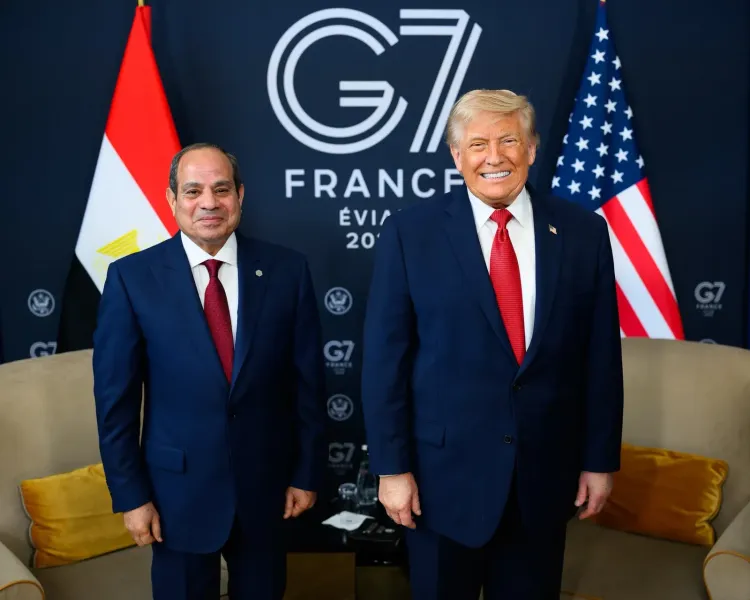
US President Donald Trump met Egyptian President Abdel Fattah el-Sisi on 18 June 2026, reaffirming strong bilateral ties and signalling trade discussions. The meeting builds on decades of US-Egypt strategic cooperation rooted in the 1979 Camp David Accords, with Trump publicly citing robust commerce between the two nations.
Key Takeaways
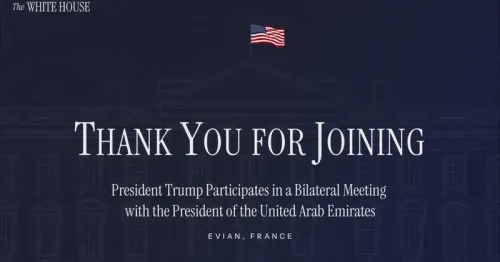
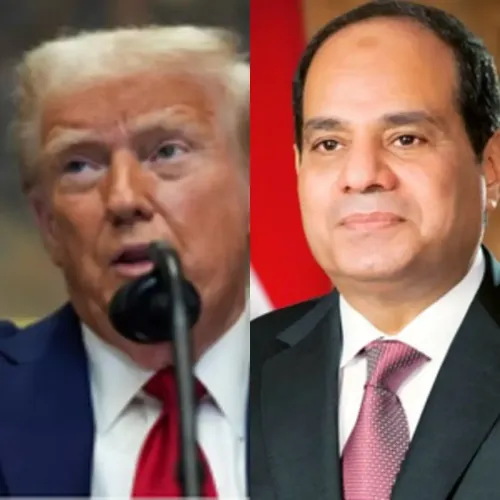
President Trump met Egyptian President Abdel Fattah el-Sisi on 18 June 2026 , with the White House announcing the bilateral engagement.
Trump stated the two nations have had 'a very strong' relationship 'for a long time' and highlighted significant bilateral trade.
Egypt is a major non-NATO US ally; the US has provided over $50 billion in cumulative military and economic aid since the 1979 Camp David Accords .
Egypt 's control of the Suez Canal makes it a critical node in global trade and a strategic priority for Washington .
The meeting is expected to cover trade, with possible follow-up announcements on defence agreements or regional economic initiatives.
Trump first hosted Sisi at the White House in 2017 , making this a continuation of a long-running leadership-level engagement.
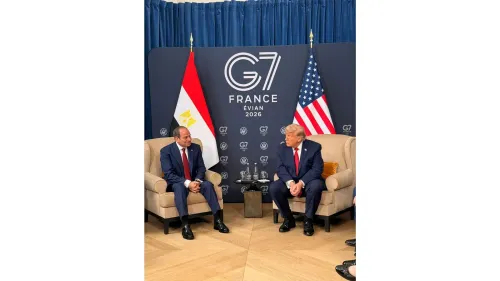
US President Donald Trump met with Egyptian President Abdel Fattah el-Sisi on Wednesday, 18 June 2026, with the White House announcing the bilateral engagement and highlighting the depth of the two nations' relationship. Trump underscored the meeting's broad agenda, citing trade and longstanding cooperation between Washington and Cairo.
Speaking at the meeting, Trump said, 'Our relationship has been very strong for a long time. We'll discuss many things, including trade. We do a lot of business with Egypt.' The remarks signal a renewed emphasis on economic ties alongside the security partnership that has historically defined the US-Egypt relationship.
Context
Egypt is a major non-NATO ally of the United States and has received substantial American support rooted in the 1979 Camp David Accords and the Egypt-Israel peace treaty signed that same year. Since those agreements, the US has provided Egypt with over $50 billion in cumulative military and economic assistance. President Sisi has led Egypt since 2014 and has maintained close ties with successive American administrations.
This is not the first time the two leaders have engaged directly. During Trump's first term in 2017, President Sisi was among the first foreign leaders hosted at the White House, with discussions then centred on counterterrorism and regional stability. The current meeting appears to expand that agenda to include bilateral trade.
Policy Backdrop
US-Egypt trade spans several strategic sectors, including energy, agriculture, and defence equipment. Egypt's control of the Suez Canal — one of the world's most critical maritime trade corridors — gives Cairo outsized importance in global supply chains and in American strategic calculations. Any disruption or facilitation of Suez traffic carries significant implications for US exporters and importers alike.
Under Trump, trade diplomacy has tended to favour bilateral, reciprocal frameworks over multilateral arrangements. His reference to doing 'a lot of business with Egypt' fits a pattern of framing foreign policy engagements in transactional, commerce-forward terms. Egypt has simultaneously been managing its relationships with Russia and China, making American engagement a counterbalancing priority for Cairo.
Stakeholders and Impact
American exporters — particularly in the agriculture and defence sectors — stand to benefit from any enhanced trade framework that emerges from this engagement. For Egypt, deeper economic ties with Washington provide both investment potential and diplomatic cover as the country navigates regional tensions and domestic economic pressures. The Egyptian military, a dominant economic actor within the country, is also a key stakeholder in any defence-linked trade discussions.
For India, the meeting carries indirect relevance: Egypt is an important partner in the Indian Ocean region, and shifts in US-Egypt trade and security arrangements can affect regional dynamics, Suez-linked shipping costs, and the broader balance of great-power competition in West Asia and North Africa.
What's Next
Observers will watch for any follow-up announcements on bilateral trade targets, new defence agreements, or Egypt's potential participation in US-led regional economic initiatives. The tone set by Trump's public remarks — emphasising strength, longevity, and commerce — suggests the two sides are keen to project unity. Whether the meeting produces concrete deliverables or remains a high-level affirmation of ties will become clearer in the days ahead.
Point of View
Anchored by security imperatives and the Camp David framework. Trump's explicit mention of trade — rather than the usual counterterrorism framing — suggests a deliberate pivot toward economic deliverables, consistent with his transactional approach to foreign policy. For Egypt, the optics of a warm White House engagement serve as a diplomatic asset as Cairo manages competing pressures from Moscow and Beijing. The meeting's real significance will be measured by whether it produces tangible trade or defence commitments, or remains a high-visibility signal of alignment.
NationPress
20 Sept 2026
Frequently Asked Questions
Why did Trump meet Egypt's President Sisi in June 2026?
The White House announced the meeting on 18 June 2026 to discuss bilateral relations and trade, with Trump publicly emphasising the long-standing strength of the US-Egypt partnership.
What is the relationship between the US and Egypt?
The US and Egypt have been close strategic partners since the 1979 Camp David Accords, with the US providing over $50 billion in cumulative military and economic aid. Egypt is designated a major non-NATO ally.
What trade does the US do with Egypt?
US-Egypt trade spans sectors including energy, agriculture, and defence equipment. Egypt's control of the Suez Canal also makes it a critical partner for global maritime commerce affecting American supply chains.
Who is Abdel Fattah el-Sisi?
Abdel Fattah el-Sisi has been President of Egypt since 2014, following the military ouster of Mohamed Morsi in 2013. He has maintained close ties with successive US administrations, including Trump's first term starting in 2017.
What could come out of the Trump-Sisi meeting?
Analysts are watching for announcements on bilateral trade targets, new defence agreements, or Egyptian participation in US-led regional economic initiatives following the June 2026 meeting.