Trump Meets Zelenskyy, Calls It 'Great Honor'
Synopsis
President Donald Trump met Ukrainian President Volodymyr Zelenskyy on July 29, 2026, with the White House calling it a 'great honor' and saying the meeting went 'very well' — releasing no details on agenda or outcomes.
Key Takeaways
President Trump met Ukrainian President Zelenskyy on July 29, 2026 , confirmed by an official White House post on X.
The White House described the meeting as a 'great honor' and said it 'went very well,' but released no specific details on topics discussed.
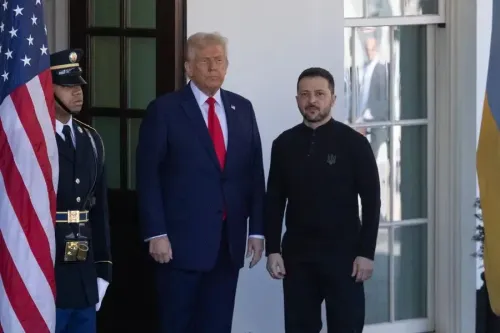
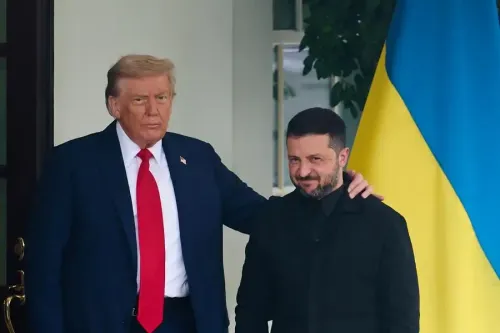
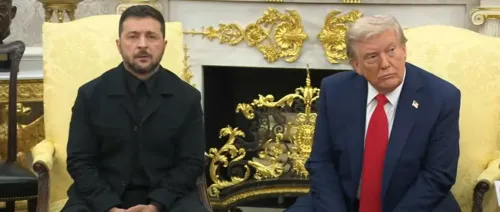
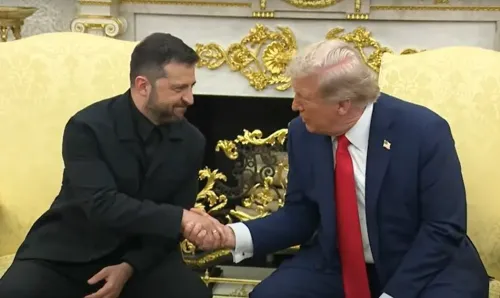
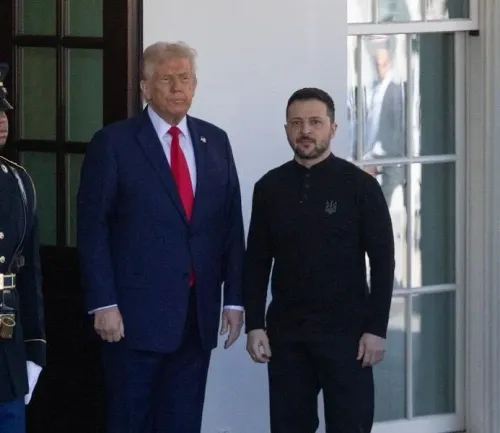
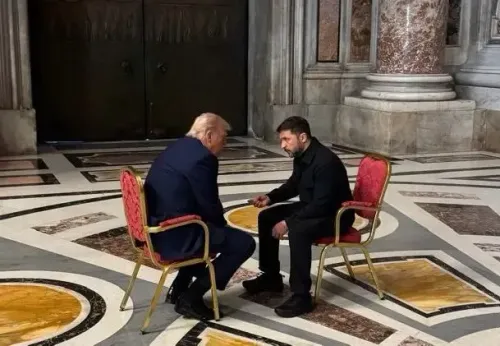
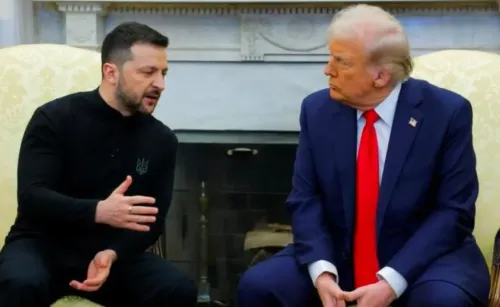
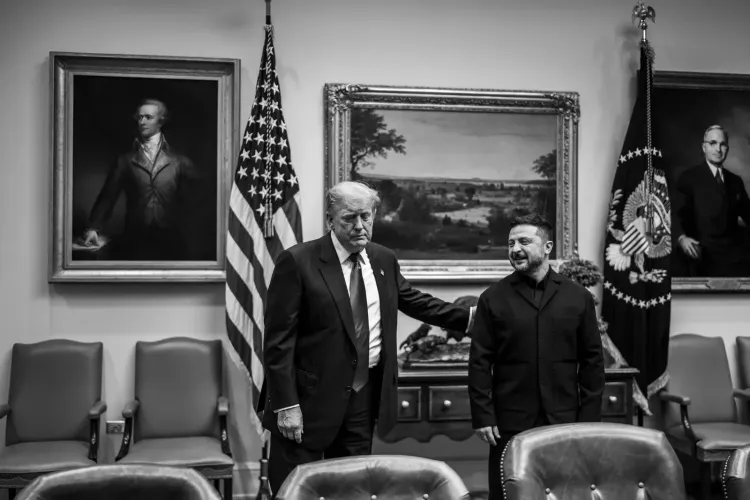
Two images were released alongside the announcement; no video or joint statement was published.
Trump's history with Zelenskyy includes a 2019 phone call that triggered his first impeachment and a 2017 decision to supply Ukraine with Javelin anti-tank missiles .
No commitments on military aid, security guarantees, or multilateral formats were made public in the readout.
A face-to-face between two of the world's most consequential leaders just took place — and the White House says it went 'very well.' President Donald J. Trump met with Ukrainian President Volodymyr Zelenskyy on Wednesday, July 29, 2026, with the White House describing the encounter as a 'great honor' and confirming that 'many things were discussed.'
What the White House said — and what it didn't
The official readout, posted on X by @WhiteHouse, was deliberately spare: 'Great Honor to meet with President Zelenskyy of Ukraine. Many things were discussed. The meeting went very well!' No agenda items, no joint statement, no specifics on aid or security commitments were made public in the post. Two images accompanied the announcement, but no video.
That brevity is itself a signal. High-stakes US-Ukraine meetings have historically been followed by detailed readouts on weapons packages, diplomatic frameworks, or multilateral coordination — when leaders want those details known. When they don't, the silence speaks.
The weight behind a Trump-Zelenskyy handshake
Zelenskyy has been the defining face of Ukrainian resistance since Russia's full-scale invasion in February 2022. His relationship with Washington has been the single most critical bilateral thread in the war's trajectory — every US administration change reshaping the terms of that relationship almost immediately.
Trump's own history with Zelenskyy is layered. A 2019 phone call between the two leaders triggered Trump's first impeachment proceedings, centred on allegations that US military aid was conditioned on Ukraine opening investigations into political rivals. Trump's first term (2017-2021) did see the approval of Javelin anti-tank missiles for Kyiv — a significant break from the Obama-era policy of supplying only non-lethal equipment.
The broader pattern of presidential-level US-Ukraine summits is well established: they move markets, shift battlefield calculus, and send signals to Moscow that no communiqué can fully obscure. A meeting described as going 'very well' — whatever was actually said inside the room — lands differently in Kyiv, Brussels, and the Kremlin.
What to watch next
Follow-on statements from either government, any scheduled appearances at NATO or G7 formats, and whether a joint press conference or formal communiqué materialises will determine how much of this meeting's substance becomes public. Until then, the White House has given the world exactly one sentence of substance — and left the rest to inference.
In the diplomacy of a live war, a warm meeting with no announced outcomes is its own kind of news.
Point of View
Leaving allies and adversaries alike to read the tea leaves. For Trump, a warm bilateral with Zelenskyy signals continued US engagement with Kyiv, but the lack of announced commitments preserves maximum negotiating flexibility. From an Indian foreign-policy lens, any shift in US-Ukraine military or diplomatic posture directly affects the broader Russia-West equilibrium that shapes India's own strategic balancing act. The next 48 hours of follow-on statements — or their absence — will tell the real story.
NationPress
27 Oct 2026
Frequently Asked Questions
Did Trump meet Zelenskyy in July 2026?
Yes. The White House confirmed on July 29, 2026 that President Trump met Ukrainian President Zelenskyy , describing it as a 'great honor' and saying the meeting 'went very well.'
What was discussed in the Trump-Zelenskyy meeting?
The White House said only that 'many things were discussed' and did not release a detailed agenda, joint statement, or specifics on military aid or security commitments.
What is the history between Trump and Zelenskyy?
A 2019 phone call between Trump and Zelenskyy led to Trump's first impeachment proceedings. During Trump's first term, the US approved Javelin anti-tank missiles for Ukraine in 2017 .
Will there be a joint statement after the Trump-Zelenskyy meeting?
No joint statement was released alongside the White House post. Follow-on statements, press conferences, or announcements tied to NATO or G7 formats may follow.
Why does the Trump-Zelenskyy meeting matter for India?
Any significant shift in US-Ukraine diplomacy or military commitments affects the broader Russia-West balance of power, which directly influences India's strategic and economic relationships with both Moscow and Washington.